QR Code Yard Sign Campaigns as a Service
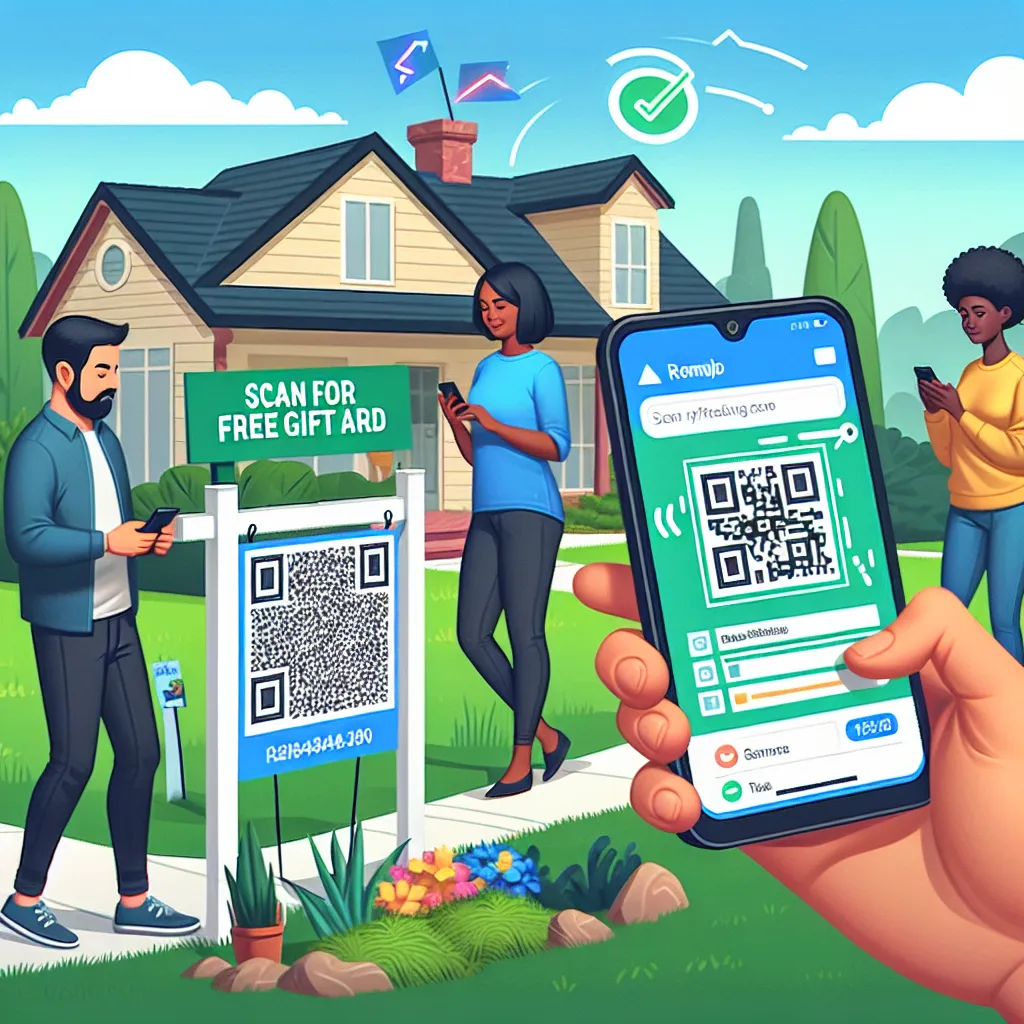
Local home service businesses often lack engaging, trackable ways to generate leads from offline exposure, like yard signs. A startup could offer a turnkey solution that designs, prints, and manages QR-code-based yard signs with built-in lead capture and prize incentives. This helps businesses transform passive signage into interactive marketing funnels, capturing emails and phone numbers for follow-up. With QR code engagement growing and smartphones ubiquitous, this method blends curiosity-driven interaction with tangible conversion. For example, a landscaping company could place a "Scan for a Free Gift Card" sign on a client’s lawn, and your service would track who scanned, entered their info, and followed up—while automating the entire process for the landscaper.
Description
No additional description provided.
The Pitch
Imagine small local home service businesses striving to enhance their reach and convert casual observers into potential clients. Many of these businesses, whether they are landscaping companies, painters, or cleaning services, rely on physical signs like yard signs to market their offerings. However, traditional yard signs are typically passive tools that do not provide a way to engage potential customers directly or track campaign effectiveness.
This scenario presents a significant problem: how can these businesses turn passive, offline marketing efforts into dynamic, interactive, and trackable lead-generation tools? Businesses need a more engaging way to gather customer information and encourage interactions, moving beyond reliance on static advertising methods.
A promising solution involves leveraging QR-code technology to transform ordinary yard signs into interactive marketing funnels. A startup could develop a comprehensive solution that includes the design, printing, and management of QR-code-enhanced yard signs. These signs would be equipped with lead capture capabilities and feature enticing prize incentives to motivate interaction.
With the growing acceptance and use of QR codes and smartphones, this approach taps into user curiosity and the appeal of potential rewards to drive engagement. For instance, a landscaping company could use a sign stating, Scan for a Free Gift Card placed on a serviced lawn. By scanning the code, potential customers could submit their contact details, allowing the service to track engagement, gather leads, and automatically follow up.
The product would include:
1. Customized design and printing of yard signs specifically tailored with QR codes. 2. Integration of lead capture forms linked to the QR codes. 3. Backend analytics to track QR code scans, conversion rates, and follow-up actions. 4. Automated follow-up systems that could potentially manage email marketing campaigns or SMS outreach. 5. An incentive management system that delivers digital rewards or helps businesses administer physical incentives.
To build and launch this minimum viable product (MVP), the following tools and platforms can support development and execution:
1. Design software, like Canva or Adobe Illustrator, for creating sign graphics. 2. QR code generation and management tools, such as QR Code Generator or Scanova. 3. Customer relationship management (CRM) systems like HubSpot or Mailchimp for managing leads and follow-ups. 4. Analytics tools like Google Analytics to track performance metrics. 5. Print-on-demand services for efficient and scalable production of signs.
For the go-to-market (GTM) strategy, targeting channels where small business owners look for marketing improvements would be critical. Tactics could include:
1. Partnering with local business associations or chambers of commerce to reach potential clients. 2. Social media marketing targeting service-based business owners. 3. Offering free trials or demonstrations to illustrate the effectiveness of interactive signs. 4. Content marketing, such as blog posts and webinars, explaining the benefits and use cases of QR-code marketing in offline settings. 5. Participating in local trade shows or conferences attended by target customers.
The business model could operate on a subscription basis, charging businesses a monthly fee to manage their interactive signage needs and provide ongoing analytics and support. Alternatively, a one-time purchase model with optional monthly analytics and follow-up service add-ons could be offered. This ensures flexibility for businesses of all sizes and varying marketing budgets.
This innovative approach offers a new dimension to traditional yard signs, turning them into data-rich marketing tools that drive engagement, capture vital customer information, and provide measurable results for service businesses.