ProofTag: Verified Sustainability Scores Simplify Shopping
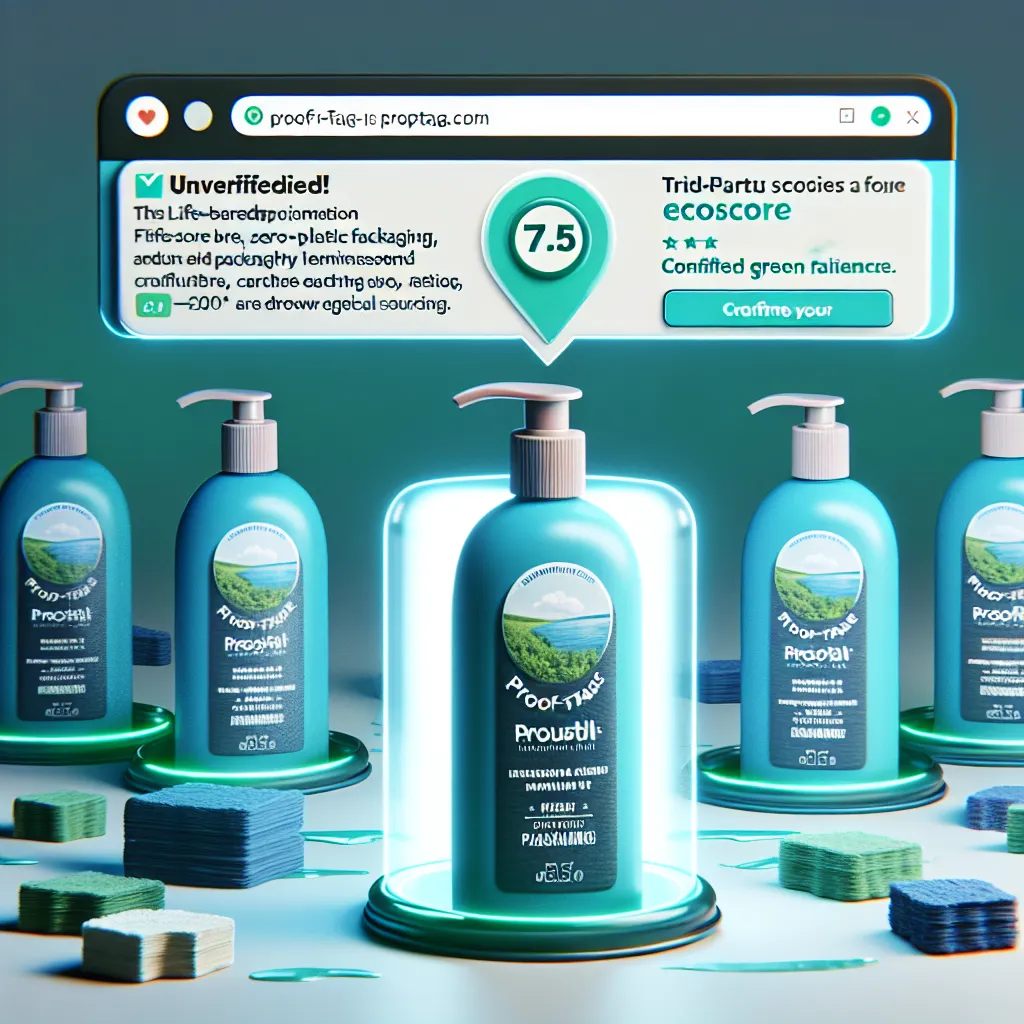
Shoppers care about sustainability but are losing trust in vague or inflated claims. McKinsey highlights “green fatigue” and rising consumer skepticism about ‘ethical’ branding. ProofTag is a browser extension that adds a verified sustainability layer to any product page online. It displays third-party scores for things like lifecycle emissions, packaging waste, and ethical sourcing, cutting through greenwashing with real data. A user shopping for shampoo might see two nearly identical products—one with a 7.5 EcoScore for zero-plastic packaging and verified cruelty-free status, the other flagged as “unverified” or low-score. This helps buyers make decisions based on truth, not marketing spin.
Description
No additional description provided.
The Pitch
Sustainability is increasingly becoming a priority for consumers, many of whom wish to make environmentally conscious purchases. However, the authenticity of sustainability claims made by brands often comes under scrutiny. Recent trends highlight that consumers face green fatigue, a phenomenon where they become skeptical of ethical branding, fearing that some claims could be overstated or misleading. This skepticism underscores a growing need for transparency and verification of sustainability claims.
Backstory
In today's digital marketplace, consumers are bombarded with product choices, each claiming various degrees of sustainability. Despite earnest intentions, many shoppers find it challenging to differentiate between genuinely sustainable options and those that merely employ green marketing tactics.
Traditionally, companies have marketed their products using terms like eco-friendly, biodegradable, and ethical sourcing. Yet, without standardized verification, these claims often fall into an ethical gray area, leaving consumers confused and sometimes disillusioned.
Problem
The main issue lies in the lack of a unified, transparent mechanism that verifies sustainability claims across various online shopping platforms. Consumers want to support sustainable practices, but they need clear, trustworthy data to guide their purchasing decisions. This gap makes it difficult for shoppers to discern between products that truly meet specific environmental and ethical standards and those that do not.
Solution
Introducing ProofTag, a browser extension designed to add a verified sustainability layer to any product page online. This tool will aggregate third-party scores that assess various sustainability metrics, such as lifecycle emissions, packaging waste, and ethical sourcing, directly on product pages during the shopping process.
Product Details
ProofTag will operate as a browser extension compatible with popular web browsers like Chrome, Firefox, and Safari. It will integrate seamlessly with e-commerce platforms, allowing users to access detailed sustainability scores of products without navigating away from the product page.
Key Features: - Sustainability Scores: Display of comprehensive sustainability scores, sourced from trusted third-party organizations, for parameters such as emissions and ethical sourcing. - Verified and Unverified Tags: Clear labels indicating if a product has been verified or flagged for unverified claims. - User Interface: An intuitive design that fits into existing e-commerce layouts, ensuring minimal disruption to the shopping experience. - Secure Data: Use of secure APIs to gather and present data, ensuring user privacy and data accuracy.
Tools for MVP Launch
To efficiently develop and launch ProofTag as a Minimum Viable Product (MVP), consider utilizing the following tools and technologies:
- Browser Extension Frameworks: Use frameworks and libraries specifically designed for developing browser extensions, such as Mozilla's WebExtensions API. - API Integration: Establish partnerships with leading sustainability verification agencies to access their data via APIs. - User Interface Design: Leverage tools like Figma or Sketch for designing a user-friendly interface. - Analytics: Implement analytics tools like Google Analytics or Mixpanel to track user interactions and gather insights for future improvements. - Cloud Hosting: Use services like AWS or Google Cloud to ensure scalable and secure data processing and storage.
Go-to-Market Strategy
To effectively bring ProofTag to market, a strategic approach will involve:
1. Targeted Outreach: Collaborate with e-commerce platforms and sustainability-focused organizations to promote the extension. 2. Influencer Partnerships: Engage with sustainability influencers to drive awareness and credibility. 3. Educational Campaigns: Launch campaigns that educate consumers on the importance of third-party verification in sustainability claims. 4. Community Engagement: Build a community of eco-conscious shoppers through social media channels and provide value through content related to sustainable practices.
Business Model
ProofTag will follow a freemium business model. The basic version, offering essential sustainability scoring, will be available for free. Revenue will be generated through:
- Premium Subscriptions: Offering advanced features and additional insights for a monthly or annual fee. - B2B Partnerships: Providing detailed analytics and sustainability data to e-commerce platforms and brands looking to showcase their commitment to sustainability. - Advertising: Collaborations with verified sustainable brands for sponsored placements within the extension.
By addressing the critical need for transparency in sustainability claims, ProofTag positions itself as an essential tool for consumers eager to make informed, ethical purchasing decisions.