Prompt Reverse Engineering Marketplace
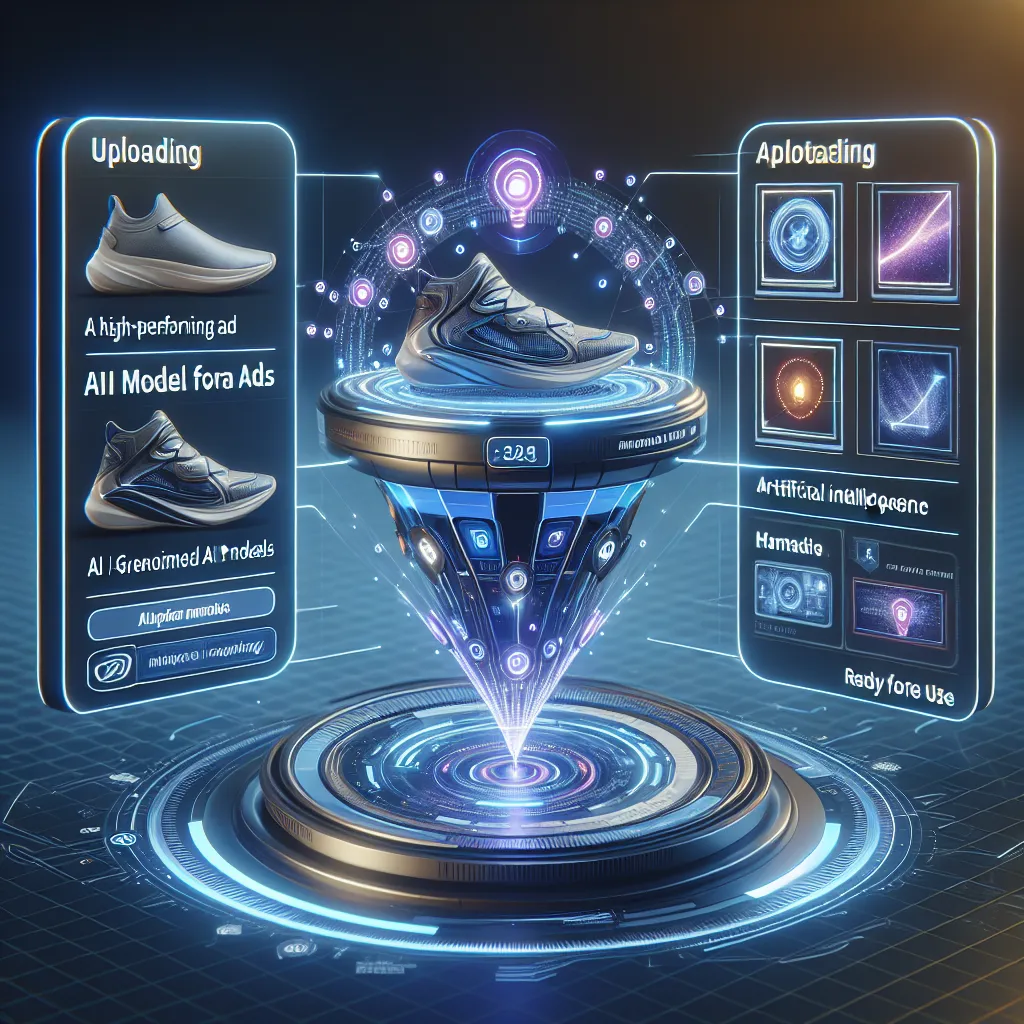
Most prompt-reverse tools are tech demos limited to single-model compatibility and vague results. Businesses and creators need precise, model-specific prompts to recreate compelling visual outputs—especially for paid ads. This platform would let users upload an image (e.g., high-performing Facebook ad), select a target model (e.g., Midjourney v6, DALL·E 3, SDXL), and receive optimized prompts tailored for that engine’s syntax and style. It could also A/B test output variations automatically. For example, a brand marketer uploads a competitor’s shoe ad, selects “SDXL for Meta Ads,” and receives a prompt + image variants optimized for mobile formats. This becomes a creative intelligence marketplace—blending visual analysis, prompt design, and AI marketing strategy. The core innovation: turning generic prompt extraction into commercial-grade, model-targeted prompt crafting for ad performance replication.
Description
No additional description provided.
The Pitch
Creating an effective platform for transforming visual content into tailored, model-specific prompts can revolutionize the way businesses and creators approach digital advertising. This document outlines the journey from concept to market strategy for a service designed to optimize advertising effectiveness through AI-generated content.
**Backstory** In today's digital ecosystem, visual content stands at the forefront of advertising strategies. However, a significant challenge arises when attempting to replicate the success of high-performing ads across different AI models. Current tools often fall short by providing generic prompts that lack precision and model specificity. Businesses and creators are left with trial-and-error methods to achieve the right output, leading to inefficiencies and missed opportunities.
**Problem** Despite advancements in AI technology, there remains a gap in extracting and refining model-specific prompts that accurately reproduce desired visual outputs, especially for targeted advertising campaigns. Existing tools are mainly limited to single-model compatibility and produce vague results, making them unsuitable for detailed performance replication in commercial settings. This challenge is particularly pronounced for businesses aiming to leverage AI-generated visuals for platforms like Facebook, Instagram, and other social media channels.
**Solution** The proposed platform addresses this gap by allowing users to upload an impactful visual (e.g., a successful Facebook ad), choose a target AI model (such as Midjourney v6, DALL·E 3, or SDXL), and receive a customized prompt tailored to that model’s syntax and style. By enabling precise prompt crafting, the platform ensures that the resulting images meet specific advertising objectives and formats.
**Product Details** 1. **User Interface**: An intuitive interface where users can easily upload images and select their target model. 2. **Model Selection**: A comprehensive list of popular AI models tailored for different platforms (social media, web ads, etc.). 3. **Prompt Optimization**: Algorithms that analyze the uploaded image and generate optimized prompts for the chosen model. 4. **A/B Testing**: Inclusion of an automatic system for generating image variations and testing their performance, allowing users to select the most effective ads. 5. **Reporting Dashboard**: Comprehensive analytics to highlight how different prompt variations perform across platforms.
**Tools for MVP Launch** 1. **Image Recognition API**: Implement services like AWS Rekognition or Google Vision AI for initial analysis. 2. **Prompt Generation Libraries**: Utilize existing libraries like OpenAI’s GPT or custom trained models to generate tailored prompts. 3. **Cloud Platforms**: AWS or Google Cloud can offer scalable resources for processing and storage. 4. **Frontend Framework**: Use React or Vue.js for building a user-friendly interface.
**Go-To-Market Strategy (GTM)** 1. **Target Audience**: Focus on digital marketers, advertising agencies, and small to mid-sized businesses that frequently use AI-generated content. 2. **Partnerships**: Collaborate with digital marketing firms and AI model developers to expand reach and credibility. 3. **Content Marketing**: Leverage blogs, webinars, and social media to educate potential users about the platform’s capabilities and advantages. 4. **Freemium Model**: Offer basic services for free to attract users, with premium features available under a subscription model.
**Business Model** 1. **Subscription Plans**: Tiered pricing based on the number of images processed and models accessed. 2. **Enterprise Solutions**: Custom offerings for large enterprises needing high-volume processing and advanced customization. 3. **Affiliate/Referral Programs**: Encourage existing users to refer new customers with discounts or credits.
In conclusion, this platform not only addresses a critical need within the digital marketing landscape but also positions itself as a leader in the realm of AI-driven advertising optimization. By merging advanced AI technology with intuitive usability, it provides businesses with a robust tool for maximizing ad performance across various digital channels.