Programmable Wallet API for Agentic Commerce
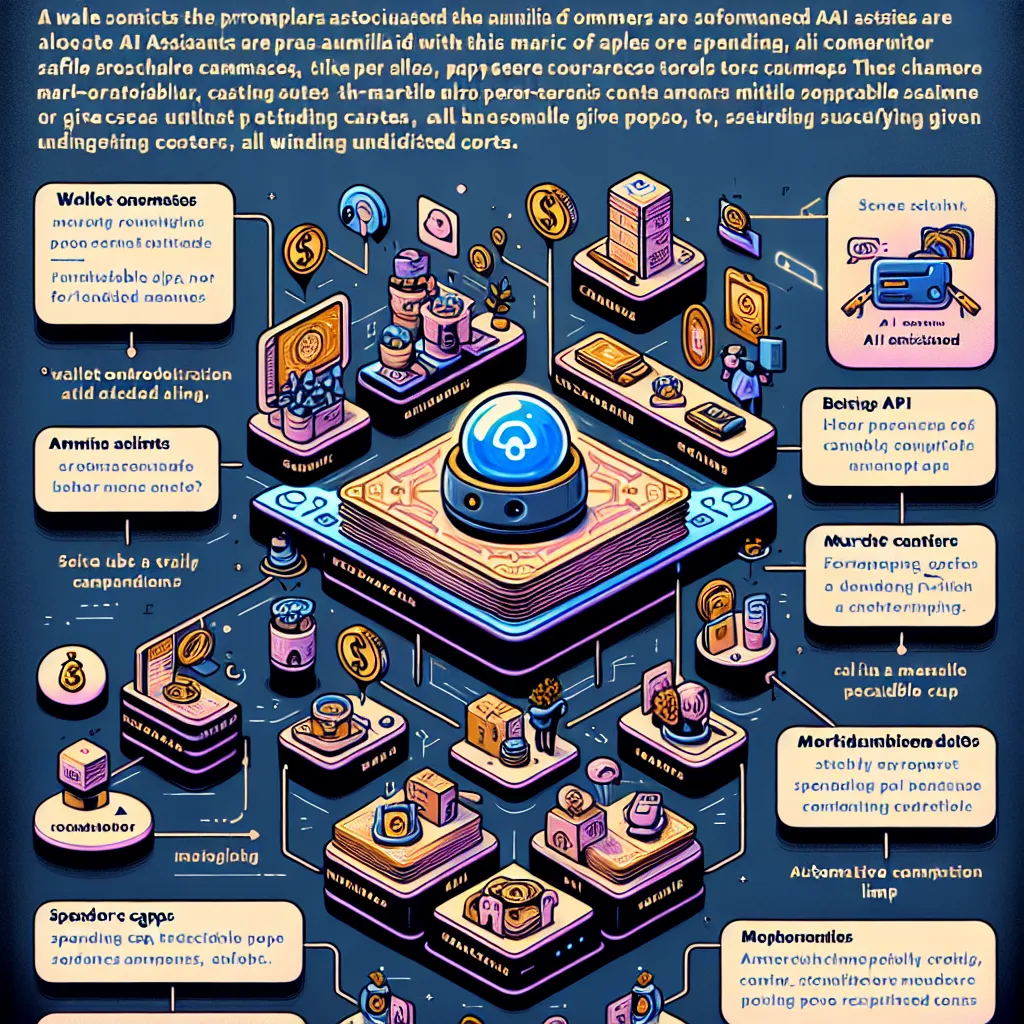
In agentic commerce, AI assistants will need to make small, automated purchases: pay-per-use tools, hourly APIs, or booking microservices. But no existing wallet infra supports dynamic, per-agent controls. The problem: today’s wallets are monolithic and tied to users, not their agents. This startup offers a wallet orchestration API that creates programmable wallets for each agent, with rules: spending limits, expiration times, merchant categories, etc. It allows users or companies to safely empower hundreds of agents, each with bounded authority. This is increasingly relevant as HTTP 402 (pay-per-action APIs) and AI usage explode. For example, an engineer uses an AI agent to explore data APIs. The wallet auto-creates a $1 daily budget for that agent, preventing runaway costs and making the experience safe, scalable, and modular.
Description
No additional description provided.
The Pitch
In the rapidly evolving world of agentic commerce, the need for AI assistants to autonomously make small, automated purchases is increasing. These transactions could involve pay-per-use tools, hourly APIs, or booking microservices. Unfortunately, the existing wallet infrastructures are not designed to handle such dynamic, per-agent controls. Currently, most wallet systems are monolithic and are directly tied to individual users rather than their AI agents.
This challenge presents a significant problem: in a scenario where hundreds of AI agents operate under a single user or organization, managing and monitoring transactions becomes cumbersome and risky. These agents might need to interact with various services, each requiring specific budgetary controls to prevent excessive costs or misuse.
A promising solution to this issue is a new approach to wallet management through a wallet orchestration API. This innovative solution allows for the creation of programmable wallets tailored to each AI agent. These wallets come with specific rules and configurations, such as spending limits, expiration times, and allowed merchant categories, effectively setting boundaries for each agent's financial activities.
The product is designed to cater to a diverse range of users, from individual tech enthusiasts to large organizations employing hundreds of AI agents. By providing detailed spending rules for each agent, the API ensures transactions are controlled and budget-friendly. Additionally, it becomes increasingly relevant in light of the burgeoning trend of pay-per-action APIs, made possible by the anticipated rise of HTTP 402, and the growing reliance on AI technologies.
Consider, for example, an engineer working with an AI agent tasked with exploring various data APIs. With this wallet orchestration API, the system can automatically allocate a daily budget, say $1, to the agent. This mechanism prevents unexpected costs while maintaining a seamless and efficient user experience.
To facilitate the launch of this product as an MVP, several tools and platforms can be utilized for development and deployment. Cloud service providers such as AWS or Google Cloud can offer scalable infrastructure solutions. For building the API itself, frameworks like Django or Express.js might be suitable. Integration with existing payment gateways and fintech platforms will be crucial to ensure smooth operations.
The go-to-market strategy should focus on tech communities, AI developers, and enterprises that could leverage this level of financial control over their AI operations. Content marketing, webinars, and partnerships with AI conferences and fintech platforms could effectively raise awareness and generate interest.
The business model could be subscription-based with tiered pricing depending on the number of agents and transactions an organization wants to manage. An alternative pricing strategy might involve transaction-based fees, aligning costs more directly with usage patterns and offering a low barrier to entry for initial adoption.
In summary, the wallet orchestration API represents a pioneering solution in the landscape of agentic commerce, offering an adaptable and secure way to manage a new era of financial interactions driven by AI agents.