Programmable Stablecoin Refunds Revolutionize Retail Transactions
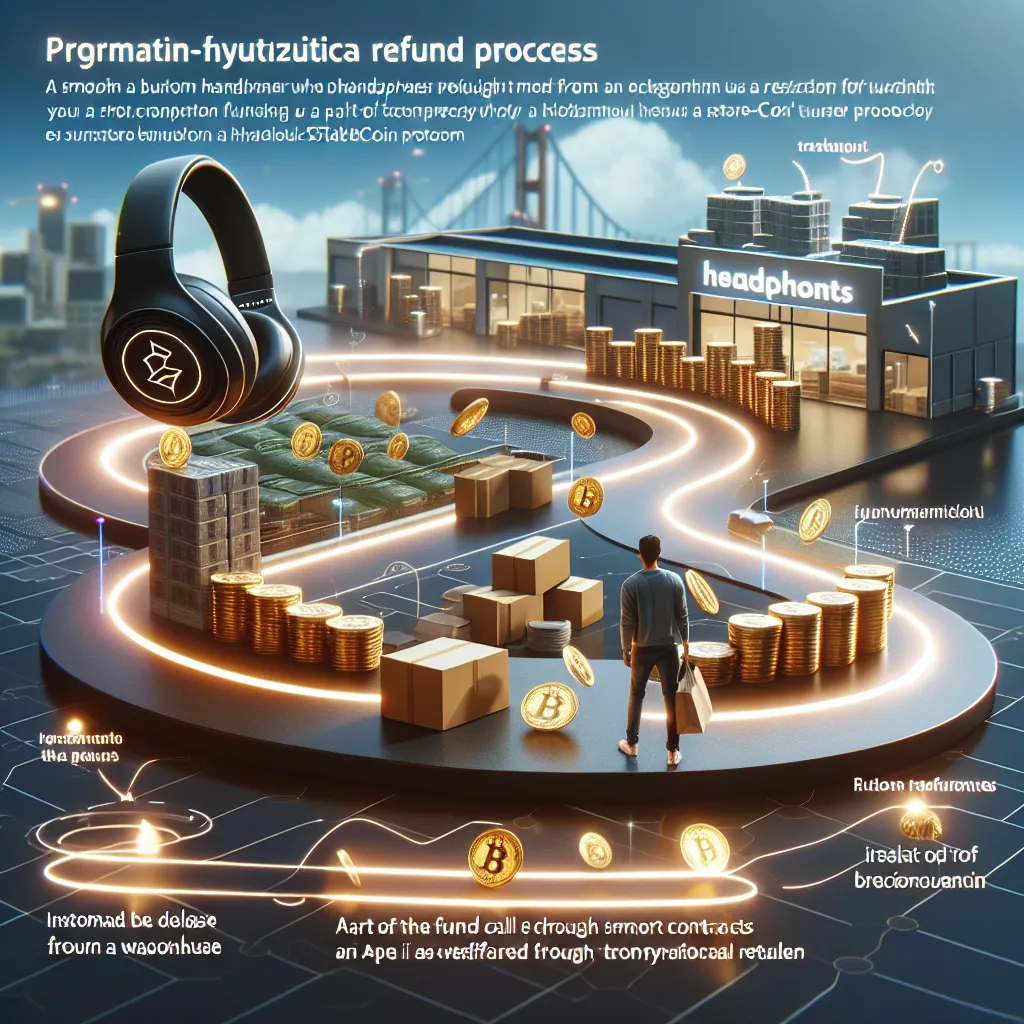
Retailers and consumers both suffer from slow, opaque refund and chargeback processes. Traditional rails can take days to resolve, and fraud is rampant. A programmable stablecoin refund protocol fixes this: when a transaction occurs, a portion is held in escrow via smart contracts for a set time. If a return is requested or dispute arises, funds can be auto-refunded or escalated to a third-party resolver, all on-chain. With stablecoin rails gaining trust from big retailers, programmable refunds become both possible and highly valuable. Imagine buying headphones with WalmartCoin, and when you return them, your stablecoins are automatically released from escrow within seconds, based on a verified API call from the warehouse.
Description
No additional description provided.
The Pitch
In the modern retail landscape, both retailers and consumers are plagued by cumbersome refund and chargeback systems. The traditional methods for handling these transactions are often mired in delays and uncertainties, sometimes taking days or even weeks to resolve. The opacity of these processes not only frustrates consumers but also exposes businesses to a heightened risk of fraud. A novel approach to addressing these issues lies in the integration of programmable stablecoin refund protocols, which promise efficiency, transparency, and security in financial transactions.
Backstory:
The advent of e-commerce has brought about a significant increase in the volume and complexity of retail transactions. As businesses strive to provide seamless shopping experiences, they are challenged by outdated financial systems that struggle to keep up with the digital pace. The traditional refund mechanisms demand substantial time and resources, creating dissatisfaction among customers and inefficiencies for businesses. In this context, the integration of blockchain technology and stablecoins offers a compelling solution.
Problem:
The major issues with current refund and chargeback processes include:
1. Slow processing times, leading to customer frustration and potential loss of future business. 2. Lack of transparency, which creates distrust among consumers. 3. High susceptibility to fraud, costing retailers substantial financial losses. 4. Disjointed processes that rely on multiple intermediaries, increasing the complexity of resolving disputes.
Solution:
The introduction of a programmable stablecoin refund protocol can address these challenges by offering a secure, fast, and transparent system for processing refunds and chargebacks. When a transaction occurs, a portion of the payment is held in escrow using smart contracts. In the event of a return or dispute, the funds can be automatically refunded or escalated to an unbiased third-party resolver, all within a blockchain environment. This reduces the need for intermediaries and significantly speeds up the resolution process.
Product Details:
The proposed system would operate as follows:
1. A transaction takes place and part of the payment is reserved in escrow via smart contracts. 2. Should a return be initiated, the retailer triggers a verified API call, which automatically releases the stablecoins from escrow to the consumer. 3. In the case of disputes, the system can automatically escalate the issue to an impartial third-party resolver, maintaining transparency and trust. 4. This process can integrate with major e-commerce platforms, enabling wide adoption.
Tools for Launching an MVP:
To develop a Minimum Viable Product (MVP), the following tools and technologies can be employed:
1. A blockchain platform to facilitate smart contracts and transactions (e.g., Ethereum, Solana). 2. Stablecoins that are widely respected and accepted (e.g., USDC, Tether). 3. API integration capabilities to coordinate between the retailer's system and the blockchain. 4. Partnerships with e-commerce platforms to ensure seamless integration.
Go-To-Market Strategy:
To effectively launch this innovation, consider the following strategies:
1. Partner with early adopters in the retail industry, especially tech-savvy brands looking to enhance their customer service. 2. Collaborate with stablecoin issuers to ensure trust and wide usage. 3. Launch pilot programs targeting high-return product categories, like electronics. 4. Conduct marketing campaigns focusing on the speed, security, and transparency of the system, leveraging case studies and testimonials to build credibility.
Business Model:
The business model could be based on a subscription service or transaction fee structure. Retailers may pay a monthly fee for access to the system or a percentage fee per transaction processed through the protocol. Additional revenue could be generated from providing premium features, such as advanced analytics and reporting tools.
Conclusion:
By implementing a programmable stablecoin refund protocol, retailers can revolutionize their refund and chargeback processes. This innovative solution not only addresses current inefficiencies but also positions businesses at the forefront of digital financial transformations, ultimately enhancing customer satisfaction and trust.