Programmable Paint: Responsive Architecture Revolution
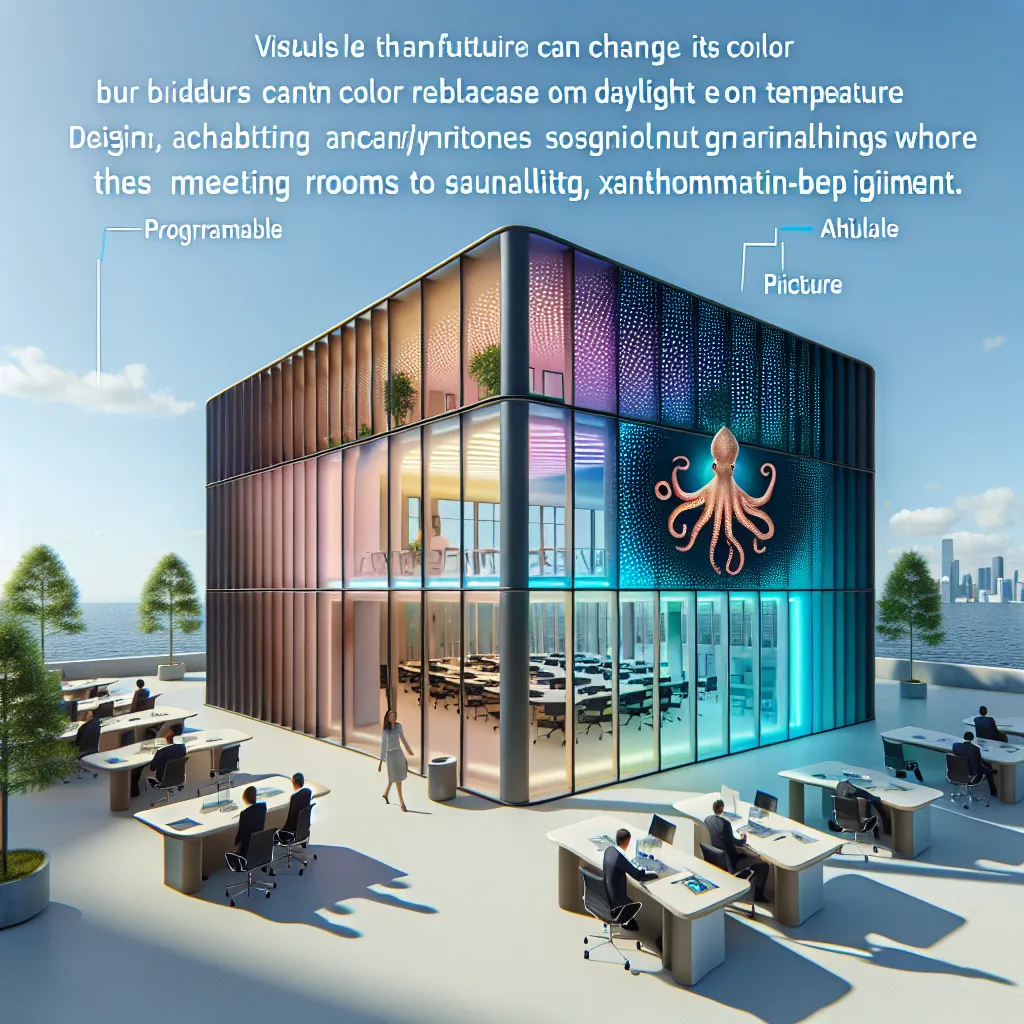
Buildings today are passive shells. They waste energy, age badly, and never change. What if walls could breathe, sense, and respond like skin? With xanthommatin-based pigments, they can. Scientists can now produce this octopus pigment in bulk, giving architects a new design material: paint that changes color with daylight or temperature. Hotels could shift tone by time of day; homes could brighten automatically in winter; offices could signal meeting-room availability through walls that subtly change hue. The “Internet of Things” doesn’t need more screens—it needs smarter surfaces. Why now? Because this pigment breakthrough turns color into code. It’s programmable architecture, and it blurs the line between construction and computation. Imagine living in a space that visually reacts to you, not one that ignores you.
Description
No additional description provided.
The Pitch
In recent years, the world of architecture and design has been largely static, with buildings essentially serving as passive entities that provide shelter and space but offer little interaction or adaptation. This lack of dynamic design leads to increased energy waste, inflexible aesthetics, and a general sense of permanence that doesn't align with our dynamic lifestyles.
The Challenge: Buildings as Passive Entities
The traditional model of construction results in buildings that often remain visually and functionally static for decades. Walls are painted once and rarely reconsidered until the next major renovation. This model is not only inefficient but also fails to engage inhabitants on a multisensory level. In a world increasingly interested in personalization and sustainability, these stagnant structures fall short.
The Opportunity: A Revolutionary Approach to Design
With new advancements in material science, particularly the mass production of xanthommatin-based pigments initially found in octopuses, there is an opportunity to revolutionize architecture. These pigments allow surfaces to respond and adapt to environmental stimuli like daylight or temperature changes, offering a dynamic interaction between space and inhabitant.
The Vision: Transformative, Responsive Surfaces
Imagine an architectural environment where walls and facades can change their color and hue in response to external and internal conditions. Hotels can adjust their ambience throughout the day, homes can become more inviting and warming during colder months, and workspaces can visually indicate the availability of meeting rooms with subtle color transitions.
The Solution: Programmable Architecture
This innovation redefines what a building can be—transforming from a passive shelter into an active participant in its environment. By embedding xanthommatin-based pigments into paint and other surface coatings, we enable spaces to communicate and interact without the need for additional screens or devices. This new paradigm marries construction with computation, using color as a form of code to create smarter surfaces that enhance user experience.
Product Details: Features and Implementation
1. **Dynamic Color Change**: Utilizing xanthommatin-based pigments, the paint can automatically adjust to changes in light and temperature.
2. **Customization**: Property owners and designers can select color schemes that match desired moods or functional requirements, all programmable via an app.
3. **Energy Efficiency**: Responsive surfaces can help regulate indoor temperatures, potentially reducing heating and cooling costs.
4. **Versatile Applications**: Suitable for a wide range of uses, from residential buildings to commercial and hospitality settings.
Tools and Technologies to Launch the MVP
- **Material Procurement**: Establish partnerships with suppliers able to produce the xanthommatin pigment at scale.
- **Software Platform**: Develop a user-friendly application for color customization and control.
- **Integration Kits**: Create installation kits for easy application in existing buildings alongside new constructions.
Go-To-Market Strategy
1. **Partnerships**: Collaborate with leading architecture firms and real estate developers to incorporate the technology in upcoming projects.
2. **Pilot Projects**: Initiate pilot installations in highly-visible locations to showcase capabilities and generate buzz.
3. **Education Campaigns**: Conduct workshops and webinars for architects and designers to demonstrate the potential and application methods.
4. **Direct Sales and Licensing**: Establish a direct sales team targeting key industry players and offer licensing agreements for broader adoption.
Business Model
- **Direct Sales and Installations**: Revenue from selling pigmented paint and coating solutions directly to clients.
- **Software Subscription**: Monthly or yearly fee for access to the control app and customization features.
- **Licensing**: Generate income through licensing arrangements with other paint manufacturers or tech firms seeking to embed this technology into their offerings.
In conclusion, by transforming xanthommatin-based pigments into a feasible commercial product, we not only redefine architectural aesthetics but also enhance the functionality of our living and working spaces. This innovation not only fulfills a market need but also aligns with the growing demand for sustainable and interactive environments. By embracing the concept of programmable architecture, we bridge the gap between construction and technology, offering a truly revolutionary design solution.