Programmable E-Ink: The Future of Posters
Printed posters are wasteful, expensive, and outdated — not just in academia, but across industries. Universities, conferences, museums, hospitals, and hotels all rely on static posters for research, signage, schedules, and displays that are used briefly, then tossed. A better solution is large-format e-ink displays that can be reused and updated instantly. Universities could start by investing in a set for research presentations — students simply upload their posters digitally, flash them to the display, and avoid the hassle and waste of printing. But the same model works for trade shows rotating vendor booths, museum exhibits with changing context, or hospitals displaying shift info and announcements. E-ink is low-power, crisp, and readable in any light — and unlike digital signage, it doesn’t feel like a screen. The future of posters isn’t printed — it’s programmable, and it’s coming for every industry still stuck in paper.
Description
No additional description provided.
The Pitch
In many sectors, including academia, conferences, museums, hospitals, and hospitality, traditional printed posters remain a staple. They serve critical functions such as disseminating research, providing directions, displaying schedules, and more. However, this reliance on printed materials comes with a range of issues: they're often expensive to produce, environmentally unfriendly, and their utility is ephemeral, leading to waste and inefficiency.
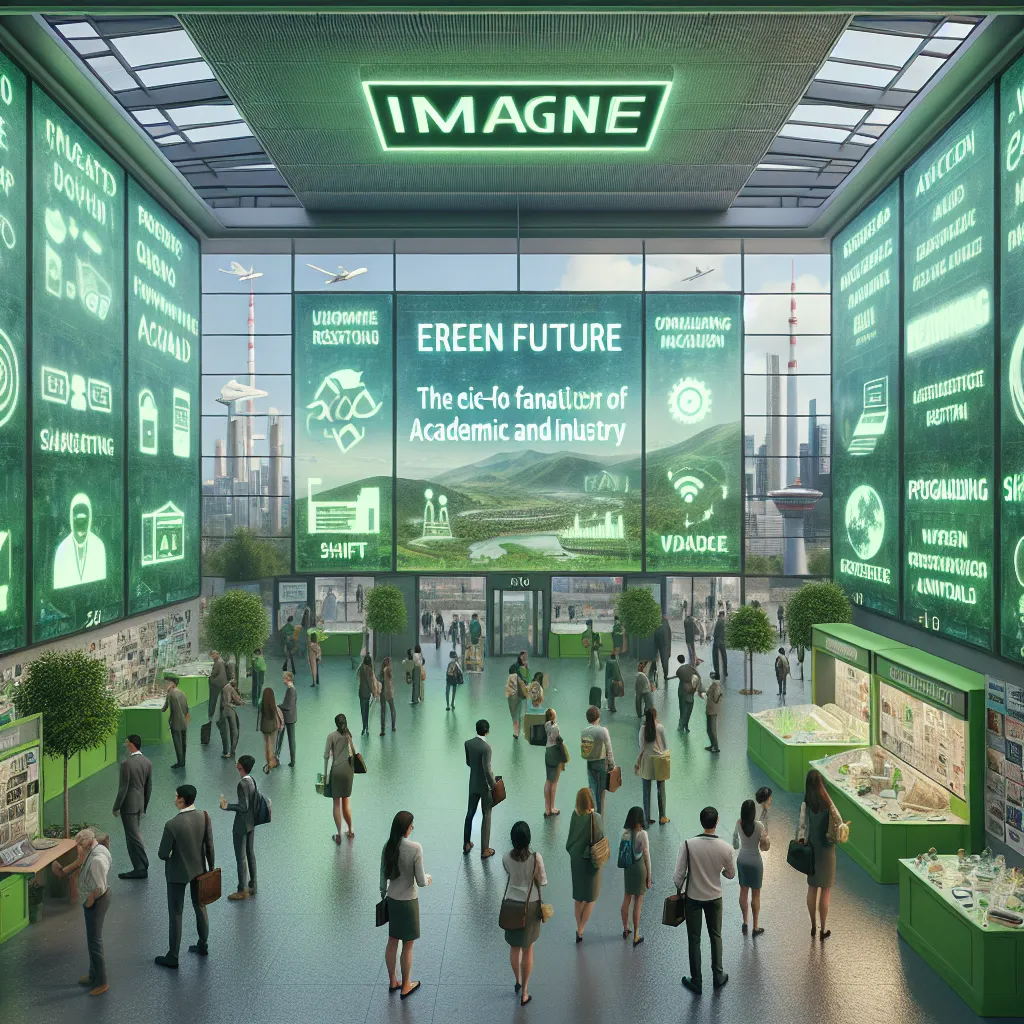
Imagine frequenting a university campus, attending a conference, or even walking through a museum. Each setting is filled with static posters and signs that, despite serving their purpose, are soon rendered obsolete and discarded. This cycle of production and disposal not only imposes financial strain but also contributes to environmental degradation. The challenge is clear: how can we maintain the benefits of poster communication while mitigating its downsides?
The solution lies in leveraging large-format e-ink displays. These innovative displays offer a sustainable alternative that can transform how information is presented and consumed across various industries. E-ink technology is known for its low power consumption, high readability in various lighting conditions, and ability to provide crisp, clear visuals that do not resemble traditional screens, thus reducing digital fatigue.
The potential applications are numerous. In academic settings, universities could invest in a suite of these displays for research presentations. Students and faculty would simply upload their poster content digitally, transferring it seamlessly to these e-ink screens. This change would eliminate the need for physical printing, reducing costs and environmental impact. Similarly, conferences could employ these displays for rotating vendor booths, ensuring that information is current and relevant without the logistical challenges of reprinting materials. Museums could use them for dynamic exhibits or changing contextual information, while hospitals and hotels might adopt them for scheduling and announcements that require frequent updates.
Key product details include the size and resolution of the e-ink displays, options for connectivity to allow instantaneous updates via Bluetooth or Wi-Fi, and potential integrations with existing content management systems to streamline the operation. The installation of these displays would also need to accommodate a variety of infrastructure constraints in different environments.
To launch this solution as a minimum viable product (MVP), tools such as Raspberry Pi units or similar microcontrollers, combined with custom software for ease of uploading and formatting content, can be used to create a basic, functional version of the system. Collaboration with e-ink technology manufacturers would be critical to source suitable displays, while partnerships with universities and other institutions could provide testing grounds for the MVP.
The go-to-market (GTM) strategy could focus initially on academic institutions and large annual conferences, which are both strong candidates for early adoption due to their frequent use of posters. Demonstrations at academic trade shows and partnerships with educational and professional bodies could drive initial interest and adoption.
As for the business model, a subscription-based service could be offered. Institutions could pay for the service on a monthly or annual basis, which would cover the use of the displays, software updates, and technical support. Additionally, tailored solutions could be offered to different sectors, allowing for customization based on specific needs. This model could also involve leasing the displays, lowering the barrier to entry and encouraging long-term partnerships with clients.
Ultimately, transitioning from traditional printed posters to e-ink displays can revolutionize information dissemination across various sectors, offering a sustainable, cost-effective, and modern alternative that aligns with the growing emphasis on digital transformation and environmental responsibility.