Programmable Clothing: Dynamic Fashion for Any Occasion
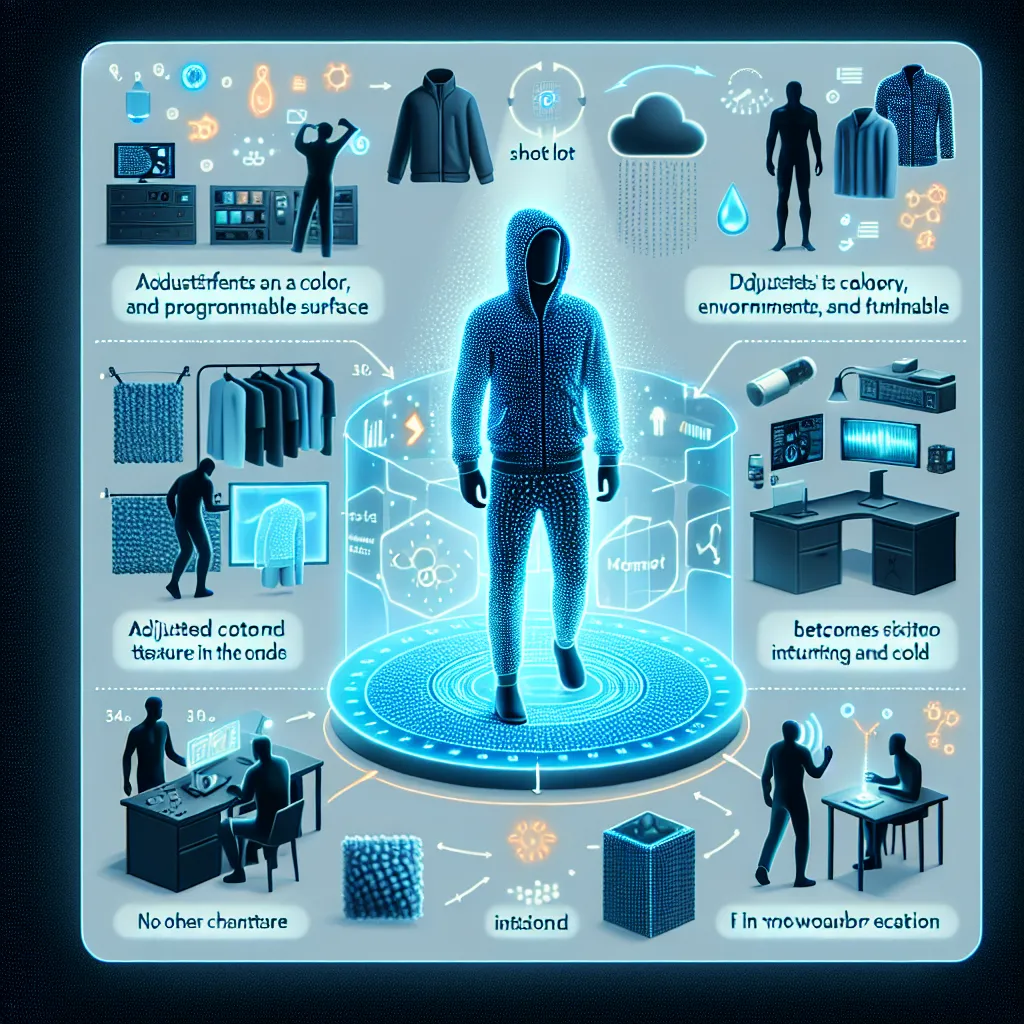
Clothing is still static in a world that’s increasingly dynamic. Fashion reacts to trends slowly, performance wear optimizes for one condition at a time, and expressive clothing relies on screens or LEDs that feel artificial and fragile. This concept rethinks garments as programmable surfaces that can change color, pattern, and even micro-texture on demand. Instead of owning multiple outfits, users wear one adaptive layer that responds to mood, environment, or function. The shift makes sense now because smart textiles have plateaued at gimmicks, while material science is finally catching up to real-world wearability. Picture a jacket that becomes breathable and light-colored in heat, textured and insulated in cold, and visually transforms for an evening event — no wardrobe change required.
Description
No additional description provided.
The Pitch
In a world where everything from our phones to our homes is becoming smarter and more adaptive, clothing remains an area of untapped potential. Fashion trends are typically slow to evolve, creating a lag between innovation and mainstream adoption. The limitations of current garments, whether performance-focused or purely aesthetic, often mean that they serve a singular purpose—with performance wear optimizing for one set of conditions and stylish clothing maintaining a static design or color scheme. Existing approaches to expressive clothing, which incorporate digital screens or LED lights, can often feel forced or impractical for day-to-day wear due to their fragility or unnatural feel.
The concept is to revolutionize how we think about clothing by transforming garments into programmable surfaces that can adjust their color, pattern, and even texture. Imagine owning a single adaptive outfit that changes to match your mood, adapts to environmental conditions, or shifts its function based on the scenario—all with a simple command or automatically via built-in sensors. For instance, a jacket that becomes light and breathable when it's hot, textured and insulated during cold weather, and visually dynamic for special events, eliminating the need for multiple wardrobe changes.
Now is the right time for this innovation. Smart textiles have traditionally been viewed as novelties, but advancements in material science are finally allowing for practical applications that align with real-world use. This convergence opens up new possibilities for wearable technology that is both functional and fashionable.
To bring this vision to life as a minimum viable product, we start with a few vital components. The first is developing the adaptive textile itself, combining materials that can alter in response to environmental and user inputs. This would require collaboration with experts in material science and textile engineering. Initial prototypes might focus on a basic garment like a jacket or shirt to simplify manufacturing and testing.
In parallel, a software platform would need to be created to manage and control the textile's responses. This could integrate with smartphones and smart home systems, allowing users to personalize their clothing through apps that provide preset modes and allow manual customization.
For launch, leveraging existing tools and technologies like flexible electronics, conductive fabrics, and microcontroller platforms will be critical to keep costs manageable. Partnerships with researchers and innovators in the field of smart textiles can facilitate access to the latest breakthroughs and production techniques.
When considering a go-to-market strategy, creating buzz through partnerships with fashion influencers and tech events can help capture the attention of early adopters. A crowdsourcing campaign could also provide funding while garnering valuable consumer feedback and building a community of enthusiasts around the product.
The business model can initially focus on direct-to-consumer sales online, cutting the costs associated with traditional retail and allowing for better control over the branding and customer experience. Offering related services, such as customization options and garment updates, can create a recurring revenue stream and enhance customer loyalty.
In summary, this innovative approach to clothing promises to redefine how we interact with our garments. By blending advanced textile technology with consumer-centric design, we can create a new category of adaptive wear that mirrors the dynamic world we live in. This concept isn't just about making clothes smarter; it's about making them truly responsive and integrated into our lives.