Programmable Cells for Targeted Health Solutions
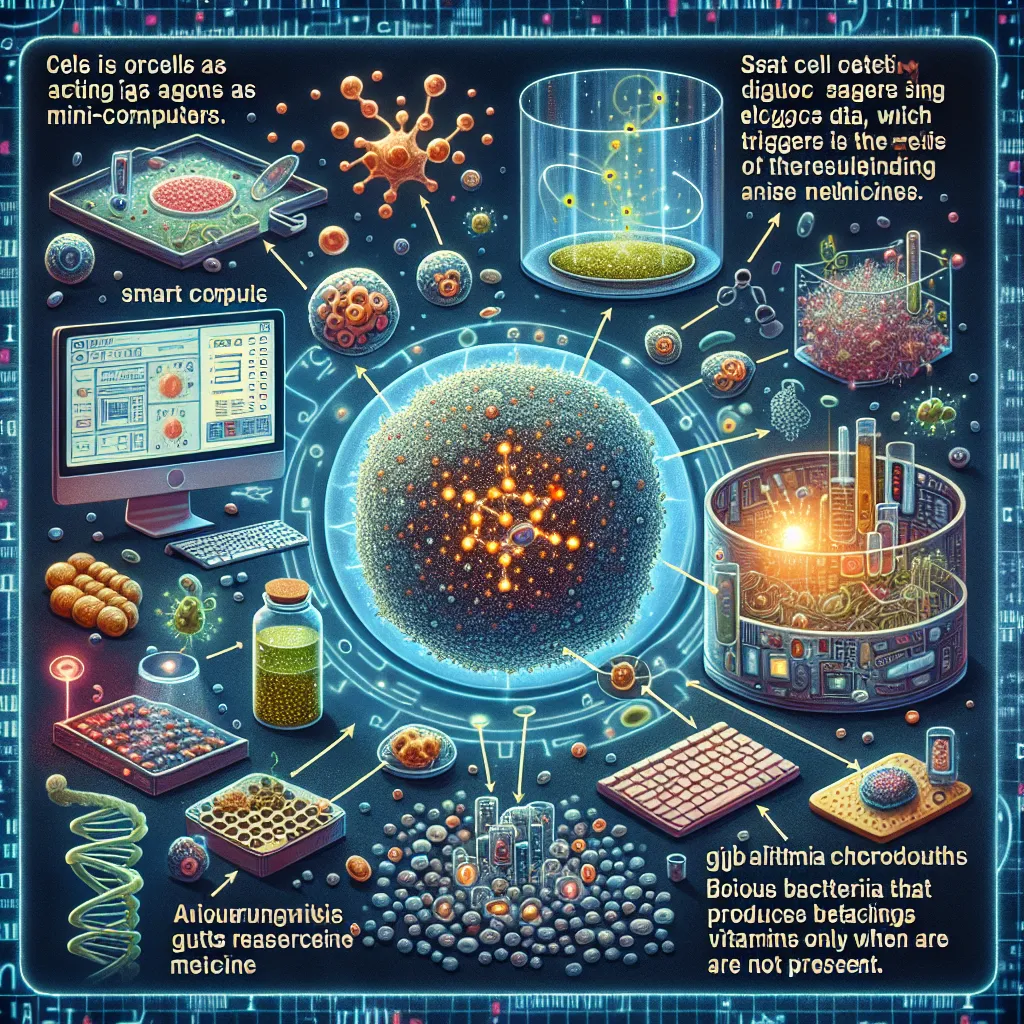
What if living cells could act like mini-computers—making decisions based on what’s around them? This new Cas12a editing allows us to build “logic” into cells by editing many genes that talk to each other. A startup could build smart cells that, for example, detect cancer and release medicine only when needed. Why now? ETH’s breakthrough lets us write bigger “programs” into DNA than ever before. Example: a gut bacteria that only makes vitamins when your body lacks them. It’s like putting a brain inside a cell.
Description
No additional description provided.
The Pitch
Imagine a world where our cells function as miniature computers, capable of making sophisticated decisions based on their surroundings. This concept, once confined to the realms of science fiction, is now approaching reality thanks to recent advancements in gene editing technology. In particular, the development of Cas12a editing has paved the way for embedding logic into living cells, allowing them to interact more dynamically and intelligently than ever before. This document explores the groundbreaking potential of creating smart cells and outlines how a startup could harness this technology to revolutionize pharmaceutical treatments, particularly in targeted drug delivery and personalized medicine.
Background
The idea of programming living cells is not new, but previous limitations in genetic modification tools restricted the complexity and efficacy of such approaches. Traditional gene editing techniques allowed for modifications at a smaller scale, but they lacked the precision and flexibility needed to create truly intelligent cellular systems. The breakthrough by researchers at ETH Zurich with the Cas12a system changes this, enabling more extensive and intricate gene editing. This allows for the design of comprehensive genetic circuits that function similarly to computer programs, endowing cells with enhanced capabilities to process environmental signals and execute predefined actions.
The Problem
Many current medical treatments suffer from inefficiencies and side effects due to their lack of specificity. Chemotherapy, for instance, affects not only cancerous cells but also healthy cells, leading to detrimental side effects. There is a pressing need for more precise treatment methods that target only diseased cells while leaving healthy tissues unharmed. Additionally, the one-size-fits-all approach to medication results in suboptimal treatment outcomes for patients with unique genetic and physiological profiles.
The Solution
Smart cells offer an elegant solution to these challenges. By programming cells to detect specific biomarkers associated with diseases like cancer, it is possible to create treatment systems that activate only in the presence of these markers. For example, engineered gut bacteria can be programmed to produce vitamins only when the human body shows signs of deficiency. This targeted approach minimizes side effects and optimizes the therapeutic benefits of treatments.
Product Details
The core product of this initiative would be a platform technology that enables the design and implementation of programmable living cells. This includes:
1. A genetic engineering toolkit utilizing the Cas12a system for creating complex genetic circuits. 2. Pre-designed genetic modules for common applications such as cancer detection, metabolic regulation, and nutrient synthesis. 3. Customization services for developing tailored solutions based on individual patient needs and specific medical conditions.
Tools for MVP Launch
To facilitate the development and rapid deployment of this technology, the following tools can be leveraged:
1. Synthetic Biology Platforms: Tools like CRISPR libraries and DNA synthesis services can accelerate the design of genetic circuits. 2. Computational Modeling Software: Used to simulate and predict cellular responses to ensure the reliability of engineered systems. 3. Bioreactors and Microfluidic Devices: Essential for testing and validating the functionality of smart cells in controlled environments. 4. Collaborative Platforms: Utilizing cloud-based collaboration tools for coordination among multidisciplinary teams, including biologists, bioinformaticians, and clinicians.
Go-to-Market Strategy (GTM)
A successful entry into the market will hinge on strong partnerships with key stakeholders in the biotech and healthcare industries. The GTM strategy includes:
1. Partnership Development: Collaborate with research institutions and biotech firms to refine technology and validate its efficacy through clinical trials. 2. Pilot Programs: Initiate pilot studies with leading hospitals and medical centers to demonstrate the clinical benefits of smart cell technology. 3. Education and Advocacy: Engage with healthcare professionals and regulatory bodies to raise awareness about the capabilities and safety of programmable cells. 4. Strategic Alliances: Form partnerships with pharmaceutical companies to integrate smart cell technology into existing drug portfolios.
Business Model
The business model for this venture revolves around a combination of product sales, licensing agreements, and service contracts. Key revenue streams include:
1. Technology Licensing: Licensing the platform to biotech firms and research institutions for use in their own projects. 2. Direct Sales: Providing off-the-shelf smart cell solutions for common medical applications. 3. Custom Development Services: Offering bespoke design and engineering services for specialized applications.
Conclusion
The integration of logic into living cells represents a quantum leap in the field of biotechnology, promising to transform medical treatments with unprecedented precision and personalization. By building a startup around this technology, innovators have the opportunity to not only pioneer next-generation therapies but also redefine how we approach disease management and healthcare as a whole.