Privacy-Focused AI Home Security Solutions
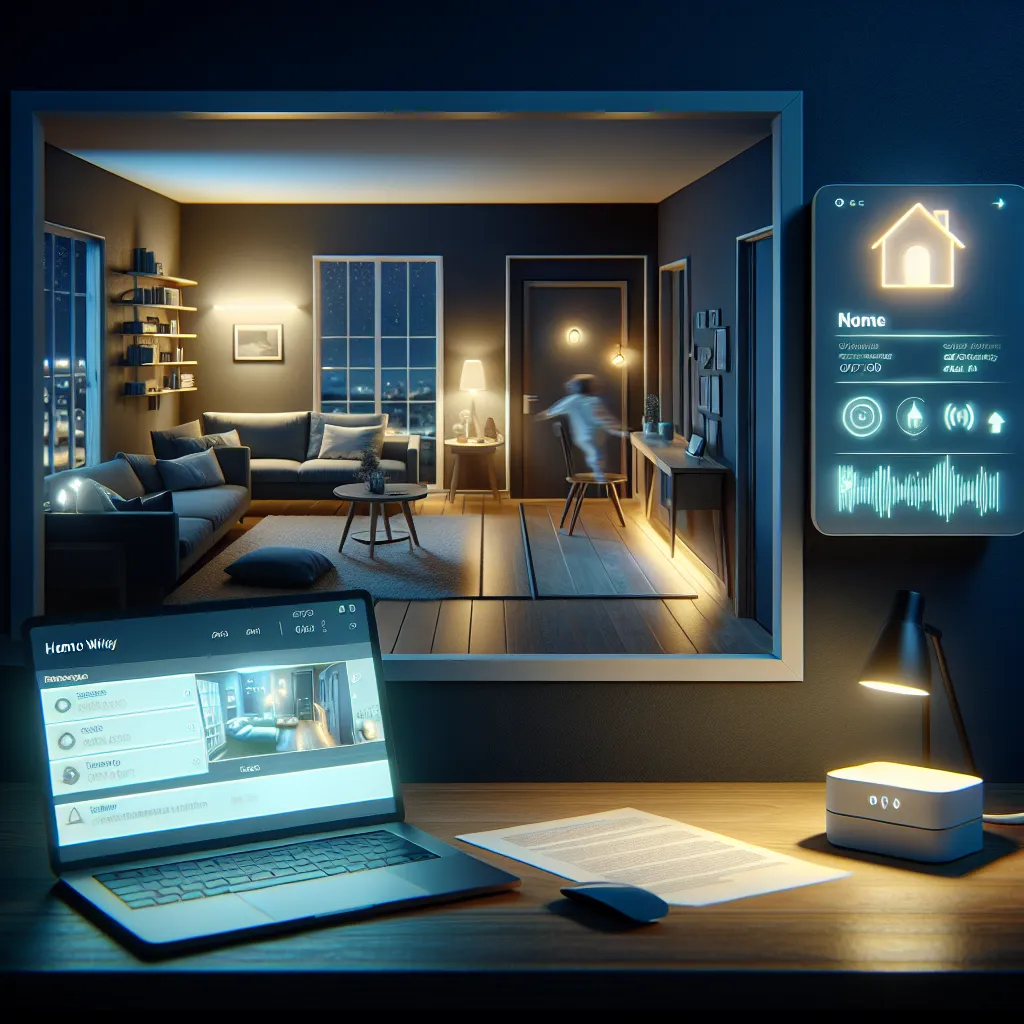
Home security systems are often invasive, relying on cameras and microphones that create discomfort, especially in private or shared spaces. But there’s a growing demand for privacy-first solutions that can still detect activity or emergencies. AI-powered motion detection using Wi-Fi signals or environmental sensors offers a way to monitor households without surveillance optics. This model is already proving effective in elder care, where fall detection and motion monitoring are needed—but it hasn’t been brought to mainstream home security yet. For example, a parent working late can still be alerted if there’s unusual movement in their child’s room, without a single camera feed being involved.
Description
No additional description provided.
The Pitch
The increasing concern over privacy has led many to question the traditional methods employed in home security systems. Typically, these systems rely heavily on cameras and microphones, which, despite their effectiveness, often evoke a sense of intrusion. For individuals and families, particularly those in private or shared living spaces, the notion of constant surveillance can generate discomfort and resistance. As a result, there is a noticeable shift towards exploring privacy-conscious alternatives that do not compromise on security efficacy.
The Problem: Traditional home security systems, although robust in functionality, often fail to address the privacy concerns of modern users. The constant recording of video and audio within private spaces leads to unease. This is a significant barrier for many potential users who prioritize privacy just as much as security. Furthermore, the presence of cameras in sensitive areas such as bedrooms or children's rooms is seen as highly intrusive, creating a need for a solution that balances safety and privacy.
The Solution: Leveraging AI-powered motion detection through Wi-Fi signals or environmental sensors represents an innovative solution to the privacy-security conundrum. These technologies, already gaining traction in elder care for their ability to detect falls and monitor movement without intrusive devices, offer a promising avenue for mainstream home security. By eliminating the need for cameras, these systems can provide real-time alerts on unexpected movements, thus maintaining the user’s privacy while ensuring their home is safe.
Product Details: The proposed product revolves around the use of advanced AI algorithms integrated with home Wi-Fi networks and environmental sensors. These systems can analyze variations in Wi-Fi signals, detecting movement pattern changes without visual or audio surveillance. Essential features could include:
- Motion detection alerts sent to a user’s smartphone or other devices. - Customizable sensitivity settings to adjust for pets or background noise. - Integration with existing home automation systems for automated responses, such as locking doors or turning on lights. - A user-friendly interface allowing easy configuration and management.
Tools for MVP Development: To bring this concept from ideation to reality, developers can utilize several tools and technologies:
- AI Development Frameworks: Tools such as TensorFlow or PyTorch for building motion detection algorithms. - IoT Platforms: AWS IoT or Azure IoT for managing device connectivity and data processing. - Mobile App Development: Cross-platform frameworks like React Native or Flutter to create the user interface. - Security Protocols: Advanced encryption techniques to ensure data privacy and secure communication.
GTM Strategy: The go-to-market strategy should focus on several key elements:
- Target Market Identification: Begin by focusing on privacy-conscious consumers such as families and urban professionals. - Partnerships: Collaborate with home security retailers and tech stores to extend reach and visibility. - Awareness Campaigns: Highlight privacy benefits through digital marketing initiatives, including social media campaigns and influencer partnerships. - Pilot Programs: Implement initial pilot programs in select urban areas to gather user feedback and adjust the product accordingly.
Business Model:
- Subscription-based Model: Offer tiered subscription plans with varied feature sets, including basic motion detection and premium integration options. - Hardware Sales: Generate revenue through the sale of dedicated routers or sensors designed for optimized performance with the AI system. - Licensing Model: License the technology to existing home security providers looking to expand their privacy-focused product offerings.
By aligning technological advancement with modern privacy expectations, this approach to home security not only mitigates current concerns but also sets a precedent for the future of domestic safety solutions.