Privacy-First AI Assistant with Dynamic Permissions
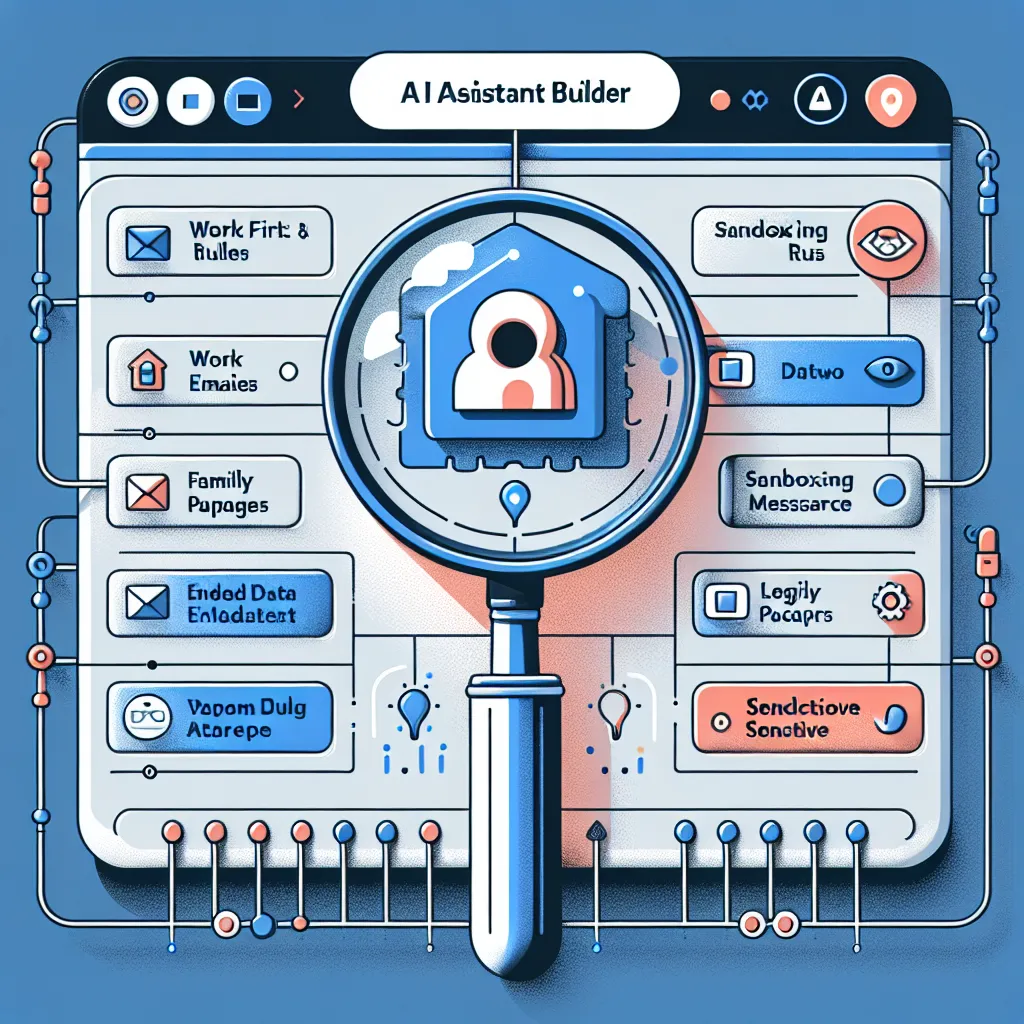
While tools exist to connect data sources like Gmail and Slack to AI models, users lack fine-grained control over what gets shared and how it’s used. This is a privacy-first assistant builder with dynamic permissions. Users can specify, for example, “Only analyze work-related emails from the past 6 months” or “Exclude anything from family or legal matters.” “There's no way to control that… There's no degree of real granularity.” The startup would offer a drag-and-drop interface for setting data rules, sandboxing sensitive content, and auditing what the AI sees—bringing trust and adoption to the masses.
Description
No additional description provided.
The Pitch
Individuals and organizations are increasingly relying on AI to optimize workflows, enhance communication, and manage information efficiently. Yet, while many tools allow integration of platforms like Gmail and Slack with AI models, a significant gap persists in user control over data sharing and privacy. Current solutions often overlook the nuances of data privacy, leaving users unable to fine-tune what data is shared and how it is utilized. This lack of control can deter potential users from embracing AI integrations due to privacy concerns, limiting the full potential of what AI can accomplish for them.
Problem:
The main issue at hand is the absence of fine-grained control for users over what personal and professional data gets accessed by AI applications. For instance, individuals might want to permit AI to analyze emails strictly related to work from the past six months while specifically excluding anything personal, like correspondence from family or sensitive information such as legal matters. Current AI integration tools do not provide users with the capability to filter data to such a degree of granularity, thus failing to address privacy-first needs.
Solution:
Introducing a privacy-first AI assistant builder that prioritizes user control and data privacy. This platform will be designed to empower users by giving them the ability to set precise data access rules and exclusions. Users will have the option to define parameters such as what type of emails or messages can be analyzed, during which time frame, and from which contacts. This ensures users can utilize AI's powerful capabilities without compromising their privacy or security.
Product Details:
The proposed platform features a user-friendly drag-and-drop interface, allowing non-technical users to easily create and manage data rules. The solution will include options for sandboxing sensitive content, meaning that before any data is shared with the AI, users can ensure its isolation and protection. Additionally, there will be an auditing feature that shows users exactly what data the AI has accessed, providing transparency and building trust in the solution.
Tools for Easy MVP Launch:
To create a minimum viable product quickly, leveraging low-code platforms like Bubble or OutSystems can be instrumental. For AI functionalities, pre-built APIs from platforms such as OpenAI or Google AI can be integrated. Using cloud services like Amazon Web Services or Google Cloud can ensure scalability and data security. The MVP should focus on core functionalities like data rule-setting, sandboxing, and auditing to validate the concept effectively.
Go-to-Market Strategy:
Initially, target small to medium-sized enterprises, as well as tech-savvy individual users who prioritize privacy and data security. Create awareness through webinars and online demos, highlighting the platform's privacy-first design and its ease of use. Forge partnerships with privacy advocacy groups to endorse the product's commitment to data security. Offer a freemium model to encourage trial and gradual adoption.
Business Model:
The primary revenue stream can be subscription-based, offering tiered plans that scale with the number of users and level of advanced features required. The freemium tier can have access to basic rule-setting and auditing features, while paid tiers can provide more comprehensive options like advanced data filtering, extended support, and customization according to enterprise needs.
This platform aims to transform the way users interact with AI by putting control back into their hands, enabling them to harness AI's potential without sacrificing privacy.