Preserving Heirloom Stories with Digital Archives
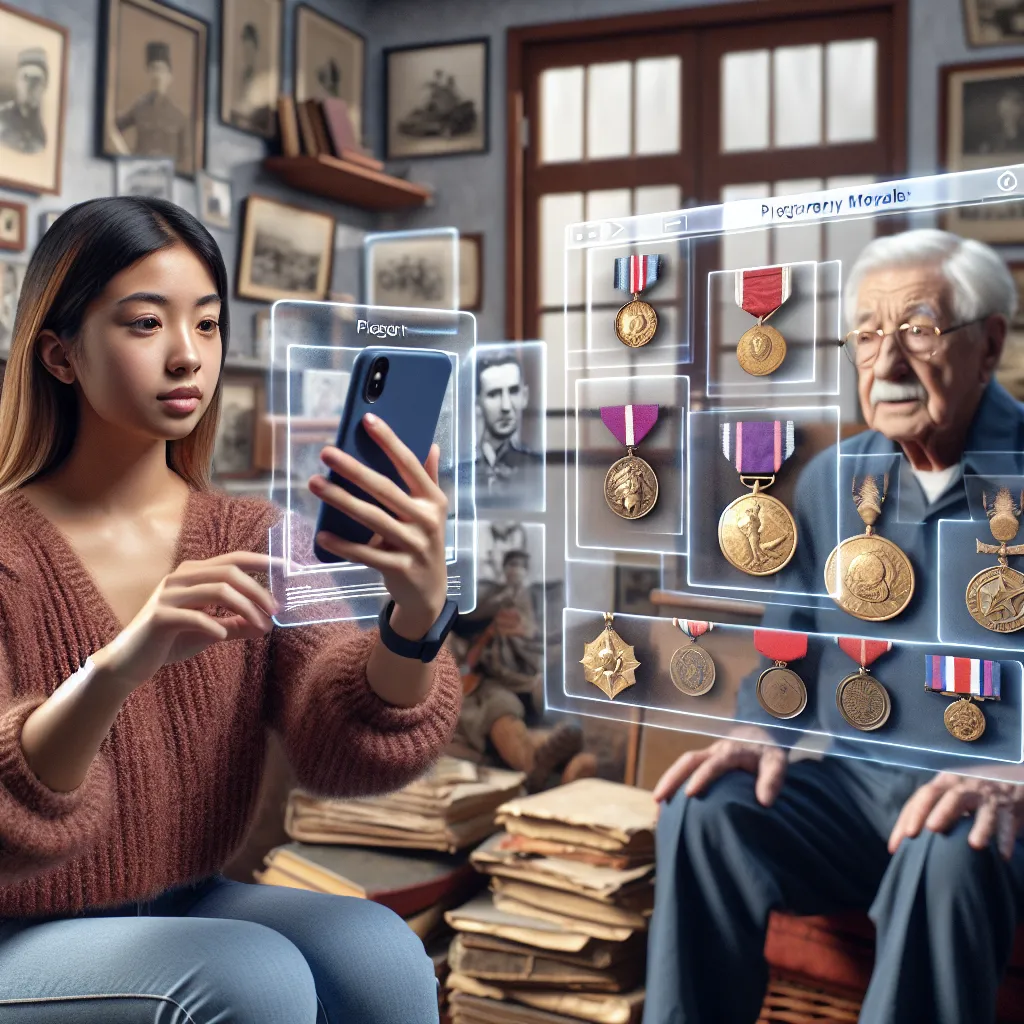
The emotional loss of inheritance isn’t the items—it’s the stories behind them. Families throw away or sell heirlooms without ever knowing the meaning, history, or significance. The solution is a digital archive where families can scan photos or objects and capture the stories, memories, and provenance behind them. It turns heirlooms into digital-first artifacts that can be passed to future generations without taking up space. Why now: aging Boomers are the last generation with deep physical memory collections, but their kids are digital natives—and physical storage is shrinking. Example: a granddaughter scans her grandfather’s war medals, records a conversation about where they came from, and preserves the memories in a searchable family archive—keeping heritage while freeing space.
Description
No additional description provided.
The Pitch
As we journey through life, our most cherished possessions often tell the stories of those who came before us. Yet, these stories are at risk of being lost as families discard items without understanding their historical and emotional significance. The tangible items—heirlooms, photographs, medals—hold narratives that, once lost, may never be recovered. This is where the crux of the issue lies: the emotional loss isn't in the physical items themselves but in the stories and memories they encapsulate.
The underlying problem is that families often find themselves with a plethora of items from previous generations and limited space to store them. Physical storage constraints are real, and younger generations, raised in a digital era, may not value physical possessions in the same way. They lean towards minimalism and digital solutions, leaving a gap between the tangible past and digital future.
The proposed solution is to create a digital archive platform where families can scan and upload photographs, documents, and objects. The platform would offer tools to record audio or video stories, annotate the origin and significance of items, and compile these into a searchable, digital family archive. By digitizing heirlooms, the platform allows families to preserve their heritage and pass down legacies without the burden of physical storage.
Why now? The timing is critical as the baby boomer generation, known for their extensive physical memory collections, are aging. Their children and grandchildren are digital natives who prefer streamlined, technologically integrated solutions. Concurrently, as living spaces become increasingly smaller, a digital approach offers a practical, space-efficient way to preserve family history.
Imagine a scenario where a granddaughter finds her grandfather's war medals. Using the digital archive platform, she scans the medals, records a conversation with him about the stories behind each one, and uploads both to the digital archive. This action not only preserves the story for future generations, but also creates a virtual space where family members can learn about their heritage without needing a physical museum.
The product details for this digital archiving platform would include an intuitive interface for uploading photos and documents, tools for recording audio and video narratives, and features for tagging and annotating each item. A searchable database would allow family members to easily explore their shared history. The platform could also offer cloud storage options to ensure the longevity and accessibility of the collected data.
To launch this solution as a Minimum Viable Product (MVP), tools such as no-code platforms like Bubble for web app development, Google Cloud or AWS for cloud storage, and off-the-shelf voice transcription APIs for translating audio stories into text could be utilized. These tools would streamline the development process, allowing for a quicker go-to-market (GTM) strategy.
The GTM strategy should focus on targeting two main groups: aging baby boomers looking to secure their legacy and younger digital natives interested in family history but constrained by space. Marketing efforts could leverage social media platforms, family history blogs, and partnerships with genealogy organizations to reach these audiences. Offering a free trial period or freemium model could encourage early adoption and user feedback.
The business model could revolve around subscription plans, offering different tiers based on storage needs and feature access. Additional revenue could be generated through partnerships with genealogy sites, digital storytelling workshops, and optional print services for families who desire physical artifacts.
In conclusion, as the stewardship of family heritage shifts from physical to digital, creating a space for families to capture and preserve their stories can bridge generational gaps and ensure that the narratives of the past are not lost to the constraints of space and time.