Premium Fitness Studios for Adults Over 55
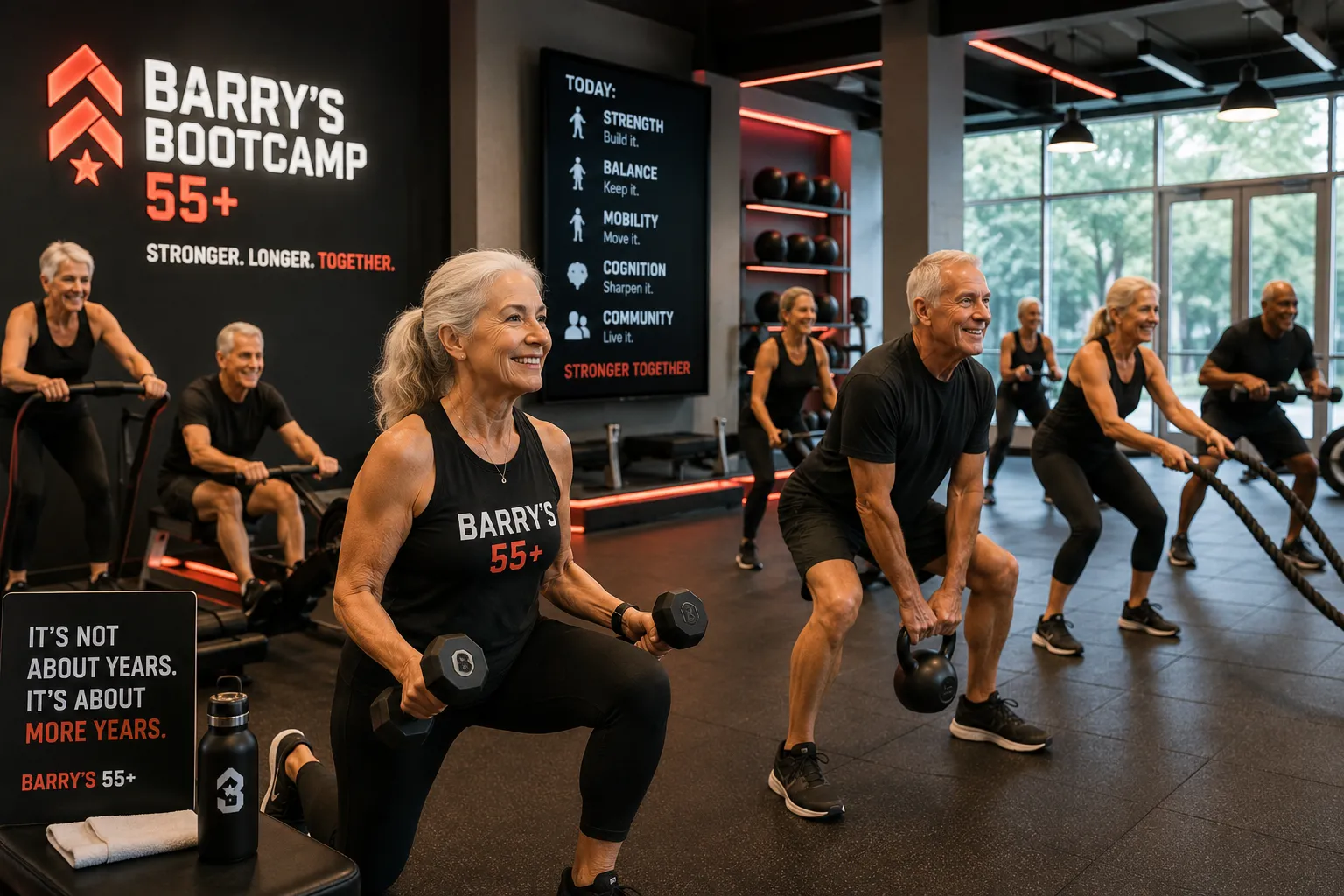
Fitness brands have obsessed over making workouts harder. Almost nobody has built one around helping people stay independent longer. Imagine a Barry's Bootcamp designed specifically for adults over 55, combining low-impact strength training, balance, mobility, flexibility, cognitive exercises, and social connection into one premium experience. The real product isn't six-pack abs—it's preventing falls, maintaining independence, and giving people a community they actually look forward to seeing every week. As the population ages, preventative health becomes dramatically cheaper than reactive healthcare, and insurers are increasingly incentivized to keep members active. Start with one flagship studio, build a beloved brand around healthy aging, then expand through franchising, employer benefits, and Medicare Advantage partnerships. The biggest fitness movement of the next decade may not target twenty-year-olds at all—it may help seventy-year-olds feel thirty years younger.
Description
No additional description provided.
The Pitch
Most products for older adults are either medicalized, stigmatizing, or designed around decline. The opening is to create something that treats longevity as aspirational rather than remedial. People do not want to be reminded they are fragile. They want a place where taking care of their future body feels like a source of pride, identity, and status.
The unusually powerful wedge is that the customer is not buying exercise in the abstract. They are buying confidence in specific moments: stepping off a curb, lifting a suitcase, getting out of a chair, playing with grandchildren, traveling without fear, living at home longer. That makes the value much easier to feel than in conventional fitness, where the payoff is often aesthetic and distant. Independence is an emotional product with practical consequences, and few consumer brands have claimed it directly.
This business also benefits from a rare alignment between what people want and what the healthcare system needs. Falls, frailty, isolation, and loss of mobility are enormously expensive, but they are also partly preventable through consistent behavior. The hard part is not knowing what interventions work; it is getting people to show up for them repeatedly. A beloved physical place with skilled instruction and peer accountability could become the missing behavioral layer between clinical advice and everyday life.
The social component may be the deepest moat. For many older adults, the gym is not competing with other gyms; it is competing with loneliness, shrinking routines, and the quiet loss of public identity after retirement or children leaving home. If the experience becomes part workout, part club, part weekly ritual, it can create retention that is less about discipline and more about belonging. The class is valuable, but the reason people keep coming may be the people expecting them there.
The broader cultural timing is favorable because the meaning of age is changing faster than the institutions serving it. A 68-year-old today may still be working, dating, traveling, caring for parents, supporting adult children, and expecting decades of active life ahead. The brands that understand this will not speak to “seniors” as a category of limitation. They will speak to capable adults who are making a deliberate investment in the next version of themselves.