Predictive Digital Twins for Proactive City Management
Cities, factories, energy grids, and farms are still reactive because they lack predictive models. The opportunity is a platform that builds live digital twins using real-time IoT feeds, satellite data, and simulations—then continuously runs “what-if” scenarios for maintenance, disaster planning, and optimization. Why now? Sensors have become ubiquitous and AI can now simulate outcomes before they happen. Picture a city predicting water main breaks weeks before they occur or an airport dynamically re-routing traffic to prevent delays. It’s planning and operations as prediction—not hindsight.
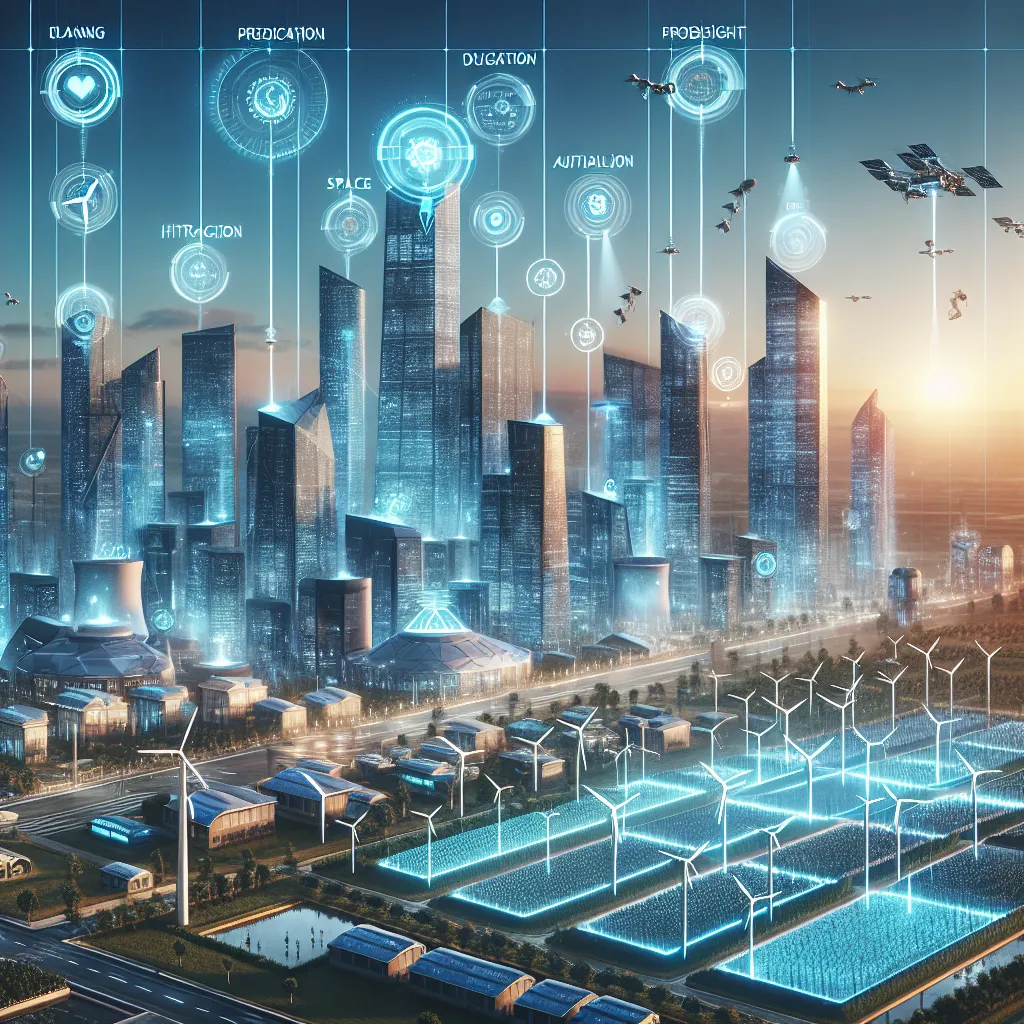
Description
No additional description provided.
The Pitch
In an era where technology continues to advance at an unprecedented pace, cities, factories, energy grids, and farms find themselves at a crossroads. Despite possessing significant data-generating capabilities, these systems still operate in a reactive manner due to the absence of robust predictive models. This gap presents a unique opportunity to revolutionize how these entities function by leveraging modern technological advancements.
Backstory:
Historically, urban and industrial planning has relied heavily on historical data and forecasts that often fail to account for dynamic changes and unforeseen events. This approach has resulted in inefficiencies and a lack of proactive measures to address potential issues. The evolution of technology now enables us to predict potential disruptions and optimize operations through real-time data.
Problem:
Current systems are often blind to the early warning signs of potential failures or inefficiencies, forcing them to react only after issues have become apparent. This leads to costly repairs, downtime, and suboptimal operations. The inability to predict and mitigate risks related to maintenance, disaster planning, and resource optimization is a significant constraint on economic growth and sustainability.
Solution:
Introducing a platform that constructs live digital twins using real-time IoT feeds, satellite data, and advanced simulations. This platform will continuously perform 'what-if' scenarios to aid with maintenance, disaster planning, and operational optimization. By doing so, entities can transition from reactive management to predictive and proactive strategies.
Product Details:
1. Core Features: - Real-Time Data Integration: Seamlessly integrates data from IoT devices and satellite feeds to create dynamic digital representations. - Predictive Modeling: Utilizes AI to simulate future outcomes and assess potential risks. - Scenario Analysis: Provides tools to run various hypothetical scenarios to predict impacts and devise strategies. - Interactive Dashboard: Offers users a visual and intuitive interface to monitor and interact with digital twins.
2. Key Technologies: - IoT Sensors: Collect real-time data from various sources. - Artificial Intelligence: Employs machine learning algorithms to predict outcomes. - Cloud Computing: Facilitates scalable data processing and storage. - Simulation Engines: Run complex 'what-if' analyses for strategic planning.
Tools for Launch:
To bring this solution to market, the following tools could help accelerate the development and launch as a Minimum Viable Product:
- Cloud Services: Platforms like AWS or Azure for scalable infrastructure. - Data Visualization Tools: Tools like Tableau or PowerBI for crafting user-friendly interfaces. - AI Frameworks: Libraries such as TensorFlow or PyTorch for building predictive models. - IoT Platforms: Solutions like Cisco IoT Cloud or Google Cloud IoT for managing device connectivity.
Go-To-Market Strategy:
1. Target Audience: Focus on municipal governments, large manufacturing plants, utility companies, and agricultural cooperatives. 2. Pilot Programs: Initiate partnerships with key stakeholders for pilot programs to showcase the platform's capabilities. 3. Conferences and Expositions: Attend industry events to demonstrate the platform and network with potential clients. 4. Digital Marketing: Leverage social media, industry blogs, and online webinars to increase visibility and generate interest.
Business Model:
1. Subscription Service: Offer a tiered subscription model based on the size and requirements of the client, ensuring scalability and adaptability. 2. Consulting Services: Provide premium consulting services for customization and integration with existing systems. 3. Training and Support: Offer ongoing training sessions and technical support as an additional revenue stream, enhancing customer satisfaction and retention.
Conclusion:
By integrating the latest advancements in technology with strategic urban and industrial planning, we can move towards a future where data not only informs actions but also predicts challenges, thereby optimizing operations and ensuring sustainability. The proposed platform has the potential to transform traditional approaches into forward-thinking solutions that anticipate and mitigate risks before they materialize.