Predict Event Success Through Behavioral Analysis
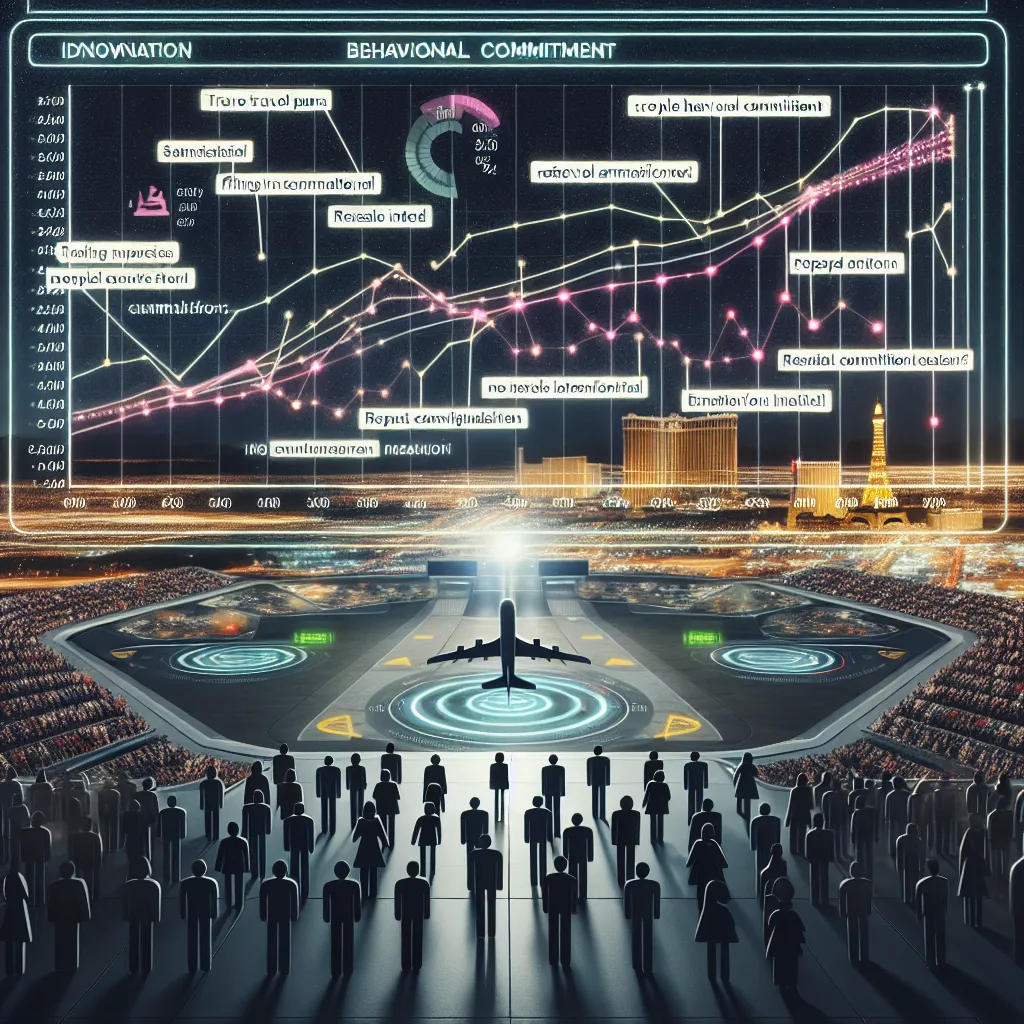
Event success is usually judged after ticket sales or attendance numbers, which is already too late. This startup predicts breakout outcomes by tracking behavioral commitment language — travel plans, resale intent, repeat attendance, and emotional justification — rather than hype. This works now because people publicly coordinate plans online, leaving a clear trail of conviction. For example, detecting hundreds of comments about flying internationally for a new Vegas show signals a hit before sell-out data confirms it.
Description
No additional description provided.
The Pitch
In an era where live events are becoming increasingly competitive, organizers often rely on ticket sales and attendance numbers to assess success. However, these indicators are reactive and only provide insights after the fact. There is a growing need for predictive tools that provide insights before events occur. This initiative focuses on utilizing a novel approach to forecast event success by analyzing behavioral commitment language, allowing organizers to optimize their events proactively.
Backstory: Event managers and organizers have long faced the dilemma of understanding their audience's intentions only after the fact. Traditional metrics like ticket sales offer delayed insights, often after significant resources have been expended. With the rise of social media and digital communication, people are now publicly coordinating plans and expressing intentions online. This offers a unique opportunity to track and analyze real-time data to predict event success and fine-tune strategies before the event date.
The Problem: The existing model of relying on ticket sales data and attendance numbers as primary success indicators is flawed. It often results in missing the opportunity to react to an event’s potential and optimize outcomes. This approach doesn't account for the audience's interests, travel plans, and emotional engagement before the event, leading to potential financial losses and missed opportunities for growth.
The Solution: By tracking behavioral commitment language, this startup proposes a solution that leverages publicly shared data to predict event success proactively. Analyzing patterns in travel plans, resale intent, repeat attendance considerations, and emotional justification provides insights before traditional data confirms a trend. For instance, a spike in online discussions about traveling to a concert or an increase in ticket reselling can signal high demand, allowing organizers to adjust strategies accordingly.
Product Details: The product is a predictive analytics platform named EventPredict, which utilizes advanced algorithms to mine social media, forums, and other online platforms for behavior-indicating language patterns. Features include: - Real-time data analysis dashboard - Predictive models for upcoming events - Insights into audience travel plans and resale activities - Emotional sentiment analysis
Tools for Launch: - Data Collection: Use APIs and web crawling tools to gather data from platforms like Twitter, Facebook, Reddit, and event-specific forums. - Data Processing: Leverage natural language processing (NLP) tools like Python's NLTK or SpaCy to analyze textual data effectively. - Predictive Modeling: Use machine learning frameworks like TensorFlow or Scikit-learn to develop predictive algorithms. - User Interface: Design a user-friendly interface using front-end frameworks such as React or Angular for intuitive data visualization.
Go-to-Market Strategy: - Target Audience: Focus on event organizers, promoters, and marketing agencies initially. - Partnerships: Collaborate with ticketing platforms to integrate predictive analytics. - Initial Rollout: Launch a pilot with a select group of large-scale event organizers. - Marketing Campaign: Use case studies to showcase the value of predictive insights, employing digital marketing strategies to reach potential clients. - Feedback Loop: Collect user feedback to fine-tune the platform's features and improve user experience.
Business Model: - Subscription-based: Offer tiered subscription plans based on event size and frequency of use, providing access to varying levels of analytical depth. - Pay-per-Use: Allow smaller organizers to access the platform on a pay-per-use basis for specific events. - Enterprise Licensing: Provide licensing options for larger organizations needing comprehensive integration into existing systems.
This approach and solution present a groundbreaking way for event organizers to predict success and optimize outcomes, transforming the event management landscape with data-driven insights.