Precision Medicine Through Nanoscale Cell Tattooing
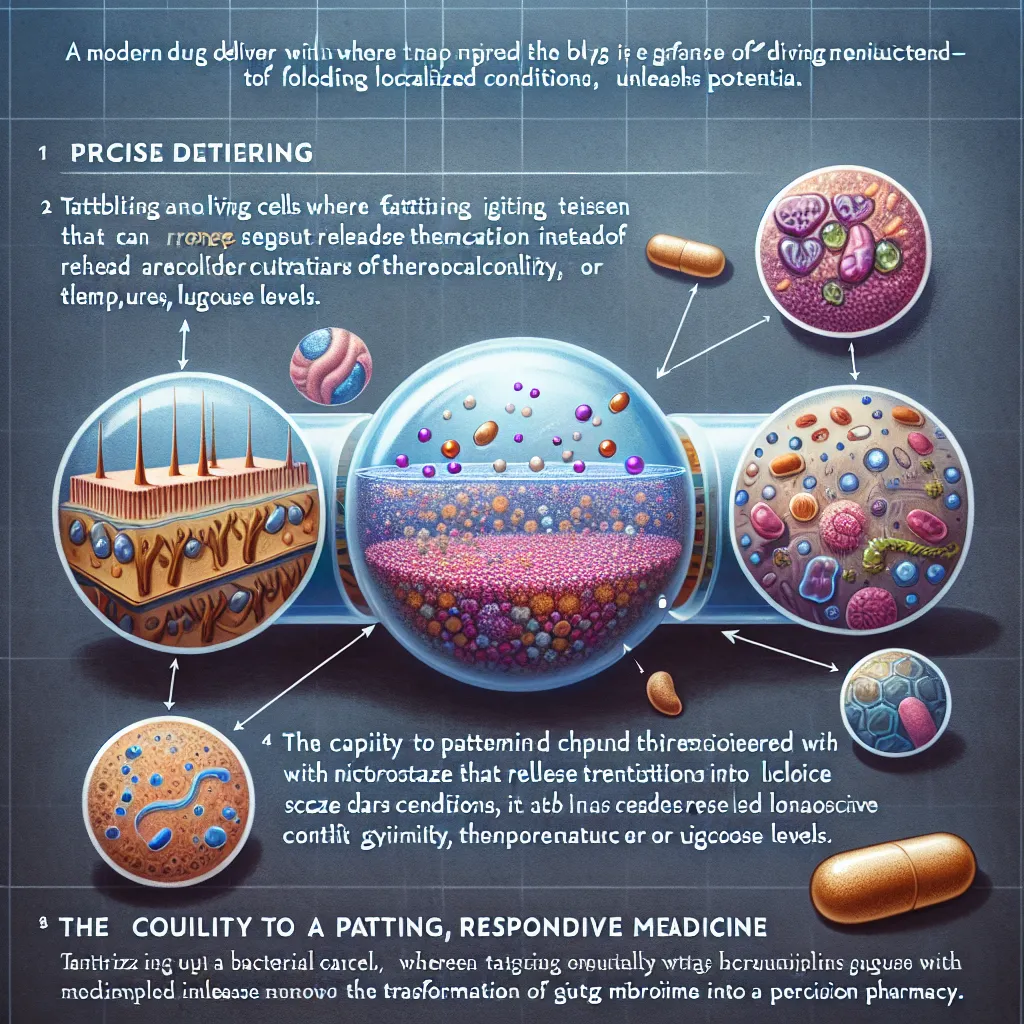
Modern drug delivery is often imprecise, flooding the body with medication instead of targeting specific areas or responding to biological signals. A smarter approach is to tattoo living cells or surfaces with nanoscale structures that release treatments in response to localized conditions—like acidity, temperature, or glucose levels. The recent ability to pattern living tissue opens up this possibility. Imagine a probiotic capsule where each bacterial cell is engineered and micro-patterned to deliver insulin when glucose rises—turning your gut microbiome into a precision pharmacy. It’s a natural fit for the next phase of personalized, responsive medicine.
Description
No additional description provided.
The Pitch
The field of medicine is inching towards greater precision and personalization. However, current drug delivery methods often lack finesse, administering broad-spectrum treatment that affects the entire body rather than zeroing in on specific sites. This broad approach can lead to unnecessary side effects and inefficiencies. In recent years, breakthroughs in biotechnology have allowed scientists to pattern living tissues at a nanoscale level, paving the way for more precise medical interventions.
Problem: The conventional methodologies in drug delivery fall short in precision. When a patient takes medication, it disperses throughout the body, impacting areas unnecessarily and often triggering adverse side effects. This approach does not adapt to the dynamic conditions within the body that might affect the drug's efficacy, such as changes in pH levels, temperature, or glucose concentration. The lack of targeted delivery is particularly challenging for chronic conditions such as diabetes, where the regulation of blood sugar levels is critical.
Solution: The innovative solution lies in harnessing the advancements in micro-patterning technology to create living cells or surfaces that are capable of deploying therapeutic agents in response to specific biological signals. Imagine a scenario where a probiotic capsule is ingested, and the engineered bacteria within are designed to release insulin when they detect elevated glucose levels. This approach transforms the human microbiome into a smart, responsive medical assistant.
Product Details: 1. Engineered Probiotic Capsule: This product comprises probiotic bacteria that are genetically engineered to be sensitive to glucose levels. Using nanoscale tissue patterning, the bacteria are structured to release insulin molecules when high glucose is detected.
2. Responsive Bio-ink: The core technology, drawing from recent advancements, involves a bio-ink capable of imprinting nanoscale patterns on living cells. This ink enables precise control over bacterial behavior, ensuring reliable and consistent release of drugs when triggered by specific conditions.
3. Delivery System: The capsules are designed for oral ingestion, ensuring convenience and ease of use. Once in the digestive system, they engage directly with the gut microbiome, acting as an internal monitor and dispenser of medication as needed.
Tools for MVP Launch: 1. CRISPR Gene Editing: Utilize CRISPR technology to modify bacterial DNA, making them sensitive to specific bodily conditions. 2. Microfluidic Devices: Employ microfluidic technology for the precise patterning of bacteria in a controlled environment. 3. Prototype Design Software: Use software like CAD tools for designing the capsule and simulating its behavior in various conditions. 4. Bioreactors: These are necessary for cultivating the engineered bacteria at a sufficient scale for testing and eventual production.
Go-To-Market (GTM) Strategy: 1. Target Market: Initially target individuals with Type 1 and Type 2 diabetes, given the critical need for precise insulin management. 2. Partnerships: Collaborate with biotech companies and academic institutions to further refine the technology and integrate it into existing medical systems. 3. Clinical Trials: Conduct extensive clinical trials to validate efficacy and safety, engaging with regulatory bodies early in the process. 4. Awareness Campaigns: Launch educational campaigns to inform healthcare providers and patients about the benefits and workings of responsive bio-delivery systems.
Business Model: 1. Subscription Service: Offer a subscription model for patients, providing a regular supply of engineered probiotic capsules tailored to their needs. 2. Licensing Agreements: License the micro-patterning technology to other biotech companies interested in creating similar responsive therapies. 3. Consultancy Services: Provide expertise to institutions aiming to develop and implement smart drug delivery systems.
Conclusion: The advent of precision bio-delivery marks the next frontier in personalized medicine, offering therapies that are not only responsive but also tailored to individual patient needs. By leveraging cutting-edge biotechnologies, this approach promises to transform how we manage chronic conditions and paves the way for a healthier future.