Power-Positive Datacenters: Boosting Local Energy Resources
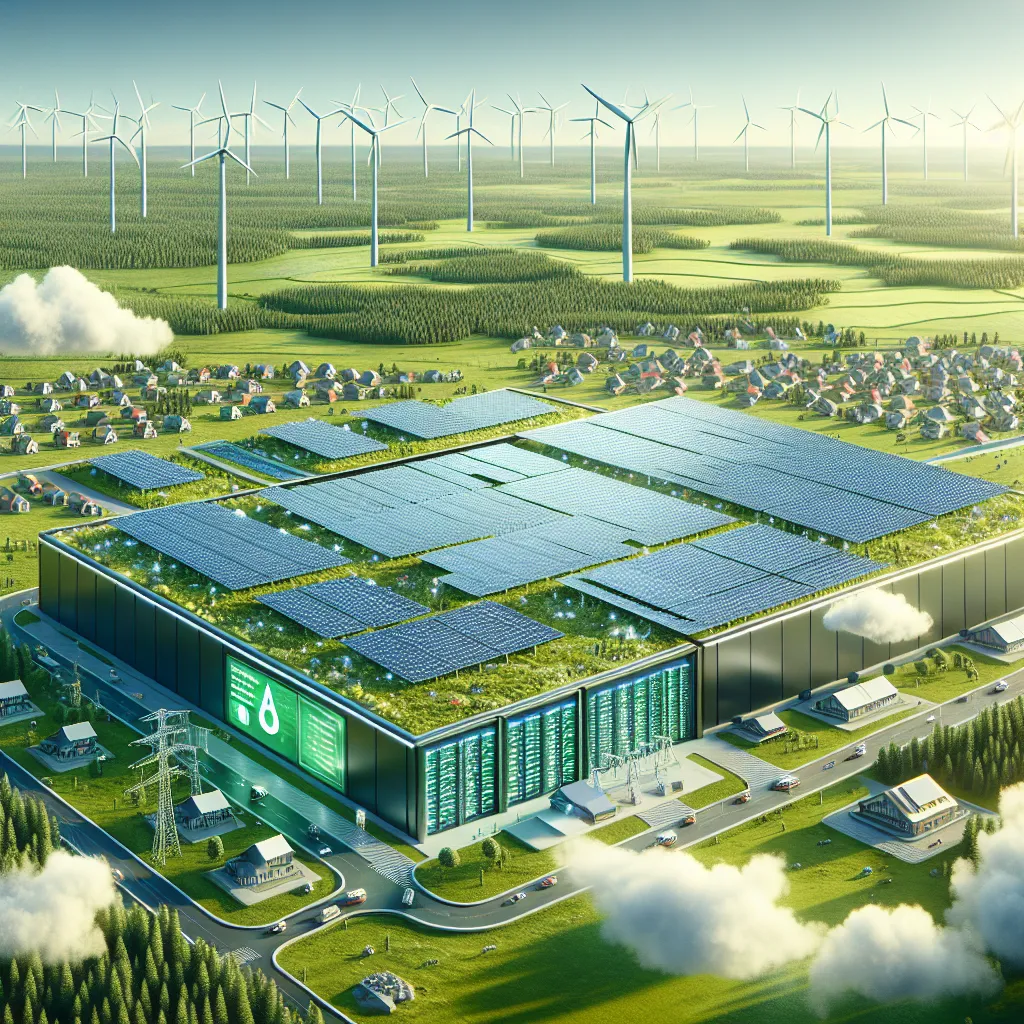
Datacenters are often rejected because they appear extractive. Power-positive community datacenters are designed to guarantee excess energy exports to surrounding towns, turning compute infrastructure into a local energy asset. This becomes realistic as solar-overbuilt facilities regularly overproduce. A municipality could approve a datacenter because it reliably lowers electricity prices for residents.
Description
No additional description provided.
The Pitch
In recent years, the rise of digital infrastructure has been both a boon and a bane. While data centers serve as the backbone for our increasingly digital society, their establishment is often met with resistance from local communities. The primary concern is their high energy consumption, which can strain local resources and lead to increased electricity prices. As a result, data centers are sometimes viewed as extractive rather than beneficial for the communities in which they are situated.
Problem
Traditional data centers are perceived as energy hogs that prioritize computational capacity over environmental and community welfare. This perception makes it difficult for tech companies to secure approval for new data center projects, particularly in regions where community and environmental impact are significant concerns. The challenge is to find a way to align the interests of data center operators with those of the surrounding communities, ensuring mutual benefits.
Solution
The concept of power-positive community data centers seeks to transform the role of data centers by integrating them into the community's energy ecosystem. The idea is to build data centers with solar-overbuilt facilities, meaning they generate more energy than they consume, allowing them to export excess energy to the surrounding towns. This shift has the potential to turn compute infrastructure into a local energy asset, as municipalities could approve data centers based on their ability to lower electricity prices for residents.
Product Details
Power-positive community data centers incorporate the following key features:
1. Solar-Overbuilt Facilities: Equipped with extensive solar panel installations, these data centers harness renewable energy to meet their operational needs and generate surplus energy.
2. Energy Export Capability: Advanced energy management systems facilitate the export of excess energy to local grids, directly benefiting the surrounding community.
3. Energy Efficiency Optimization: State-of-the-art cooling and power management systems minimize energy usage, enhancing overall efficiency.
4. Community Partnership Programs: Initiatives and incentives for local stakeholders to participate in and benefit from the data center’s operations.
5. Transparent Reporting: Regular updates and reports on energy production, consumption, and community impact.
Tools for Easy Launch as an MVP
To launch this concept as a Minimum Viable Product, consider the following tools and strategies:
1. Energy Management Software: Utilize platforms like EnergyHub or Enphase Enlighten to monitor and manage solar energy production and distribution.
2. Partnership with Solar Panel Providers: Collaborate with companies like SunPower or Canadian Solar for high-efficiency solar panel installations.
3. Cloud-Based Data Management: Implement cloud infrastructure from providers such as AWS or Google Cloud to handle computational tasks flexibly.
4. Local Stakeholder Engagement: Use tools like SurveyMonkey to gather community feedback and ensure the data center's operations align with local needs.
5. Analytics Platforms: Leverage tools such as Tableau or Power BI for transparent reporting and data visualization.
Go-To-Market Strategy (GTM)
1. Community Outreach: Launch awareness campaigns to educate local residents and stakeholders about the benefits of a power-positive data center.
2. Pilot Program: Develop a small-scale pilot with select communities to demonstrate the concept's viability and garner support.
3. Strategic Partnerships: Collaborate with local governments and utility companies to integrate the data center into existing energy infrastructures.
4. Marketing and Public Relations: Highlight success stories and showcase environmental and economic benefits through various media channels.
5. Networking: Attend industry conferences and engage with leaders in renewable energy and technology to build credibility and interest.
Business Model
The business model of power-positive community data centers revolves around a dual revenue stream:
1. Energy Sales: Generate revenue by selling excess energy to local grids or through power purchase agreements with utility companies.
2. Data Services: Offer competitive cloud computing and data storage services to businesses and organizations.
Additional revenue can be generated through government incentives for renewable energy projects and potential tax benefits.
Conclusion
Power-positive community data centers represent a new paradigm in the way we view and leverage digital infrastructure. By aligning the needs of data centers with those of local communities, it becomes possible to transform potential obstacles into opportunities, paving the way for sustainable growth and shared prosperity.