Pop-Up Water Parks: Affordable Family Fun
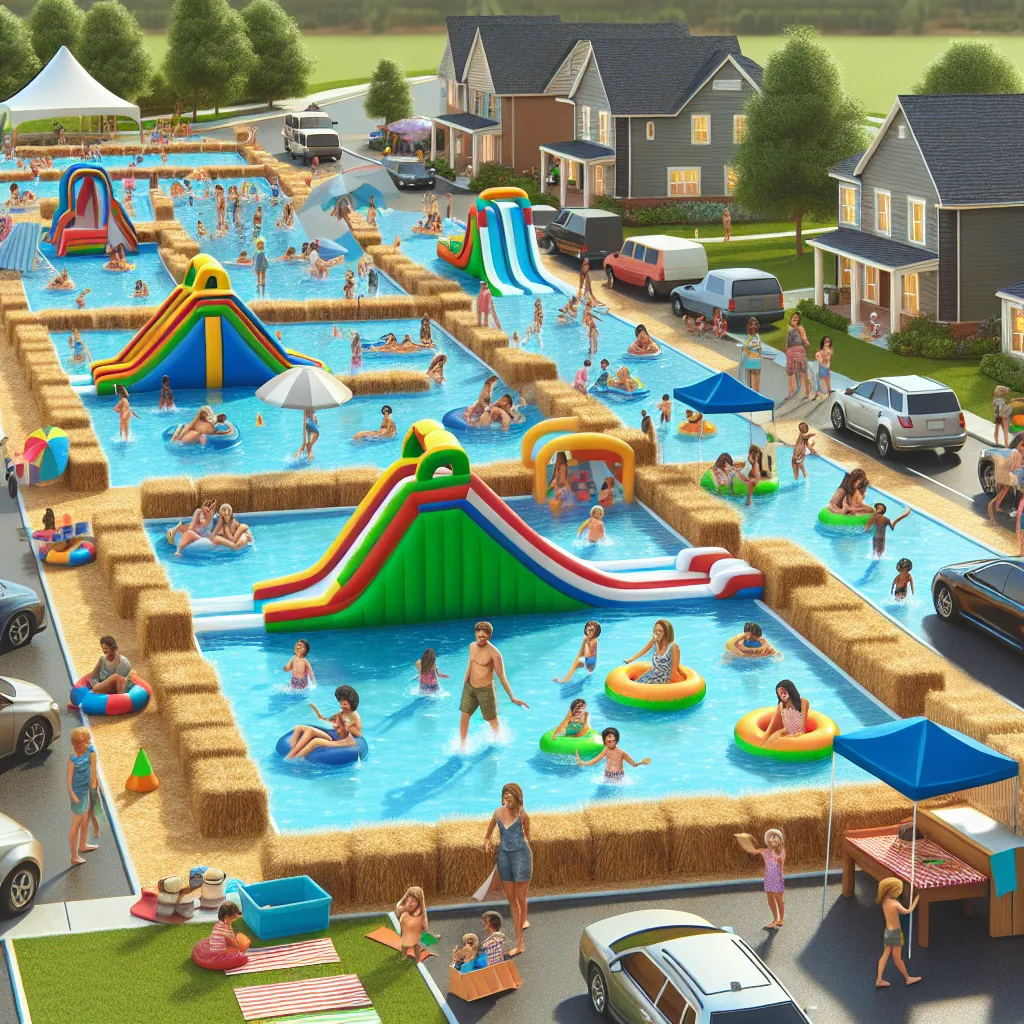
Families are always looking for affordable, fun outdoor experiences, but permanent water parks are expensive and far away for many. Setting up a pop-up water park using rented land, plastic sheeting, hay bales, and inflatable slides offers a low-cost solution that can go viral. This can start as a side hustle with potential to scale into a regional business. For instance, setting up weekend-only pop-up parks during summer months in suburban areas could attract hundreds of families per event.
Description
No additional description provided.
The Pitch
Families often seek affordable and engaging outdoor experiences, especially during the warmer months. However, conventional water parks are frequently expensive, crowded, and located far from suburban and rural areas. The concept of pop-up water parks offers a creative and affordable alternative, providing families with convenient access to fun-filled days without the need for long-distance travel.
**Backstory**
In recent years, there has been a growing trend towards pop-up events—from food festivals to retail spaces. These events leverage temporary setups to bring unique experiences directly to communities, circumventing the logistical challenges associated with permanent installations. Inspired by this trend, the idea of a pop-up water park was born, aiming to deliver an idyllic and economical escape for families closer to home.
**Problem**
Permanent water parks present multiple challenges: - High construction and maintenance costs - Limited geographical accessibility, often requiring families to travel long distances - Congestion during peak periods, leading to overcrowded and less enjoyable experiences
These factors often deter families from visiting traditional water parks, creating a demand for more accessible alternatives.
**Solution**
A pop-up water park is the perfect solution to these challenges, offering: - Reduced costs through temporary setups and materials - Flexibility to move between various communities, providing localized access - A unique and engaging experience that can be easily customized
**Product Details**
Planning a pop-up water park involves: - Securing rented land in accessible suburban or rural areas - Utilizing cost-effective materials such as plastic sheeting, hay bales for safety barriers, and inflatable slides - Providing ancillary attractions like food stalls and shaded rest areas
**Tools for MVP Launch**
To launch a Minimum Viable Product (MVP): - Identify suitable locations through research and community outreach - Collaborate with local suppliers for equipment and material rentals - Hire temporary staff or volunteers to manage operations and ensure safety - Utilize social media platforms for targeted marketing and community engagement - Implement online ticketing systems using platforms like Eventbrite to streamline entry and manage visitor numbers
**Go-To-Market (GTM) Strategy**
- Initiate a buzz via social media campaigns targeting local family groups and influencers - Partner with local businesses to create package deals or promotions - Host preview events exclusively for community leaders and media to generate word-of-mouth - Offer competitive pricing to build initial traction and repeat visits
**Business Model**
Revenue opportunities include: - Ticket sales: Offer single-day, family, and group passes - Concessions: Partner with local vendors for food and merchandise sales - Sponsorship: Collaborate with brands targeting family-oriented markets for advertising space and branded experiences
Building a pop-up water park presents an exciting opportunity to tap into an underserved market with a solution that is both innovative and practical. By addressing key customer needs and leveraging strategic tools and partnerships, this concept is primed for success as a scalable regional business.