Pop-Up Coworking Spaces in Unused Retail Areas
Malls and empty storefronts have unused square footage, while remote workers crave variety. This startup partners with landlords to turn underused retail spots into day-rate coworking pop-ups — desks, Wi-Fi, coffee. The trend: flexible space utilization is booming (see Peerspace, Storefront). For example, a downtown boutique closes Mondays. The pop-up coworking group takes over weekly, selling 25 day passes and keeping the space alive.
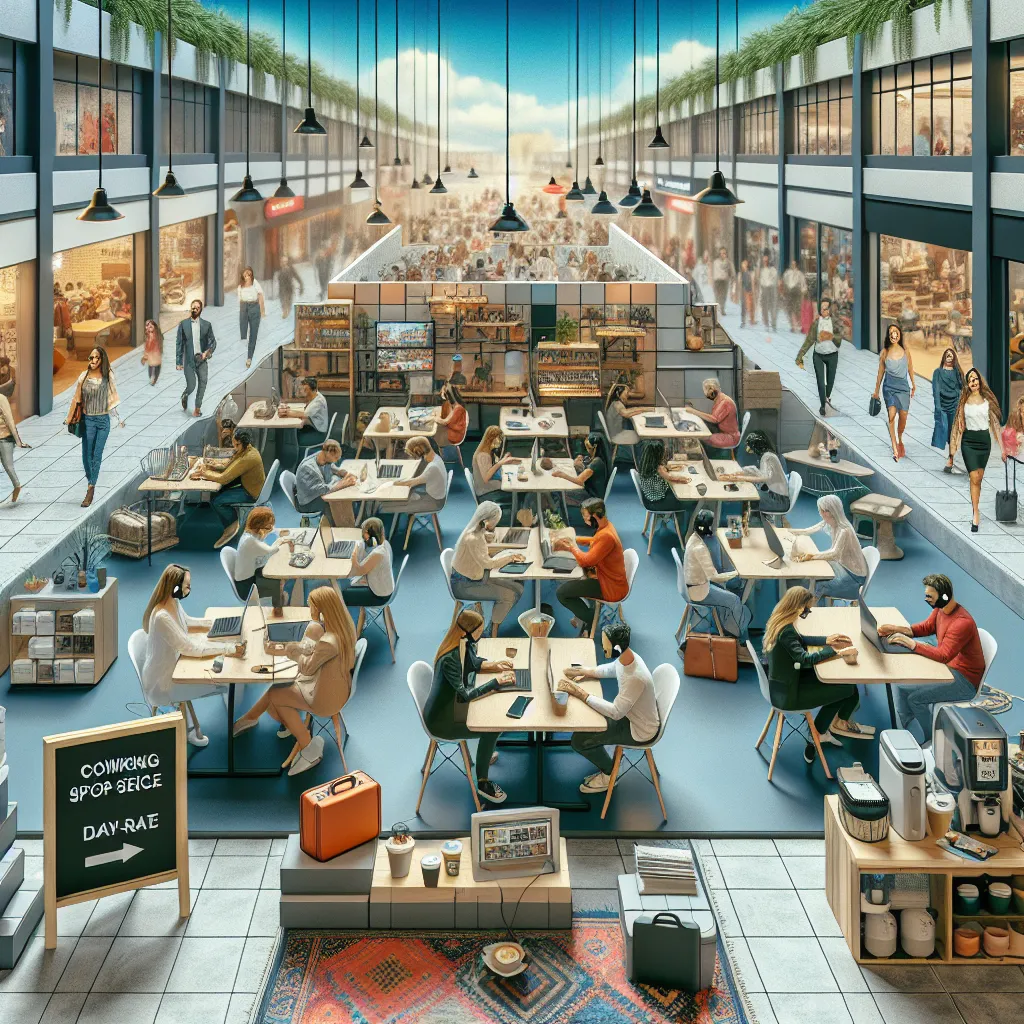
Description
No additional description provided.
The Pitch
Many shopping malls and storefronts are grappling with unused square footage, especially in an era where physical retail space is undergoing significant transformation. Concurrently, the modern workforce, driven by a rise in remote work, is seeking diverse and flexible working environments to break the monotony of working from home. Herein lies a unique opportunity to address two problems: the underutilization of retail space and the demand for flexible coworking spots.
Problem:
1. Commercial property owners struggle with vacant or underperforming retail spaces, leading to significant financial strain and reduced foot traffic. 2. Remote workers desire variety and community in their work environments, often feeling disconnected and unproductive at home. 3. Small businesses are unable to afford long-term leases in prime locations but desire periodic access to such spaces.
Solution:
This initiative proposes partnering with commercial landlords to transform underutilized retail spaces into dynamic, day-rate coworking pop-ups. By converting empty storefronts, boutiques, or sections of malls into temporary coworking hubs, we can breathe new life into these areas while providing remote workers and small business owners with varied and flexible working environments.
Product Details:
1. Flexible Coworking Pop-ups: Quick setup spaces equipped with desks, Wi-Fi, charging stations, and basic office supplies. 2. Amenities: Complimentary coffee, snacks, and access to collaboration tools. 3. Booking System: An intuitive online platform for booking day passes or memberships, scheduling space usage, and adding amenities such as conference rooms. 4. Customization Options: Ability for owners and businesses to brand or tailor the space during their use. 5. Analytics Dashboard: For landlords to gain insights into space utilization and user demographics, aiding future space optimization and strategy.
Tools to Launch as an MVP:
1. Space Setup: Partnering with companies that specialize in modular furniture and technology setups for swift installations. 2. Booking Platform: Utilizing platforms like Skedda or the development of a custom booking system that tracks inventory and manages billing. 3. Marketing: Collaborating with companies such as Canva for content creation and targeted ad campaigns to generate initial interest. 4. Community Engagement: Using platforms like Slack or Discord to create a virtual community that enhances user experience and fosters networking opportunities.
Go-to-Market (GTM) Strategy:
1. Pilot Program: Launch pilot coworking spaces in high-foot-traffic areas with known vacancy issues. Offer initial discounts or free trials to gather user feedback and refine the service. 2. Partnerships: Collaborate with landlords, real estate companies, and local businesses to expand reach and visibility. Leverage these relationships to negotiate favorable terms and expand into strategic locations. 3. Digital Marketing: Use SEO-optimized content, social media, and influencer partnerships to reach remote workers and small business owners. 4. Local Engagement: Host events and workshops in spaces to drive community involvement and cross-promotion with local enterprises. 5. User Testimonials: Gather testimonials from early adopters to build credibility and demonstrate value to future customers.
Business Model:
This startup will operate on a revenue-sharing model with space owners. The structure will involve:
1. Day Rate Passes and Memberships: Revenue from daily passes and monthly memberships. 2. Revenue Sharing: A percentage of earnings from each coworking day goes to the property owners, creating a mutually beneficial arrangement. 3. Additional Services: Offering premium amenities and services for an extra fee, such as dedicated desks, meeting rooms, and on-site printing. 4. Subscription Model: Develop a tiered subscription model that offers added benefits and reduces day pass pricing for frequent users.
Conclusion:
By converting underutilized commercial spaces into vibrant coworking environments, we address the growing need for flexible work solutions while simultaneously revitalizing and monetizing idle retail locations. This innovative approach not only benefits property owners and remote workers but also creates synergistic opportunities within local communities and economies, positioning it as a compelling venture in the evolving landscape of work and real estate.