Pop Culture Study Guides for Gen Z
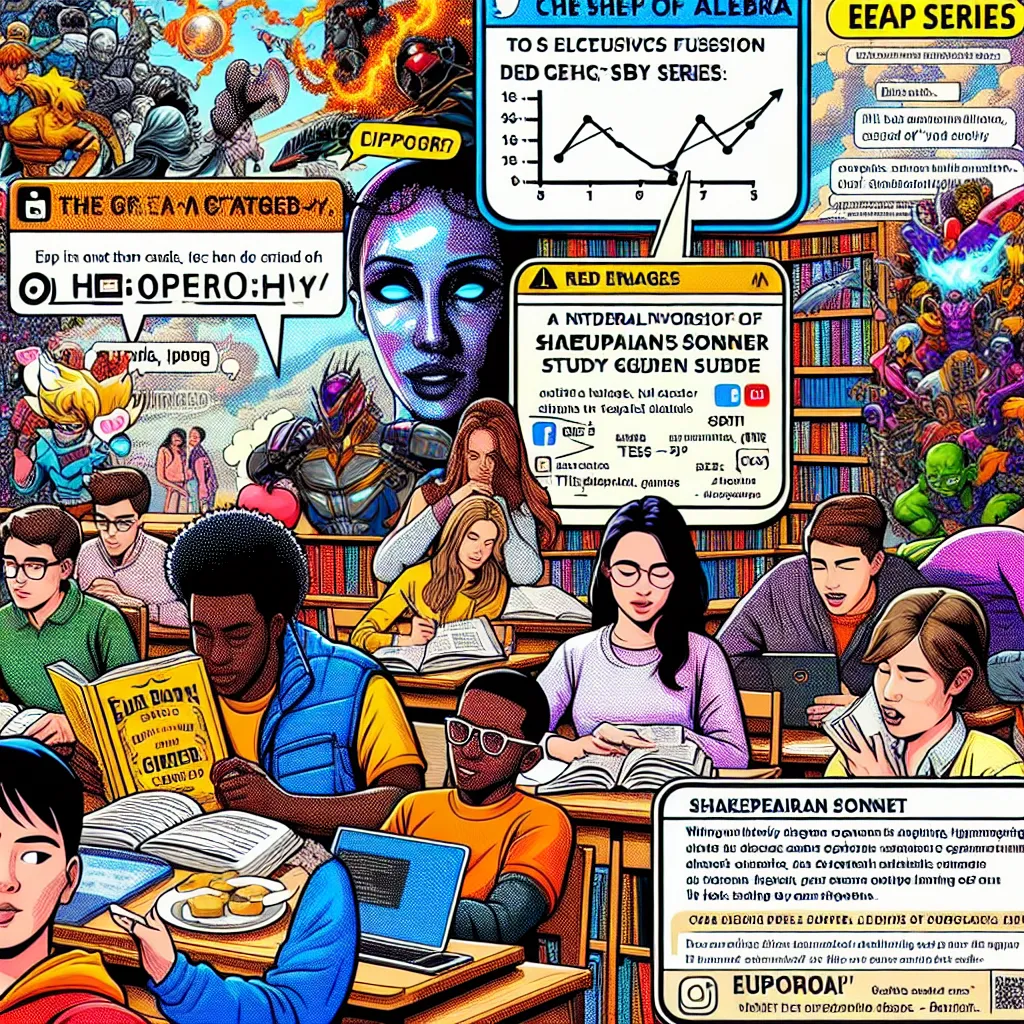
Students love TV, movies, and pop culture — but most study tools are boring. This startup creates study guides and cheat sheets using pop culture references to explain academic concepts: algebra via Marvel, Shakespeare via Euphoria. The trend: Gen Z learning is meme-heavy and nonlinear. For example, a guide to The Great Gatsby gets rewritten as an Instagram tea page with character DMs, red flags, and spoiler alerts. A student actually reads it — and remembers the themes.
Description
No additional description provided.
The Pitch
For those looking to embark on an entrepreneurial journey that merges education with entertainment, consider this concept: transforming traditional study materials into engaging, pop culture-infused guides that cater to today's digital-native students.
Background: In recent years, the landscape of education has evolved dramatically. With the rise of social media, streaming platforms, and interactive digital content, Generation Z is learning differently from previous generations. They are drawn to visuals, memes, and nonlinear storytelling. Despite this shift in learning preferences, many study tools remain conventional and fail to capture the interest of modern students. The gap between the engaging content they consume on a daily basis and their study materials presents an opportunity for innovation.
Problem: Traditional study resources often lack engagement and fail to resonate with students who are used to the dynamic and interactive nature of digital content. This disconnect can make it challenging for students to stay motivated, absorb complex concepts, and retain information. Educators and students are seeking creative solutions that bridge this gap and make learning both enjoyable and effective.
Solution: The proposed solution is to develop study guides and cheat sheets that utilize pop culture references to explain academic concepts. By integrating elements from popular TV shows, movies, and social media trends, educational content can become more relatable and memorable. For instance, algebra concepts can be illustrated through storylines from Marvel movies, while Shakespeare's plays can be analyzed through the lens of a contemporary TV series like Euphoria.
Product Details: These study guides would be designed in various formats, including digital booklets, infographics, and interactive web platforms. A guide for a classic novel like The Great Gatsby could be presented as an Instagram-style page, complete with character DMs, modern annotations, and visual summaries. These materials would not only aid in comprehension but also encourage students to engage more critically with the content.
Tools for MVP Launch: To quickly bring this concept to market as an MVP, several tools and platforms can be utilized:
1. Content Creation: Use design tools such as Canva or Adobe Spark to create visually appealing educational materials. 2. Digital Distribution: Launch the study guides as e-books or web-based content using platforms like Gumroad or WordPress. 3. Interactive Elements: Incorporate interactive quizzes and assessments using tools like Typeform or Kahoot. 4. Feedback and Iteration: Use platforms like SurveyMonkey or Google Forms to gather user feedback and iterate on the product.
Go-to-Market Strategy: To effectively reach the target audience, the go-to-market strategy should include:
1. Influencer Partnerships: Collaborate with educational influencers and content creators on platforms like TikTok and Instagram to showcase the product's unique approach. 2. Social Media Campaigns: Develop viral and shareable content that highlights how study guides incorporate pop culture to make learning fun. 3. School Partnerships: Partner with schools and educational institutions to offer free trials or demos, gaining endorsements from educators. 4. Community Building: Foster a community around shared learning experiences through forums or dedicated social media groups.
Business Model: The business model could include a subscription service offering access to a library of study guides across various subjects and themes. Alternatively, a freemium model could be adopted, where basic content is free and premium, in-depth guides come at a cost. Upselling personalized tutoring sessions or interactive classes could also provide additional revenue streams.
In conclusion, this innovative approach to education aligns with the evolving preferences of Gen Z learners by blending academic content with the narratives and formats they engage with daily. By launching a product that is as informative as it is entertaining, this concept has the potential to transform how students interact with their studies and retain knowledge.