Pollution-Informed Life Insurance for Non-Smokers
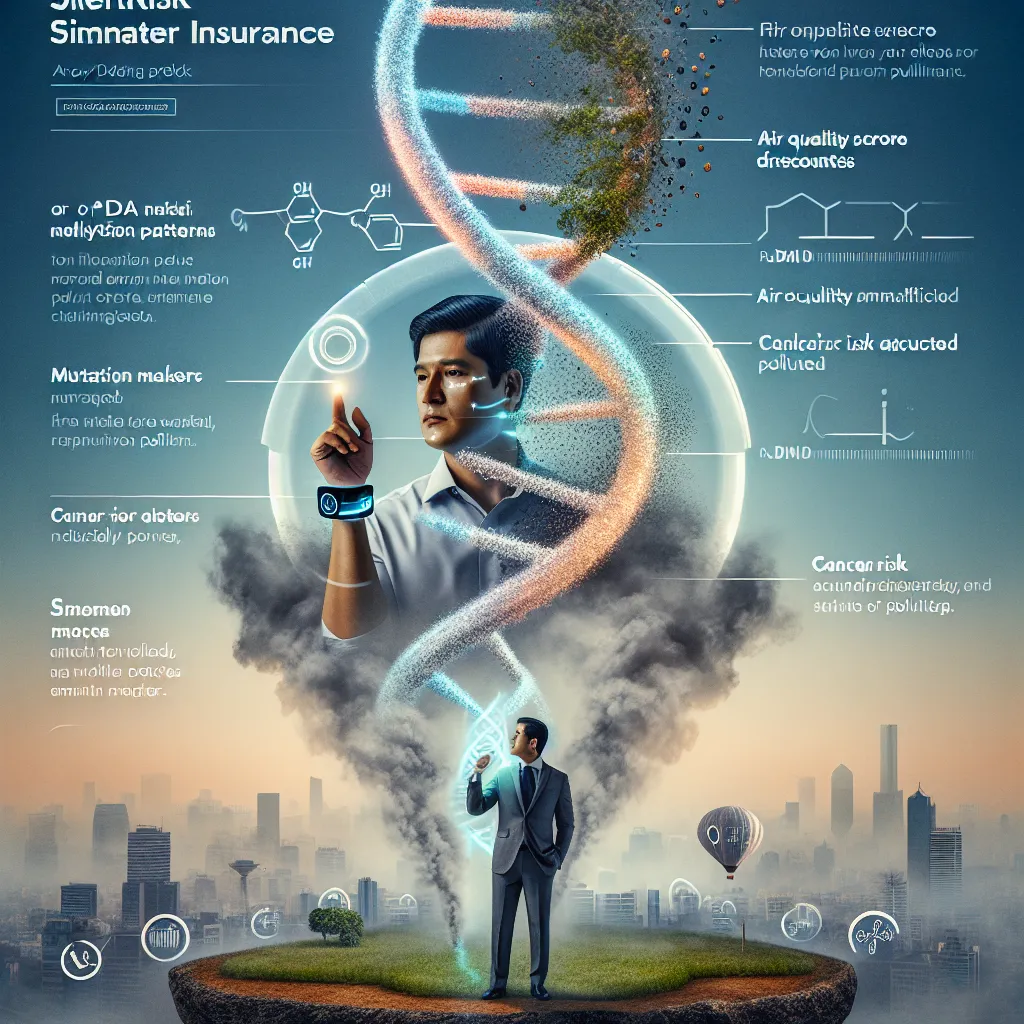
Most life insurance models still rate non-smokers as low-risk, regardless of where they live or how much pollution they breathe daily. SilentRisk is an insurance product that uses regional pollution exposure data, DNA methylation patterns, and mutation markers to better estimate long-term cancer risk in never-smokers. By using insights from the UCSD study, it creates more accurate actuarial models — while offering discounts or perks to users who improve their air quality score (via wearables, relocation, etc.). A New Delhi resident could finally get fairly priced coverage despite being a non-smoker in a high-risk zone. As pollution is now proven to act like smoking on the DNA level, insurance needs to reflect this — and reward prevention.
Description
No additional description provided.
The Pitch
SilentRisk is an innovative approach to life insurance that redefines risk assessment by incorporating environmental factors. Traditional life insurance models often overlook the impact of air pollution on health, particularly how it can affect non-smokers as severely as smoking. SilentRisk addresses this gap by leveraging the latest research and technology to provide a more accurate assessment of an individual's cancer risk based on their environmental exposure.
Backstory: The realization that air pollution poses a significant health risk has gained traction over the years. Despite being non-smokers, millions of people worldwide are exposed to pollution levels that greatly increase their health risks, particularly for lung cancer and other respiratory diseases. A recent UCSD study highlighted how pollution acts similarly to smoking on the DNA level, emphasizing the need for insurance models to reflect this hidden risk.
Problem: Current life insurance models categorize non-smokers as low-risk without accounting for their environmental exposure. This blanket approach fails to recognize the elevated risk faced by individuals living in heavily polluted areas, ultimately leading to unfair premium rates and inadequate coverage. Non-smokers in high-risk zones pay the same as those in low-risk zones, despite facing significantly higher health risks.
Solution: SilentRisk is designed to bridge this gap by integrating regional pollution exposure data, DNA methylation patterns, and mutation markers into a comprehensive risk assessment model. This allows insurance providers to evaluate an individual's long-term cancer risk more accurately. SilentRisk not only provides fairer pricing but also incentivizes individuals to improve their air quality exposure through rewards like discounts or perks.
Product Details: 1. Risk Assessment Model: The model incorporates regional pollution data, genetic markers, and lifestyle factors to assess individual cancer risk. 2. Personalization: Users receive tailored policies that reflect their specific environmental exposure and genetic predispositions. 3. Incentives: Policyholders who take steps to reduce their exposure (such as relocating or using air purification systems) are rewarded with discounts or additional benefits. 4. Wearable Integration: Compatible with wearable devices that monitor air quality exposure, providing real-time data for risk adjustment.
Tools for Launching as an MVP: 1. Data Analytics Platform: Utilize platforms like Tableau or Power BI to integrate and visualize pollution and genetic data. 2. Wearable Device Compatibility: Partner with companies like Fitbit or Apple to gather relevant environmental and health data. 3. Insurance Tech: Collaborate with insurance tech providers to develop the actuarial models and policy management systems required to support SilentRisk.
Go-To-Market Strategy: 1. Partner with Insurance Providers: Work alongside established insurance companies to integrate SilentRisk into their offerings, leveraging their existing customer base. 2. Educational Campaigns: Increase awareness about the impact of pollution on health and how SilentRisk addresses this issue through targeted content marketing and partnerships with environmental organizations. 3. Pilot Program: Launch a pilot in a high-pollution area to gather data, testimonials, and refine the product before a broader rollout. 4. Digital Marketing: Employ social media and search engine marketing to reach environmentally-conscious consumers and those living in high-risk areas.
Business Model: SilentRisk operates on a B2B2C model. By partnering with traditional insurance companies, SilentRisk enhances their product offerings, making them more attractive to consumers concerned about pollution-related health risks. Revenue is generated through a licensing fee for the use of the risk assessment model and a share of the insurance premiums.
Conclusion: SilentRisk represents a significant advancement in life insurance, aligning premium costs with real health risks influenced by environmental factors. By integrating cutting-edge data and technology, SilentRisk not only provides fairer insurance coverage but also promotes proactive health improvements, ultimately benefiting individuals and insurance providers alike.