Plug-and-Play IoT Kit for Remote Monitoring
Farms, wildlife reserves, and infrastructure sites often can’t access cellular networks for IoT monitoring. A novel plug-and-play “IoT in a box” solution would bundle sensors, pre-configured LEO satellite connectivity, and a no-code dashboard to deploy networks in minutes. This dramatically reduces the barrier for non-technical teams. The timing is ideal: LEO capacity is expanding, and rural digitization is a priority in agriculture, conservation, and energy. For example, a coffee plantation in Uganda could install a kit to monitor soil moisture and send alerts—no towers, no config, just mount and activate.
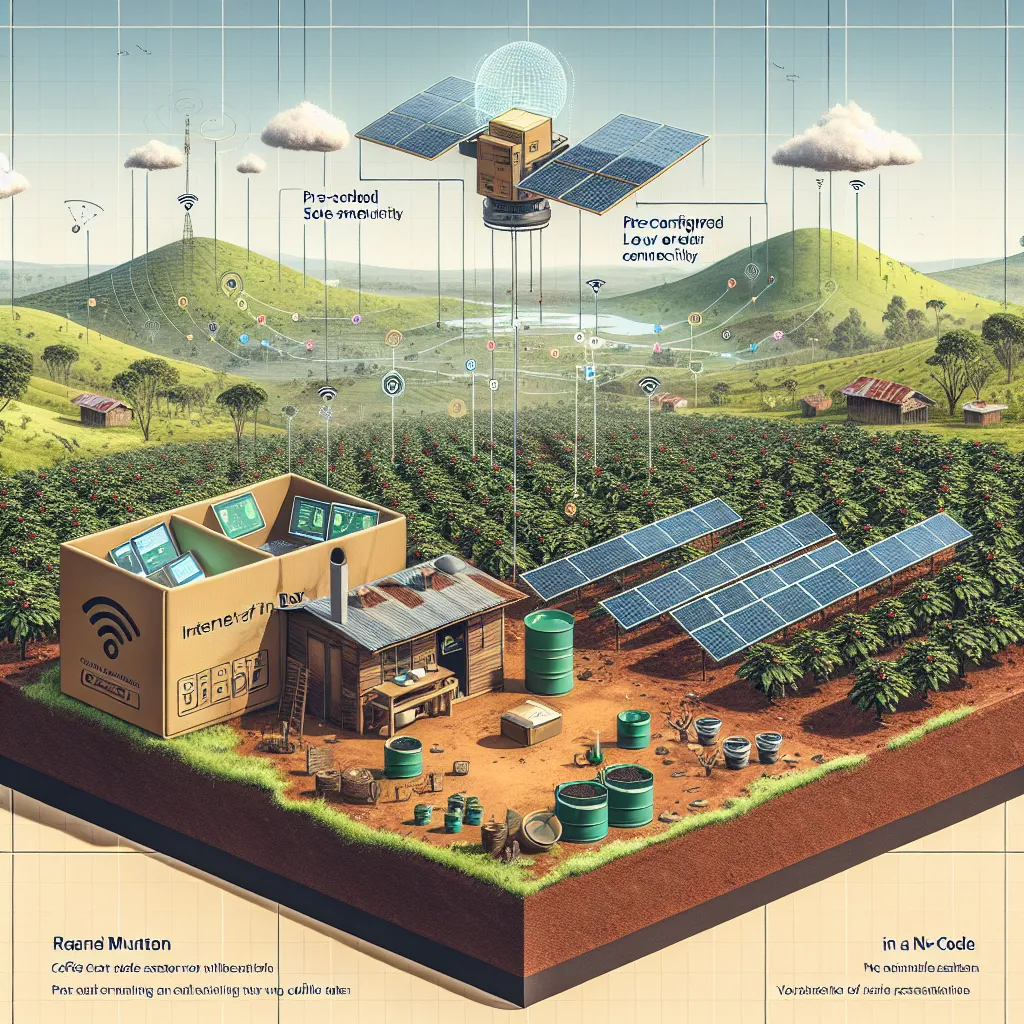
Description
No additional description provided.
The Pitch
In many regions, particularly those involved in agriculture, conservation, and energy infrastructure, reliable cellular networks for IoT monitoring are not readily accessible. This presents a significant challenge for farms, wildlife reserves, and infrastructure sites, which could greatly benefit from enhanced monitoring and data-driven decision-making. The current lack of connectivity hampers efficiency and growth, creating an urgent need for a seamless solution.
Identifying the Problem
The primary issue is the inability of these remote locations to leverage IoT technology due to the absence of a robust cellular infrastructure. Farmers, conservationists, and energy managers, who often lack technical expertise, find it challenging to integrate IoT solutions that require complex setup and ongoing management. This gap prevents them from optimizing their operations, ensuring environmental sustainability, and reducing costs.
The Proposed Solution
The introduction of a plug-and-play IoT in a box solution will target this gap, enabling these non-technical teams to establish effective IoT networks swiftly and easily. This solution will bundle essential components: sensors tailored to their specific operational needs, pre-configured low Earth orbit (LEO) satellite connectivity, and an intuitive no-code dashboard. Installation and setup would involve minimal effort—simply mount the device and activate the network.
Product Details
1. Hardware Kit: The kit includes versatile sensors that can be customized for various applications such as monitoring soil moisture, weather conditions, wildlife movements, or equipment status.
2. Satellite Connectivity: Pre-configured LEO satellite connectivity ensures that the data is relayed reliably and consistently, regardless of terrestrial network availability.
3. No-Code Dashboard: A user-friendly interface allows users to visualize data, set thresholds, and receive alerts without any need for coding or technical expertise.
4. Plug-and-Play Design: The system is engineered for easy installation and immediate deployment, reducing the complexity and time traditionally required to set up IoT systems.
Tools for Launching an MVP
1. Rapid Prototyping Platforms: Leverage platforms like Arduino or Raspberry Pi for initial sensor integration and testing the hardware prototype.
2. Satellite Service Providers: Partner with satellite service providers, such as Starlink or Iridium, to ensure reliable connectivity for the MVP.
3. No-Code Development Tools: Utilize tools like Bubble or Adalo for developing the dashboard interface quickly and efficiently.
4. Hardware Supply Chain Partners: Establish partnerships with manufacturers for sensor production and assembly to streamline hardware delivery.
Go-To-Market Strategy
1. Target Market Segmentation: Focus initially on niche markets with the greatest connectivity needs, such as agriculture and wildlife conservation in remote areas.
2. Partnership Strategy: Collaborate with agricultural cooperatives, conservation groups, and infrastructure companies to build trust and gain early adopters.
3. Pilot Programs: Implement pilot projects in diverse geographic locations to demonstrate real-world benefits and gather testimonials.
4. Educational Campaigns: Develop webinars, case studies, and workshops that illustrate the solution's benefits and provide guidance on deployment and use.
5. Trade Shows and Conferences: Participate in industry events to showcase the product and network with potential partners and customers.
Business Model
The business will operate on a subscription-based model, offering customers a package that includes hardware, satellite connectivity, and access to the no-code dashboard.
1. Subscription Tiers: Provide multiple subscription options based on the number of sensors, data usage, and level of support required.
2. Sales Channels: Utilize both direct sales and partnerships with industry groups to reach a broader audience.
3. Value-Added Services: Offer additional services such as data analytics, advanced reporting, and custom sensor solutions for a premium.
This initiative addresses the critical need for technological integration in underserved regions, facilitating greater operational efficiency and sustainability. By leveraging advancements in LEO satellite technology and focusing on user-friendliness, the proposed IoT solution significantly lowers the barriers to implementing powerful digital networks in remote areas.