Play to Perform: Gamifying Youth Sports Training with Virtual Reality
Description
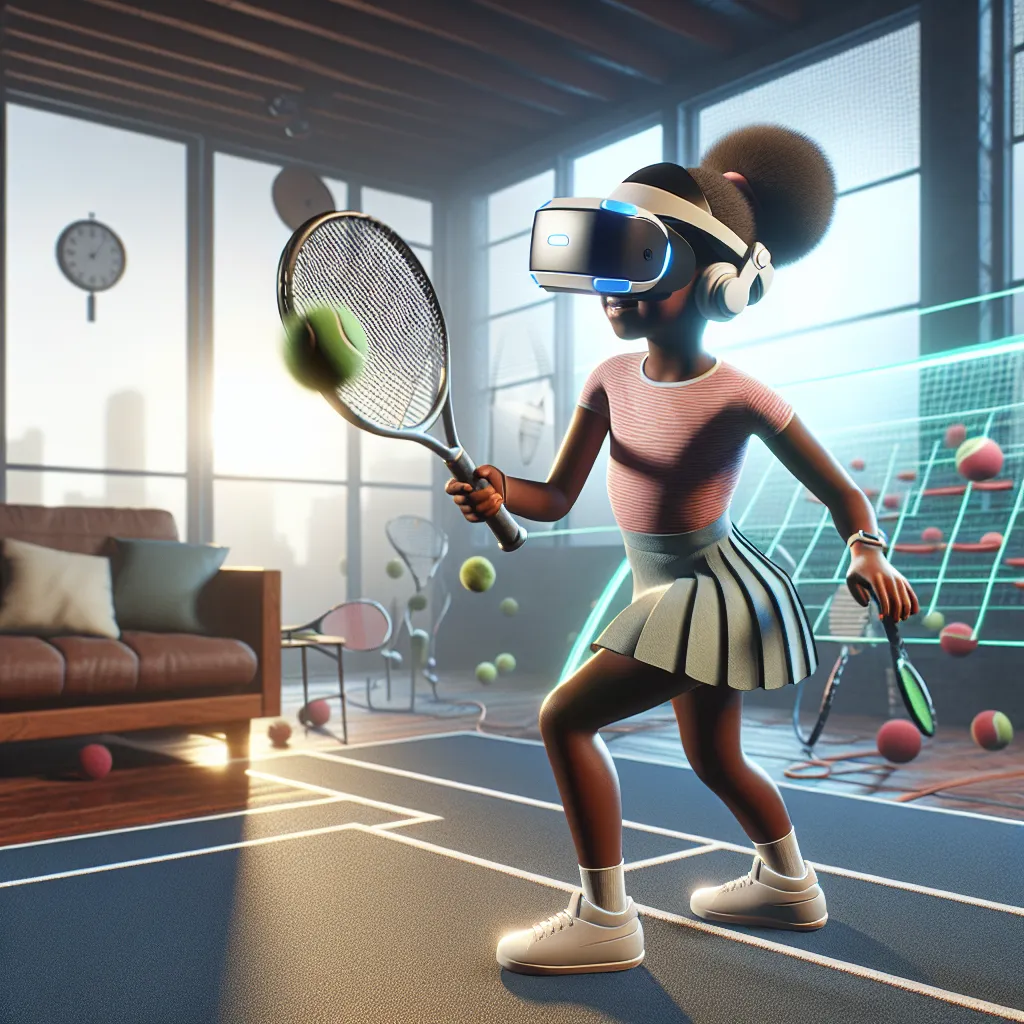
VR Sports Training for Kids: A virtual reality application designed to teach basic sports skills, like tennis, through gamified experiences. The focus is on building muscle memory in young children by practicing correct movements in a fun, engaging way.
The Pitch
VR Sports Training for Kids Overview: The VR Sports Training application is a cutting-edge virtual reality platform designed to teach young children fundamental sports skills through immersive and gamified experiences. By leveraging the power of VR technology, this application focuses on building muscle memory and promoting correct movement patterns in a fun, interactive environment. It aims to make sports training more accessible, engaging, and effective for children, helping them develop essential physical skills from an early age.
Key Features:
Immersive Training Environment:
The VR Sports Training app creates a fully immersive environment where children can practice various sports in a safe, controlled space. Whether it’s a tennis court, soccer field, or basketball court, the VR experience simulates real-world conditions, allowing kids to get a feel for the sport as if they were playing in a physical space. The environments are designed to be visually appealing and can be customized to include different settings (e.g., a beach, park, or stadium) to keep the experience fresh and exciting for kids. Gamified Skill Development:
The application incorporates game-like elements to keep children engaged while they learn. For example, in a tennis module, children might be tasked with hitting virtual coins or targets positioned around the court, each successful hit earning points or unlocking new levels. Challenges and levels are designed to gradually increase in difficulty, ensuring that children are constantly improving their skills while remaining motivated to continue practicing. Focus on Muscle Memory and Correct Movements:
The primary goal of the VR Sports Training app is to build muscle memory by encouraging children to perform the correct movements repeatedly. For instance, in a tennis module, the app would guide the child through the proper forehand and backhand strokes, emphasizing the correct technique with each swing. The app uses motion tracking to monitor the child’s movements in real-time, providing instant feedback on their form and technique. If a child is performing a stroke incorrectly, the app can offer visual and auditory cues to help them adjust. Adaptive Learning and Customization:
The VR Sports Training app is designed to adapt to each child’s individual learning pace and skill level. The app can tailor the difficulty of challenges based on the child’s progress, ensuring that they are neither bored with tasks that are too easy nor frustrated with those that are too difficult. Parents or coaches can customize the training sessions by selecting specific skills or areas to focus on, such as improving footwork, mastering a particular stroke, or building endurance. Multi-Sport Capabilities:
The application is not limited to just one sport. It offers modules for various sports, including tennis, soccer, basketball, baseball, and more. Each sport has its own set of drills and challenges tailored to the specific skills required. This multi-sport capability allows children to explore different sports and find the ones they enjoy most, all within the same platform. It also encourages well-rounded physical development by exposing kids to a variety of athletic activities. Interactive Coaching and Feedback:
The VR Sports Training app includes an interactive coaching system that provides real-time feedback and guidance. Virtual coaches can demonstrate techniques, offer tips, and even encourage the child as they practice. The feedback is designed to be positive and constructive, helping children build confidence in their abilities while correcting any mistakes. Over time, this continuous feedback loop helps to reinforce proper technique and build lasting muscle memory. Progress Tracking and Rewards:
The app features a robust progress tracking system that records the child’s performance over time. Parents and coaches can view detailed reports on the child’s improvement in various skills, allowing them to identify strengths and areas for further development. To keep children motivated, the app includes a rewards system where kids can earn badges, trophies, or other virtual prizes for reaching milestones or completing challenges. This system adds an element of fun and achievement to the learning process. Parental and Coach Integration:
Parents and coaches can play an active role in the child’s training by setting goals, monitoring progress, and customizing training sessions. The app can be connected to a companion app on a smartphone or tablet, allowing parents to stay informed and involved in their child’s development. Coaches can use the app as a supplementary tool during training sessions, integrating VR practice into their broader coaching strategies. This is particularly useful for reinforcing techniques learned during in-person training. Social and Competitive Features:
To foster a sense of community and healthy competition, the app includes social features where children can connect with friends, share their achievements, and participate in multiplayer challenges or virtual tournaments. Leaderboards and ranking systems can be incorporated to encourage friendly competition, pushing children to improve their skills to climb the ranks or earn top scores in various challenges. Safety and Accessibility:
The VR Sports Training app is designed with safety and accessibility in mind. The virtual environment eliminates the risk of physical injury that might occur in real-world sports training, making it a great option for younger children or those who are new to a particular sport. The app is also designed to be accessible to children of all abilities, with adjustable settings that can accommodate different skill levels and physical capabilities. Potential Expansion:
Advanced Training Modules:
As children progress, the app can offer advanced training modules that delve deeper into the nuances of each sport. For example, in tennis, children could learn advanced techniques like spin serves or volleying at the net. These advanced modules could also include more complex scenarios, such as simulated matches against AI opponents, allowing children to practice strategy and decision-making in addition to physical skills. Integration with Wearable Technology:
The app could be integrated with wearable technology, such as fitness trackers or motion sensors, to provide even more detailed feedback on the child’s performance. This could include metrics like heart rate, speed, and endurance, helping to create a comprehensive picture of the child’s physical development. Wearables could also be used to monitor the child’s safety during training, ensuring that they are not overexerting themselves or practicing with poor posture. Collaboration with Sports Organizations:
The app could collaborate with sports organizations, schools, or youth leagues to provide standardized training programs that align with official coaching guidelines. This could help ensure that children are learning skills that are relevant and applicable to real-world play. Such partnerships could also open up opportunities for the app to be used in more formal training settings, such as PE classes or youth sports camps. Global Competitions and Events:
The app could host global virtual sports competitions where children from around the world compete in various sports challenges. These events could be tied to real-world sporting events, creating a connection between the virtual and physical sports worlds. Winners of these competitions could receive real-world prizes or scholarships, adding an extra layer of motivation and excitement for participants. Cross-Disciplinary Training:
The app could introduce cross-disciplinary training modules that incorporate elements from different sports. For example, a soccer training module might include drills that improve foot-eye coordination, which could also benefit tennis or basketball players. This approach would help children develop a more well-rounded set of physical skills, making them better athletes overall, regardless of which sport they ultimately pursue. Market Potential:
Target Audience:
The primary target audience includes parents of children aged 5-12 who are interested in sports but may not have access to regular coaching or training facilities. The app also appeals to parents looking for safe and engaging ways to keep their children active. The app could also attract schools, sports academies, and youth leagues looking for innovative ways to enhance their training programs, particularly in regions where access to physical facilities or professional coaching is limited. Global Reach:
The app has significant global potential, particularly in markets where access to quality sports training is limited due to geographical or economic factors. By providing a virtual alternative, the app can democratize access to sports education, reaching a wider audience. Localization options, including language settings and culturally relevant content, would help the app appeal to diverse markets around the world. Revenue Streams:
The app can generate revenue through subscription fees, with different tiers offering access to basic, intermediate, or advanced training modules. In-app purchases for additional content, customization options, or advanced features can provide additional income. Sponsorships and partnerships with sports brands, educational institutions, and fitness organizations could offer further monetization opportunities. The app could also feature branded content or gear that users can unlock as they progress. Conclusion: The VR Sports Training app represents a significant innovation in youth sports education, combining the immersive power of virtual reality with the principles of effective sports training. By making learning fun, engaging, and accessible, this app has the potential to transform the way children learn and practice sports skills, helping them build a strong foundation for physical fitness and athletic success. With its focus on muscle memory, correct technique, and gamified experiences, the app is poised to become a valuable tool for parents, coaches, and young athletes alike.