Platform Matches People for Intentional Homesteading
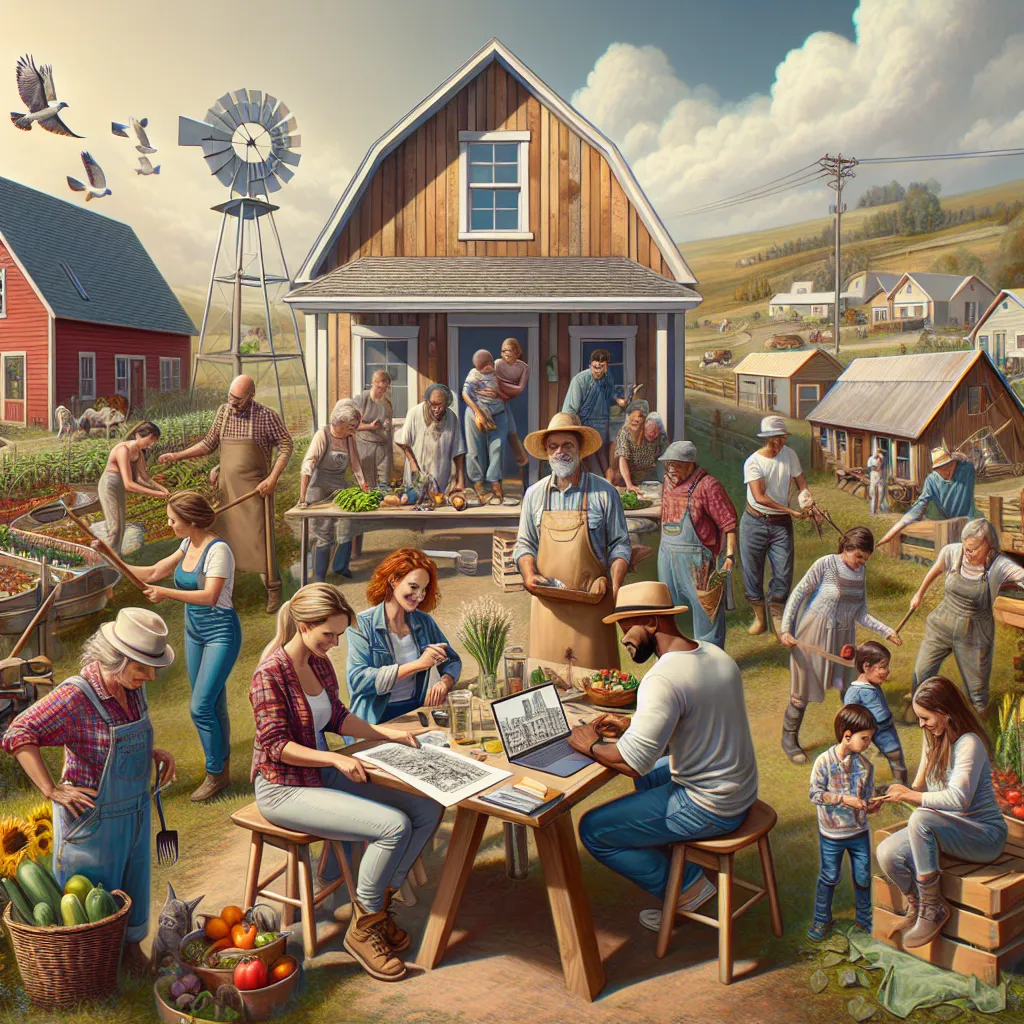
People romanticize communal living but fail because alignment, skills, and legal structure are missing. This platform matches individuals and families into intentional homesteads based on assets (land, money, skills), values, timelines, and legal commitment preferences. It works now because remote work decouples income from location, housing costs push people toward alternatives, and adults increasingly want community over isolation. A farmer with land but no capital matches with remote workers who want meaning, signs a two-year agreement, and together they build a functioning micro-community instead of scrolling Zillow alone.
Description
No additional description provided.
The Pitch
In today's rapidly changing world, the desire for communal living has seen a resurgence. However, traditional attempts often falter due to a lack of alignment, diverse skill sets, and clear legal agreements. Our proposed platform is here to address these challenges by matching individuals and families into intentional homesteads. These are based on a range of factors including assets (such as land, funds, and skills), shared values, preferred timelines, and commitment levels. This initiative takes advantage of our current era where remote work enables income to be independent of location, the prohibitive costs of conventional housing, and a growing preference for community living over solitude.
Background:
Historically, humans have thrived in communities, fostering collaboration and mutual support. With the rise of urbanization, many have experienced the isolating effects of modern living. Recently, the tides are turning. The global shift towards remote work has freed many from geographic constraints, allowing them to choose where they live based on lifestyle preferences rather than job locations. At the same time, rising real estate prices and a yearning for community-centered living encourage people to explore alternative lifestyles like homesteading.
The Problem:
While the desire for communal living exists, the main challenges include: - Lack of alignment on values, goals, and vision among members. - Inadequate skills and resources needed to sustain a homestead. - Absence of clear legal structures and agreements to facilitate coexistence and minimize conflict. - Difficulty in finding compatible community members.
The Solution:
Introduce a platform that effectively matches individuals and families to create intentional homesteads. Key functions of this platform include: - Detailed profiling system capturing assets, skills, values, timelines, and legal preferences. - A matching algorithm that pairs potential members based on compatibility and complementary resources. - A repository of legal frameworks and templates to guide community agreements and commitments. - Forums and resources for skill-building and knowledge sharing in sustainable living.
Product Details:
1. User Profiling: - Extensive questionnaires and surveys to capture user assets, values, and preferences. - Skills assessment tools to identify strengths and potential roles within a homestead.
2. Matching System: - AI-driven algorithm to match users to potential homestead partners. - Compatibility scoring based on shared values, resources, and goals.
3. Legal Frameworks: - Ready-to-use legal templates for co-habitation agreements, land use policies, and financial arrangements. - Tools for customizing agreements based on unique community needs.
4. Community Building: - Virtual forums for discussion, advice, and support in community-building efforts. - Access to expert-led webinars and workshops on sustainable living practices.
Tools and Resources for MVP Launch:
- No-code platforms like Bubble or Webflow for quick and cost-effective MVP development. - Zapier to automate workflows and integrations between different software. - Machine learning libraries such as TensorFlow or Scikit-learn to develop the matching algorithm. - Resources like LegalZoom or Rocket Lawyer for easy access to legal document customizations.
Go-To-Market Strategy:
- Target remote workers, families seeking sustainable lifestyles, and landowners via social media marketing. - Partner with remote work communities and sustainability influencers to promote the platform. - Organize webinars and workshops on intentional living and community building to build brand awareness. - Utilize content marketing focusing on success stories and educational material to attract and retain users.
Business Model:
- Freemium model: Basic matching service is free, while premium services like expert consultations, legal frameworks, and advanced matching features will require a subscription. - Affiliate partnerships with sustainable living brands offering discounts and exclusive offers to platform members. - Revenue sharing with partners for joint-initiatives and co-branded community events.
Conclusion:
The demand for intentional, community-centered living is on the rise, driven by the flexibility afforded by remote work and a desire for alternative lifestyle choices. This platform stands to significantly impact how modern communities are formed by providing the necessary tools and support to ensure their success and longevity.