Platform Linking Influencers with White-Label SaaS
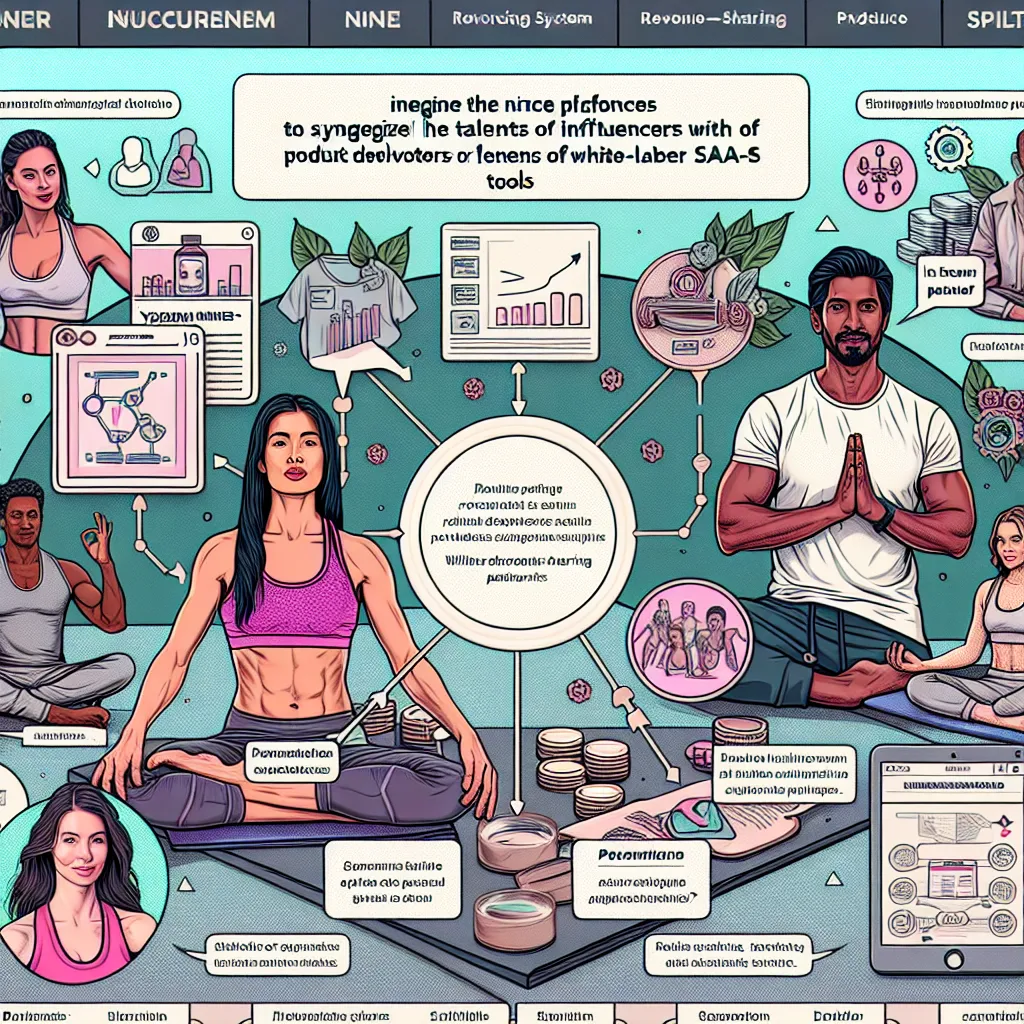
Many influencers and creators have niche, loyal audiences—but no scalable way to monetize beyond ads and merch. Meanwhile, builders of white-label SaaS tools have products but no distribution. There’s a gap: no structured system that lets SaaS operators and creators partner through revenue-sharing. The solution is a platform that connects white-label tech builders with influencers to co-launch branded SaaS tools targeting niche verticals. With affiliate tools and creator partnerships booming, and trust-based marketing outperforming ads, the timing is ideal. Picture a yoga instructor launching "FlowCRM" for yoga studios—fully white-labeled, run by a SaaS partner, promoted by her Instagram, and split 50/50.
Description
No additional description provided.
The Pitch
Many influencers and creators have cultivated niche, loyal audiences. However, the avenues for monetization often remain limited to traditional methods such as advertising and merchandise. This leaves a gap in the market for innovative strategies that leverage their influence in more scalable ways. At the same time, developers of white-label SaaS (Software as a Service) products possess robust tools but lack effective distribution channels. Currently, there is no structured system that facilitates seamless partnerships between SaaS providers and creators through revenue-sharing arrangements. The solution to this problem could redefine digital monetization and business collaboration.
**Identifying the Problem**
Influencers struggle to find scalable revenue streams that match the depth of their engagement and influence. Many are constrained to earn through ad revenue, which often depends on fluctuating algorithms and can be inconsistent. Merchandise sales, while profitable for some, don't align with every creator's brand or audience. On the other hand, SaaS developers frequently encounter barriers in reaching potential customers without significant marketing investment. Their products often require an established distribution network to thrive, which they typically lack.
**Proposed Solution**
Imagine a platform designed to bridge this gap. A seamless digital marketplace that connects white-label tech builders with influencers to co-launch customizable, branded SaaS tools tailored to specific verticals. This platform enables creators to leverage their engaged audiences by offering niche software solutions they trust, while SaaS providers gain access to a ready-made distribution channel without investing heavily in conventional marketing. The partnership is structured on a revenue-sharing basis, beneficial to both parties.
**Product Details**
The platform operates as a B2B2C ecosystem. Here’s how it works:
1. **Matching System**: Advanced algorithms identify synergies between creators and suitable SaaS products based on their audience demographics and interests.
2. **White-Label Customization**: SaaS developers offer white-label versions of their technology, allowing creators to personalize and brand the tools as their own.
3. **Revenue-Sharing Model**: Both parties agree on a pre-defined revenue split, ensuring a fair and motivating partnership.
4. **Launch Support**: The platform provides marketing tools and resources to help creators successfully promote the newly branded software to their audiences.
5. **Performance Analytics**: Comprehensive analytics modules offer insights into user engagement, sales performance, and market trends.
**Tools for MVP Development**
- **No-Code Platforms**: Use platforms like Bubble or Adalo for rapidly building the core marketplace functions. - **Integration Services**: Zapier or Integromat to automate workflows between different software tools and enhance operational efficiency. - **Payment Gateways**: Stripe or PayPal to handle revenue sharing and transactions securely. - **Analytics Software**: Mixpanel or Google Analytics for tracking performance insights and iterating the user experience.
**Go-To-Market (GTM) Strategy**
1. **Influencer Marketing**: Utilize key creators who can become ambassadors for the platform. Their testimonials will establish credibility and drive initial traction.
2. **Partnership Campaigns**: Engage SaaS vendors through tech expos, webinars, and industry blogs to educate potential partners about the benefits of the platform.
3. **Trial Launches**: Offer limited-time free trials to creators and SaaS operators to demonstrate the efficacy and profitability of the partnership model.
4. **Content Marketing**: Develop case studies and whitepapers showcasing successful collaborations to attract more users.
**Business Model**
The platform will operate primarily on a subscription model, supplemented by a small percentage of each transaction processed through it. Additional revenue streams can be explored in the form of premium tools or enhanced support packages for both creators and SaaS partners.
In conclusion, the proposed platform stands to revolutionize how influencers and SaaS developers collaborate for mutual benefit. By bridging the distribution gap with scalable, trust-based SaaS solutions, creators can now expand their monetization avenues, while tech builders can effectively reach the audiences they need for growth.