Plant-Inspired Healing Bandages for Faster Recovery
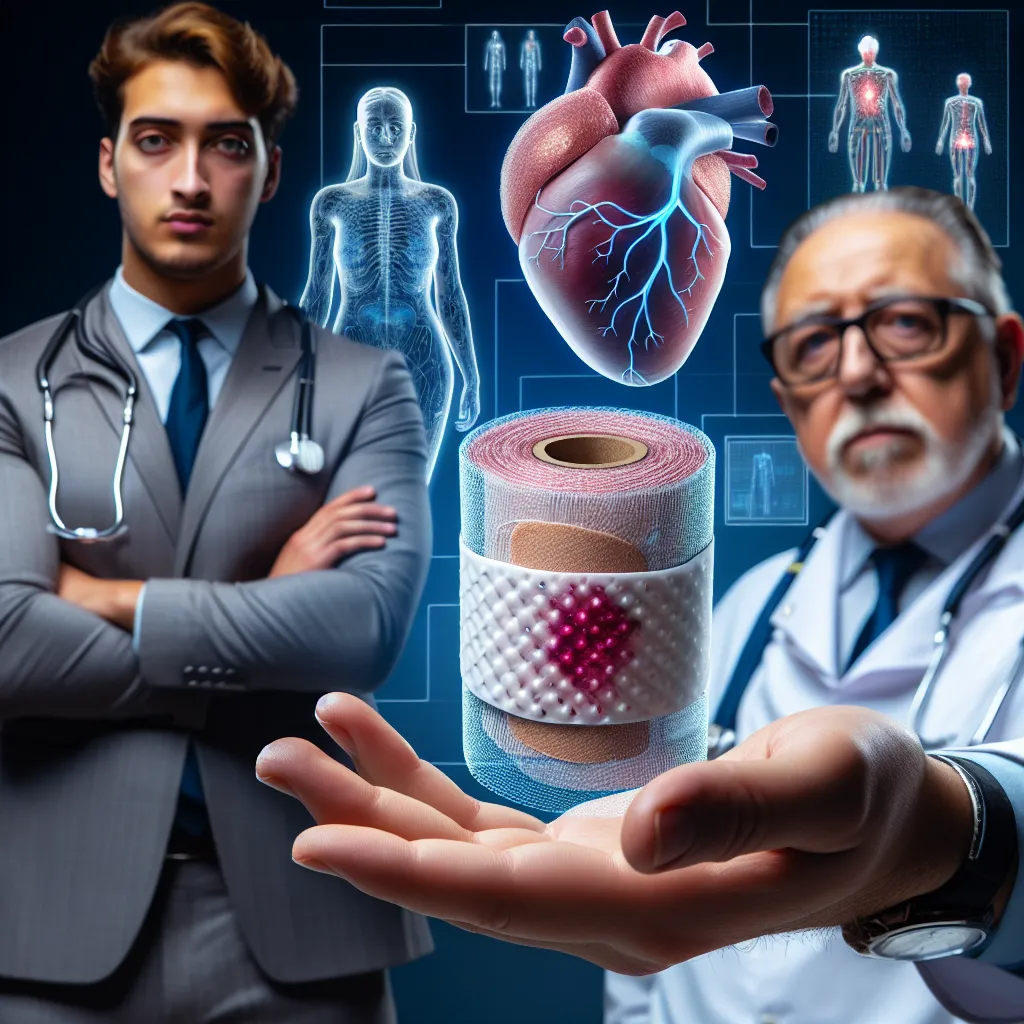
When people get cuts or scrapes, healing takes time—and sometimes it doesn’t heal well. Plants, however, seal their wounds fast using ethylene and oxygen. What if human bandages worked the same way? We could make a new kind of bandage that slowly releases small amounts of those gases to help your skin form a protective layer quickly. This idea is brand new because scientists only recently discovered how plants do this, and nobody has tried it in medicine yet. Imagine a bandage that tells your skin, “Time to close up!” For example, hospitals could use it on diabetic patients who have wounds that are hard to heal. We could make this with today’s materials, but it would need testing and approval before people could use it.
Description
No additional description provided.
The Pitch
In the realm of healthcare, wound care is a critical aspect that demands innovative solutions. Traditionally, healing cuts and scrapes involves applying a bandage and allowing time for the body’s natural processes to close the wound. However, this process can often be slow and challenging, particularly for individuals with conditions such as diabetes, where wound healing can be significantly impaired. Herein lies an opportunity to revolutionize wound care by drawing inspiration from an unexpected source: plants.
- Backstory
Researchers have long observed that plants possess a remarkable ability to seal wounds rapidly. This capability is facilitated by the plants' release of ethylene and oxygen, gases that stimulate the formation of a protective layer over injuries. This biological mechanism was only recently understood by scientists and has not yet been applied in medical technologies for human use. Recognizing the potential benefits of this plant-inspired mechanism, a new frontier in wound care can be explored—one where bandages actively encourage the skin to close up in a more efficient and effective manner.
- The Problem
Conventional bandages primarily serve as protective covers for cuts and scrapes, offering minimal assistance in expediting the healing process. For individuals who suffer from conditions like diabetes, wounds can become chronic, leading to complications such as infections and prolonged discomfort. Current methodologies lack the proactive element necessary to accelerate skin repair, resulting in extended recovery times and increased healthcare costs.
- The Solution
Developing a novel type of bandage that mimics the wound-sealing mechanism discovered in plants presents a promising solution to this problem. By incorporating ethylene and oxygen-releasing components into the design of these bandages, we can potentially jumpstart the body's natural healing processes. This innovation would enable wounds to close more rapidly, reducing recovery time and minimizing the risk of complications.
- Product Details
The proposed bandage would consist of layers embedded with microcapsules that release small, controlled amounts of ethylene and oxygen when in contact with the skin. The materials used would be biocompatible and designed to maintain the integrity of the gases over time. The bandage would act both as a protective barrier and a healing accelerator, ensuring the skin forms a protective layer more swiftly.
Before this product can reach consumers, it will require rigorous testing and regulatory approval to ensure safety and efficacy. Initial prototypes would need to undergo laboratory and clinical trials, proving their benefit over existing wound care solutions.
- Tools for MVP Launch
To bring this concept to life, a multi-disciplinary team comprising biochemists, materials scientists, and medical professionals would be needed. Key steps in preparing an MVP (Minimum Viable Product) include:
1. Collaborating with research institutions to refine the ethylene and oxygen delivery system. 2. Partnering with manufacturers specializing in medical-grade materials to produce initial prototypes. 3. Utilizing lab facilities to conduct early-phase testing on the efficacy and safety of the bandage. 4. Engaging with regulatory consultants to navigate approval pathways.
- Go-To-Market Strategy
1. Target Audience: Initially, the focus would be on healthcare institutions such as hospitals and clinics, particularly those dealing with high-risk patients like diabetics.
2. Partnerships: Collaborate with healthcare providers and medical device distributors to create awareness and facilitate trials.
3. Awareness Campaigns: Utilize scientific papers and case studies to highlight the efficacy and innovation behind the bandages, promoting their adoption.
4. Direct Feedback: Gather user and medical professional feedback to refine the product and create a robust case for its benefits.
- Business Model
The business model for this wound care innovation would be structured around both direct sales to healthcare providers and potential licensing agreements with established medical device companies. Revenue streams could be diversified through the introduction of a range of products catering to various wound types and sizes, and eventually expanding into consumer markets for at-home care.
By transforming the way wounds are treated, this plant-inspired bandage innovation holds the promise of significantly improving patient outcomes, reducing healthcare costs, and setting a new standard in wound care technology.