Physical Tools to Combat Screen Addiction
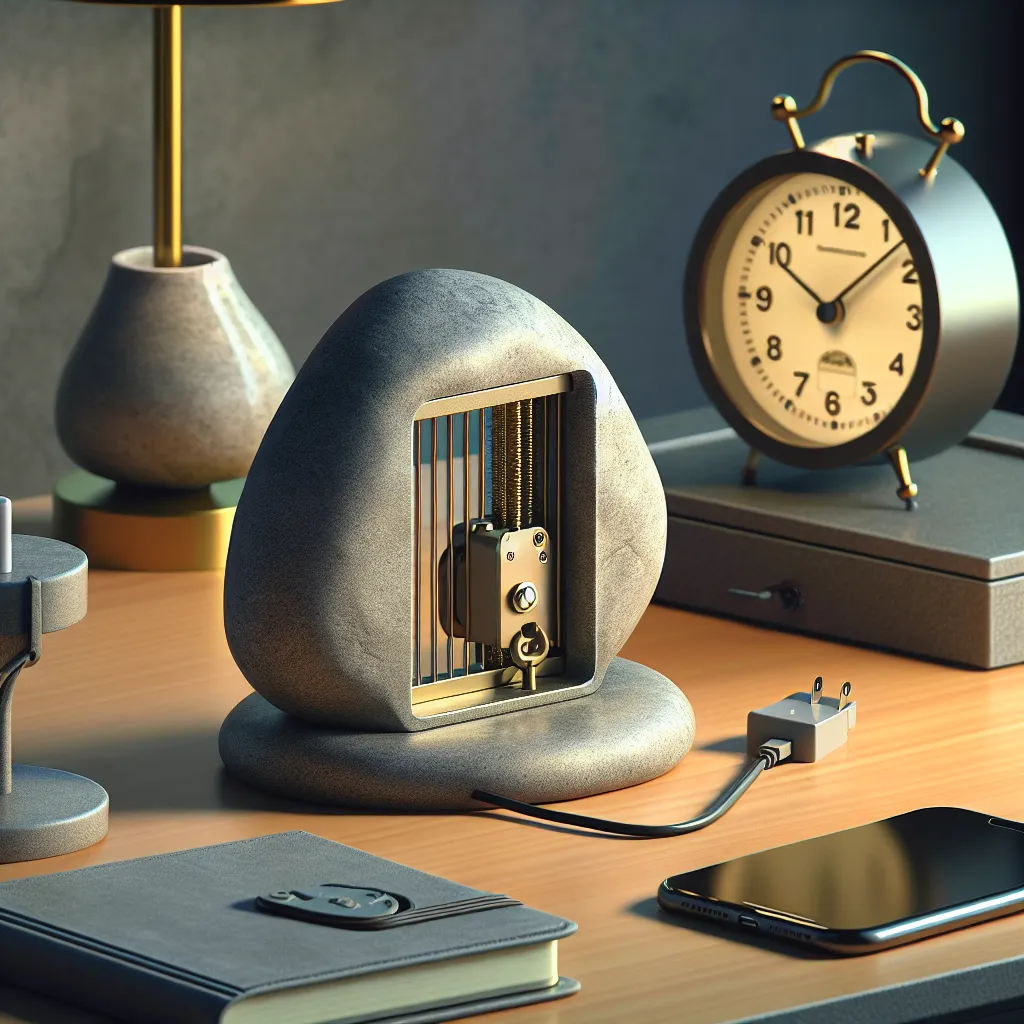
Most attempts to fix screen addiction rely on more software: apps that tell you to use fewer apps. But behavior doesn’t change because of dashboards — it changes because of friction and replacement. This company creates physical objects designed to interrupt digital habits and replace them with tactile rituals: a phone “lock stone” that physically traps your device for 30 minutes, a mechanical desk timer that unlocks a notebook only after focused work, or a bedside object that disables charging overnight unless you complete a wind-down ritual. The insight is simple: people don’t need motivation, they need better defaults. As physical products come back and screen fatigue peaks, the winning habit tools won’t live on phones at all — they’ll sit on desks, nightstands, and kitchen counters, quietly reshaping behavior without asking for willpower.
Description
No additional description provided.
The Pitch
The world is experiencing an unprecedented dependence on digital devices, often culminating in screen addiction. While our phones and computers drive significant productivity and connectivity, they also contribute to distraction, anxiety, and unhealthy habits. Current solutions largely offer more digital interventions — apps that monitor and restrict usage. However, these software-based solutions often lack effectiveness because they demand willpower and discipline, which many users struggle to maintain.
**Problem**
The core issue is that people are entrenched in their digital habits without effective means of breaking them. Despite awareness of the problems associated with excessive screen time, users find it challenging to change behaviors due to the accessibility and allure of digital devices. The existing solutions don't provide the necessary friction or replacement behaviors to facilitate change.
**Solution**
The proposed solution involves creating tangible products that introduce physical barriers and alternatives to digital habits. By making it inconvenient or impossible to engage with devices, users are more likely to form healthier routines. This isn't about motivation—it's about creating better defaults and introducing different forms of engagement.
**Product Details**
1. **Phone Lock Stone**: A weighted stone that temporarily traps a smartphone for 30 minutes, preventing usage and encouraging users to engage in other activities.
2. **Mechanical Desk Timer**: A timer that, when activated, locks the digital device and unlocks a physical notebook only after a certain period of focused work, encouraging analog reflection and documentation.
3. **Bedside Ritual Device**: An object placed at the bedside that disables charging unless users engage in a set wind-down ritual, promoting better sleep hygiene by replacing screen time with calming activities.
**Tools and MVP Launch**
Developing a minimum viable product (MVP) for this venture should focus on rapid prototyping and user feedback. Consider the following steps:
- **Design Prototyping Tools**: Utilize software such as Sketch or Figma to conceptualize product designs, and 3D printing technology to create initial physical prototypes. - **Small Batch Manufacturing**: Use platforms like Kickstarter or Indiegogo to gauge interest and fund initial production. - **User Feedback Channels**: Construct a website or leverage social media to gather user insights and refine the product before a full-scale launch.
**Go-To-Market Strategy (GTM)**
- **Target Audience Identification**: Focus on health-conscious professionals, parents concerned about their children’s screen time, and tech-savvy individuals aware of digital addiction. - **Digital Marketing Campaigns**: Utilize social media platforms and digital marketing strategies to reach potential users, emphasizing the novelty and tangible nature of the products. - **Retail Partnerships**: Partner with wellness stores, bookstores, and electronic retailers to reach a broader audience. - **Influencer and Expert Collaborations**: Collaborate with wellness influencers and digital detox experts to promote credibility and awareness.
**Business Model**
The business model could revolve around direct-to-consumer sales through an online platform with potential for subscription-based add-ons offering users access to evolving physical products and resources for maintaining healthy digital habits. Additionally, exploring B2B partnerships with wellness programs and organizations could expand reach and impact.
In summary, by focusing on creating innovative, physical products to combat screen addiction, this venture addresses a significant market need. Through strategic development and marketing, it has the potential to reshape user behaviors and stand out in the digital wellness arena.