Phthalate-Free Certified Marketplace for Safe Products
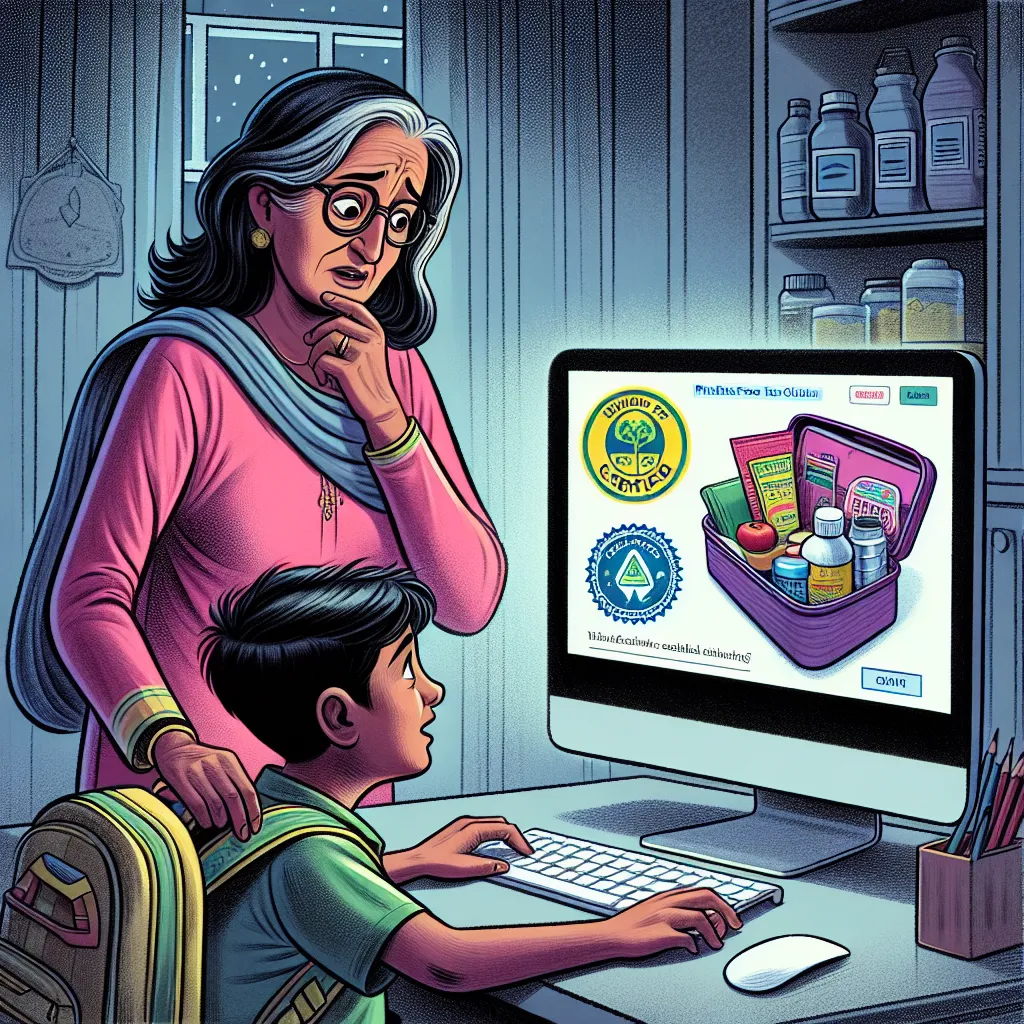
For decades, consumers have been told plastics are safe — yet many everyday items contain phthalates linked to serious health risks like heart disease and hormone disruption. There’s no easy way for the average person to identify and avoid these chemicals when shopping. The solution: a centralized certification standard (think “Organic” or “Fair Trade,” but for phthalate-free goods), plus a curated online marketplace of certified products. This gives brands a label they can proudly display and gives consumers a trusted source for safe products. Example: A parent shopping for school supplies sees a “Phthalate-Free Certified” badge on lunch boxes, clicks through to the marketplace, and buys worry-free. Long-term, this could pressure retailers and manufacturers to eliminate these toxic additives industry-wide.
Description
No additional description provided.
The Pitch
For many years, consumers have been reassured about the safety of plastics, yet numerous everyday items still contain phthalates—chemicals linked to significant health risks like heart disease and hormone disruption. Unfortunately, there is no straightforward way for the average consumer to identify and steer clear of these chemicals during their shopping activities.
The proposed solution is a centralized certification standard similar to Organic or Fair Trade, specifically focused on phthalate-free goods. This certification would be paired with a curated online marketplace showcasing only certified products. The combination provides brands with a label they can proudly display, signaling to consumers a reliable option for safe, phthalate-free products. For example, a parent on the hunt for school supplies might spot a “Phthalate-Free Certified” badge on lunch boxes and, through our marketplace, make a purchase without concern. This initiative could eventually exert pressure on retailers and manufacturers to phase out these harmful additives across industries.
**Backstory**
With growing awareness about the hazardous impact of phthalates, people are increasingly concerned about the safety of the products they use daily. Despite this rising awareness, there is a glaring gap in the market: a lack of transparency and easy-to-access information about which products contain these chemicals. This has led to confusion and difficulty in making safer choices, especially for health-conscious consumers and families.
**Problem**
The primary challenge lies in the invisibility of phthalates in products. Consumers often lack the knowledge and resources to identify which products contain these chemicals, making it difficult to make informed purchasing decisions. As a result, people unknowingly buy items that could potentially harm their health and the environment.
**Solution**
Introducing a centralized certification for phthalate-free products will empower consumers and create accountability among manufacturers. By establishing a certification similar to Organic or Fair Trade, we offer a clear and trustworthy signal to consumers. This certification will be accompanied by an online marketplace that curates and sells only certified phthalate-free products, thereby simplifying the shopping experience and ensuring peace of mind for consumers.
**Product Details**
The core products include:
1. **Phthalate-Free Certification Program**: A rigorous standard that products must meet to earn the certification, backed by a dedicated team conducting assessments and audits.
2. **Online Marketplace**: A user-friendly platform where consumers can easily find and purchase certified phthalate-free products across various categories, ranging from household items to personal care and children’s products.
**Tools for Launching MVP**
1. **Website Builders**: Platforms like Shopify or WooCommerce can be used to quickly set up the online marketplace.
2. **Certification Management Software**: Tools such as Certifier or MyEasyISO to manage and maintain certification data and processes efficiently.
3. **Online Marketing Tools**: Utilize platforms like Google Ads and social media marketing tools such as Hootsuite to reach potential customers.
4. **Customer Feedback Tools**: Implement tools like SurveyMonkey to gather customer feedback and insights for continuous improvement.
**Go-to-Market (GTM) Strategy**
1. **Strategic Partnerships**: Collaborate with health and wellness influencers, eco-conscious brands, and parental advisory groups to build brand credibility and awareness.
2. **Educational Campaigns**: Launch campaigns aimed at educating the public about the risks associated with phthalates and the benefits of choosing certified products.
3. **Retail Collaborations**: Work with retailers to promote the certification in stores, potentially creating dedicated phthalate-free sections.
4. **Pilot Programs**: Implement pilot programs in select areas to test the effectiveness of marketing efforts and gather consumer feedback.
**Business Model**
1. **Certification Fees**: Charge brands a fee to have their products certified, ensuring they meet the stringent standards for being phthalate-free.
2. **Marketplace Commissions**: Earn a commission on sales made through the online marketplace.
3. **Membership Model**: Offer subscription memberships to consumers for exclusive access to discounts and new products on the marketplace.
By addressing the transparency gap regarding phthalates in consumer products, this initiative has the potential to create a safer marketplace, influence industry standards, and empower consumers to make better choices for their health and the environment.