Personalized Psychedelic Therapy Through Genetic Insights
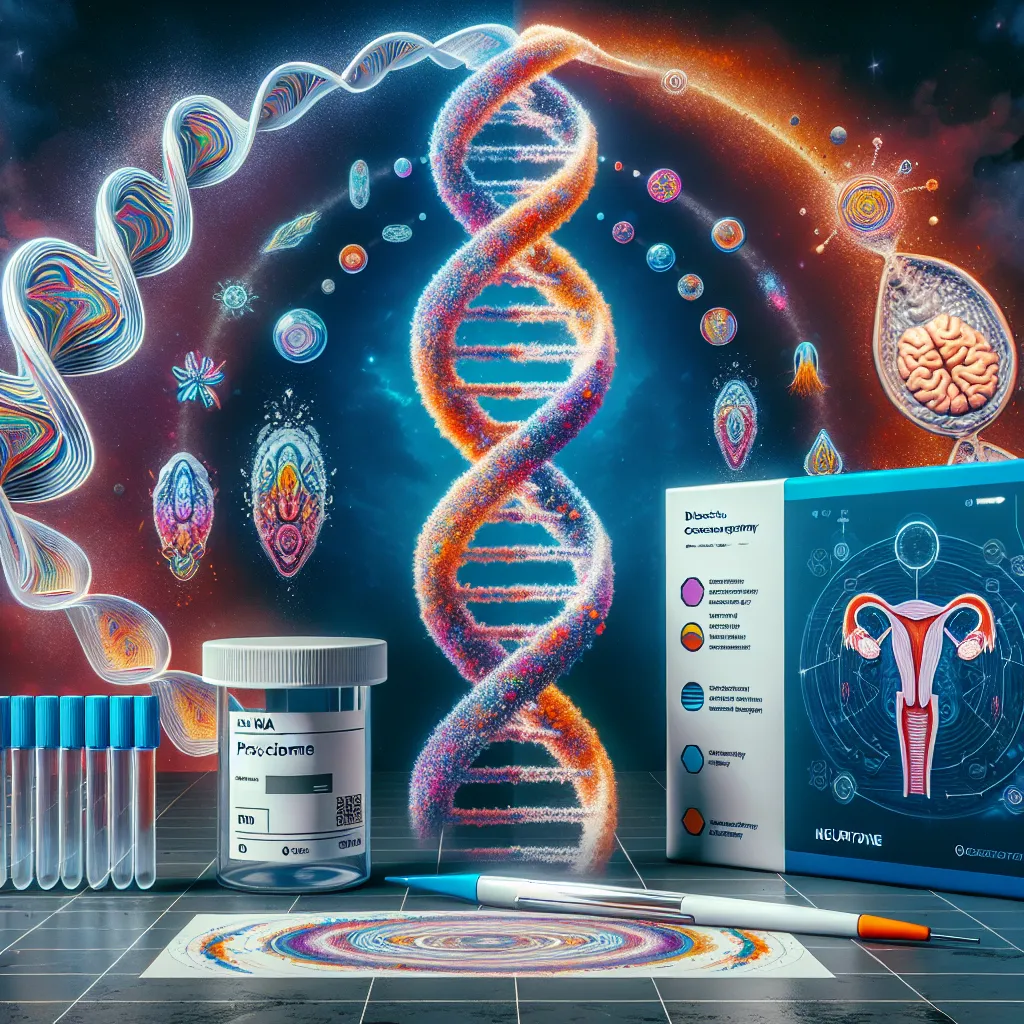
Psychedelic therapy is booming, but current treatments are one-size-fits-all, ignoring differences in individual genetics and gut microbiomes that affect outcomes. Patients experience varied efficacy and side effects. A startup could develop personalized therapy protocols, using DNA and microbiome data to tailor compound type, dosage, and therapeutic approach. Precision medicine is finally merging with mental health, and with regulatory doors opening for psychedelics, the opportunity is now. Example: “NeuroTune” could offer a direct-to-consumer test kit and personalized psychedelic protocol — much like how genetic testing revolutionized oncology treatments — improving outcomes and safety.
Description
No additional description provided.
The Pitch
The landscape of psychedelic therapy is rapidly evolving, promising unprecedented breakthroughs in mental health treatment. However, current approaches remain largely generic, failing to consider the unique genetic and microbiome profiles that significantly influence individual responses. This document explores the potential to transform psychedelic therapy into a personalized treatment modality, addressing both the inefficacy and adverse effects that arise from the one-size-fits-all paradigm.
Background and Problem Statement: The renaissance of psychedelic therapy has been marked by promising reports on its efficacy in treating a range of mental health disorders, including depression, PTSD, and anxiety. Despite these advances, therapy outcomes vary widely among individuals. The inherent complexity of human genetics and microbiomes results in different efficacy levels and side effects, leaving a gap in maximizing therapeutic benefits. This lack of personalization in treatment protocols means many patients do not achieve optimal results, highlighting the need for a more tailored approach.
Solution Overview: Bridging the gap between precision medicine and psychedelic therapy presents an opportunity to revolutionize mental health treatment. By leveraging genetic and microbiome data, personalized therapy protocols can be developed. This involves tailoring the type of psychedelic compound, dosage, and therapeutic approach to each individual's unique biological makeup. Personalized treatments promise to enhance outcomes and minimize side effects, setting a new standard for mental health care.
Product Concept: Consider NeuroTune, a startup poised to lead in this innovative field. NeuroTune could offer a comprehensive service that begins with a direct-to-consumer test kit, allowing individuals to collect DNA and microbiome samples from the comfort of their homes. This data would be analyzed to create a personalized psychedelic therapy protocol, much like the transformation seen in oncology through genetic testing. Healthcare professionals would then use these insights to deliver customized treatments, optimizing therapeutic success and patient safety.
Tools for MVP Launch: 1. Genetic and microbiome analysis kits leveraging existing lab partnerships for processing. 2. AI-driven software for interpreting data and designing personalized therapy protocols. 3. An online platform for users to receive insights and schedule consultations with therapists. 4. Partnerships with mental health professionals trained in psychedelic therapy.
Go-To-Market Strategy: 1. Begin with pilot programs designed in collaboration with mental health clinics and therapists. 2. Utilize digital marketing to reach early adopters, particularly veterans and those in tech-savvy communities. 3. Establish educational partnerships with universities and research institutions to build credibility. 4. Attend and present at mental health and psychedelic conferences to gain visibility and support.
Business Model: - Direct-to-consumer sales for test kits through an online platform. - Subscription-based access to continuous therapeutic updates and support. - Collaboration fees with mental health clinics for client referrals. - Licensing of the predictive algorithm to other mental health practitioners and institutions.
Conclusion: By integrating genetic and microbiome data into psychedelic therapy, the mental health sector stands on the brink of a paradigm shift akin to the precision revolution seen in other fields of medicine. Through NeuroTune or similar ventures, personalized psychedelic therapy can become a reality, offering significant improvements in treatment efficacy and patient well-being. As regulatory landscapes begin to shift, the time is ripe for innovators to step forward and pioneer this exciting frontier.