Personalized PDPs to Reduce Ecommerce Bounce Rates
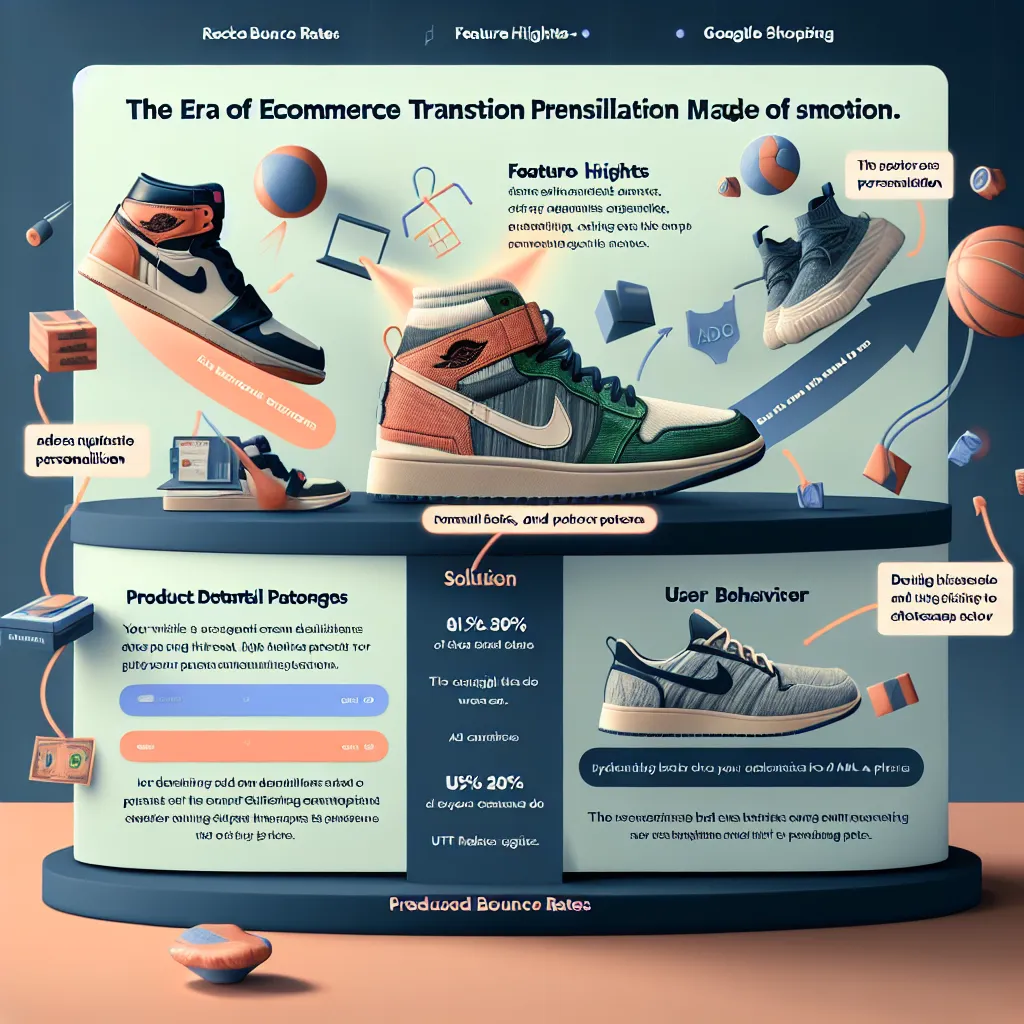
As ecommerce shifted toward mobile and paid ads, a new pattern emerged: visitors now land directly on Product Detail Pages (PDPs), not homepages. But PDPs have the highest bounce rates—2x that of product listings. The problem? These pages aren’t tailored to the visitor’s intent. A sneaker ad clicker and an email subscriber might land on the same PDP, despite vastly different expectations. The solution is a PDP personalization layer: a tool that dynamically rewrites headlines, feature highlights, and image order based on campaign source, user behavior, and even UTM tags. According to the 2025 Benchmark Report, +3% more users now enter on PDPs, but many bounce instantly due to mismatch. A streetwear brand could use this to personalize PDPs for Instagram clicks vs Google Shopping traffic—reducing bounce and boosting conversion.
Description
No additional description provided.
The Pitch
In the digital age, e-commerce has seen a significant transition towards mobile devices and paid advertising. This shift has introduced new browsing patterns, where users often bypass homepages, landing directly on Product Detail Pages (PDPs) instead. The rise of this trend is due to targeted advertising methods that link directly to specific products rather than homepages. According to the 2025 Benchmark Report, there is a 3% increase in users entering sites directly through PDPs. However, with this rise comes a concerning challenge: higher bounce rates on PDPs, which are currently double that of product listing pages.
The Problem
PDPs are a critical juncture where a visitor's initial interest can be converted into a sale. However, the challenge is that these pages are not typically tailored to the individual visitor's intent. This mismatch occurs when visitors, with varied expectations and interests, end up on the same PDP. For example, someone clicking through a sneaker ad may have different expectations compared to someone visiting through a subscription email. Without personalization, these visitors are met with generic content that doesn't cater to their specific motivations, often leading to an immediate bounce.
The Solution
The answer to this challenge is the implementation of a PDP personalization layer. This innovative tool dynamically adjusts elements on a PDP: headlines, feature highlights, and image order are personalized based on several factors such as the campaign source, user behavior, and UTM tags. By adapting to these variables, the PDP becomes more relevant and engaging to each visitor's unique context, effectively reducing bounce rates and boosting conversions.
Product Details
- **Dynamic Headline Rewriting**: Adjusts headlines to align with the visitor's entry point or previous interactions. - **Feature Highlighting**: Selectively emphasizes product features that align with the visitor's perceived needs or browsing history. - **Image Ordering**: Reorganizes images to display those most relevant to the visitor's interests or prior engagements. - **Source-Based Customization**: Uses campaign sources like Instagram, Google Shopping, etc., to tailor the PDP experience. - **Behavioral Adaptation**: Analyzes user behavior to fine-tune PDP elements that resonate more with returning or frequent visitors.
Tools for Launching as an MVP
- **Webflow**: Enables quick design and iteration of dynamic PDP layouts. - **Google Optimize**: Assists in running A/B tests to discover the most effective PDP configurations. - **Segment**: Captures and analyzes user data to inform content personalization. - **Intercom**: Provides real-time user interaction data and feedback tools. - **Zapier**: Integrates various applications to automate data flow and customization triggers.
Go-To-Market Strategy
1. **Initial Targeting**: Focus on e-commerce businesses with a high percentage of mobile traffic and existing paid ad strategies. 2. **Pilot Programs**: Offer tailored pilot programs for select streetwear brands to demonstrate immediate benefits. 3. **Partnerships**: Partner with digital marketing agencies that specialize in e-commerce to amplify reach and adoption. 4. **Webinars and Workshops**: Educate potential customers on the importance and benefits of PDP personalization through engaging content. 5. **Case Studies**: Develop comprehensive case studies showcasing conversion improvements for initial adopters.
Business Model
- **Subscription-Based Model**: Monthly or annual subscriptions tiered based on the number of pages optimized and user customization options. - **Freemium Tier**: A basic version that offers limited personalization features to drive initial interest and showcase potential value. - **Performance-Based Pricing**: For larger clients, offer to align fees with performance improvements, directly linking cost to increased revenue.
In summary, by implementing a PDP personalization layer, businesses can significantly enhance the relevance of their product pages, reducing bounce rates and increasing conversions. This platform offers a scalable solution, adjusting in real-time to the diverse paths visitors take to reach a product, ensuring a seamless alignment with their expectations and needs.