Personalized Neurogenesis Platform for Cognitive Vitality
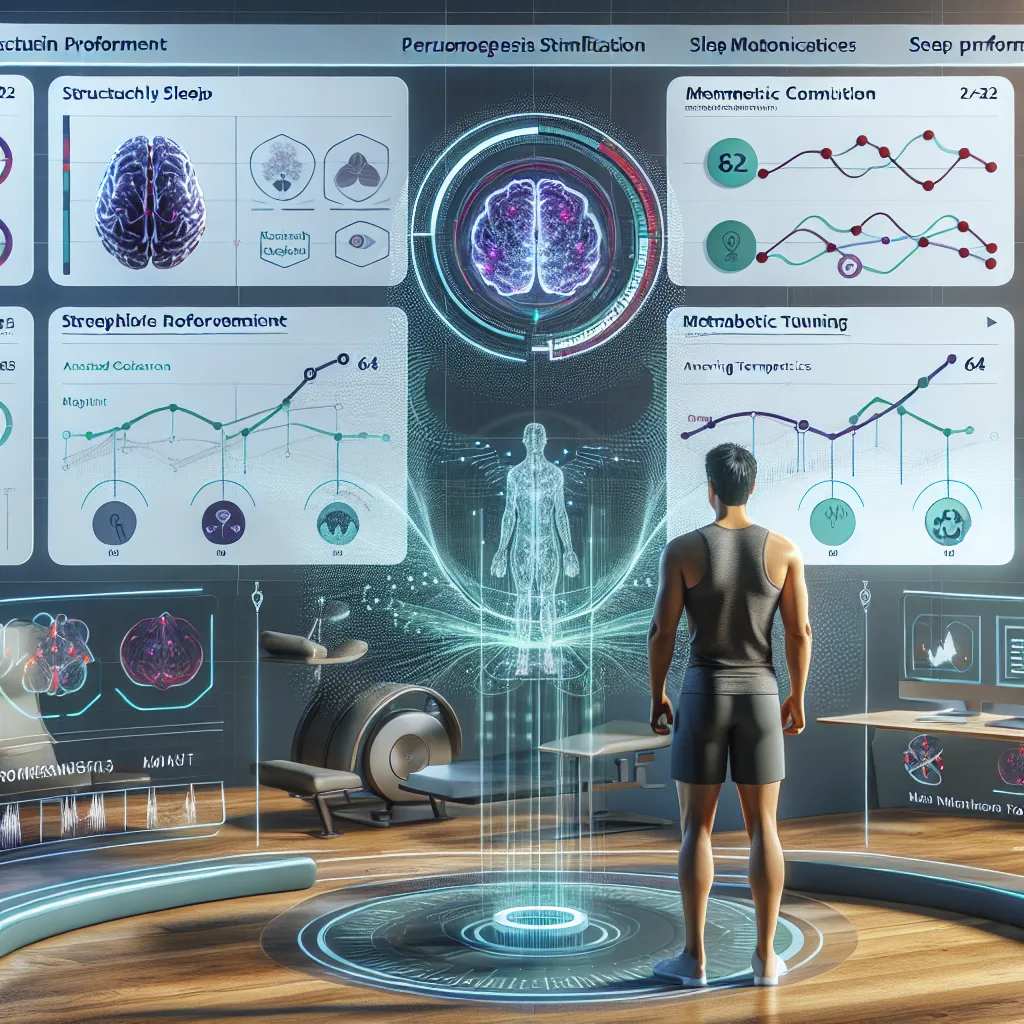
Cognitive decline is treated as inevitable. We accept that memory fades, processing slows, and the best we can do is “maintain” what we have with puzzles and supplements. But new research from Northwestern University shows that so-called superagers in their 80s produce at least twice as many new neurons as their peers, suggesting decline isn’t just about loss — it may be about insufficient regeneration. The opportunity is to build a personalized neurogenesis platform that actively stimulates new neuron growth through structured exercise, sleep optimization, metabolic tuning, cognitive strain protocols, and emerging therapeutics — all tracked against measurable cognitive baselines. Why now: longevity capital is accelerating, consumers already optimize VO₂ max and glucose, and aging populations will pay to preserve mental sharpness. Example: a 64-year-old enrolls in a 12-month program with quarterly cognitive benchmarking, AI-guided training, and a clear scorecard measuring brain performance against age-matched peers.
Description
No additional description provided.
The Pitch
In recent years, the narrative surrounding cognitive decline has shifted from acceptance to challenge. Traditionally, the loss of memory and slowed processing speed in older adults have been seen as inevitable aspects of aging. This perspective has often led to a focus on maintaining current cognitive abilities through passive means such as puzzles and supplements.
However, groundbreaking research from Northwestern University challenges this notion, highlighting the phenomenon of superagers. These individuals, even in their 80s, demonstrate exceptional cognitive sharpness, producing twice as many new neurons as their peers. This finding suggests that cognitive decline is not solely about loss but may also be linked to insufficient regeneration of neurons.
This insight opens up a remarkable opportunity: to develop a personalized neurogenesis platform that not only prevents cognitive decline but actively stimulates the growth of new neurons. The platform would incorporate structured exercise, sleep optimization, metabolic tuning, cognitive strain protocols, and emerging therapeutics—all closely monitored against measurable cognitive baselines.
Why Now?
1. Accelerating Longevity Capital: Investment in longevity and healthspan technologies is increasing, creating fertile ground for innovations focused on cognitive health. 2. Consumer Optimization Trends: People are already investing in optimizing their physical health metrics, such as VO₂ max and glucose levels. A similar opportunity exists for cognitive metrics. 3. Aging Populations: As the global population ages, there is a growing market of individuals willing to invest in preserving their mental sharpness and cognitive capabilities.
Proposed Solution
The development of a personalized neurogenesis platform involves several key components:
1. Initial Assessment: A comprehensive evaluation of cognitive performance, lifestyle habits, and genetic predispositions to tailor a personalized program. 2. Program Design: A curated combination of interventions including exercise regimens, sleep strategies, metabolic balance, mental challenges, and potential therapeutics. 3. Continuous Monitoring: Regular tracking of cognitive performance through quarterly benchmarking and a scorecard that compares progress against age-matched peers. 4. AI Guidance: Leveraging artificial intelligence to interpret data and refine the program dynamically according to user responses and advancements in research.
Product Details
1. User-Friendly Interface: An intuitive application platform accessible via smartphones and computers. 2. Wearable Integration: Support for wearable devices to monitor physical activity, sleep patterns, and metabolic data. 3. Content Delivery: Access to tailored exercise programs, cognitive challenges, nutritional guidance, and therapy options. 4. Community Engagement: Facilitating a supportive community for motivation, sharing experiences, and expert interaction.
Tools for MVP and Launch
1. Development Frameworks: Utilize agile development frameworks to quickly iterate on the platform's design and functionality. 2. Wearable Integration APIs: Leverage existing APIs for data collection from popular wearable devices. 3. AI and Machine Learning: Employ machine learning algorithms for personalized program recommendations and adjustments. 4. Cloud Infrastructure: Use cloud services for scalable data storage and real-time analysis.
Go-To-Market Strategy
1. Targeted Outreach: Begin with pilot programs in partnership with cognitive health and longevity clinics to validate efficacy. 2. Partnerships: Collaborate with corporations and healthcare providers for corporate wellness programs and patient cognitive health initiatives. 3. Educational Campaigns: Increase awareness through seminars, webinars, and informational content about the benefits and science behind neurogenesis. 4. Influencer and Expert Endorsements: Engage with thought leaders in the fields of neuroscience, geriatrics, and wellness to endorse the platform.
Business Model
1. Subscription-Based: Offer tiered monthly or annual subscriptions with varying levels of personalized support and services. 2. Freemium Model: Provide a free basic version with the option to upgrade for enhanced features. 3. Partnership Programs: Develop B2B offerings for healthcare providers and corporate wellness programs.
By addressing cognitive decline proactively through a personalized approach, we can empower individuals to not only maintain but enhance their mental acuity as they age. This innovative platform holds the potential to redefine aging, turning cognitive longevity from an aspiration into a reality.