Personalized Neural Simulations: Test Treatments Safely
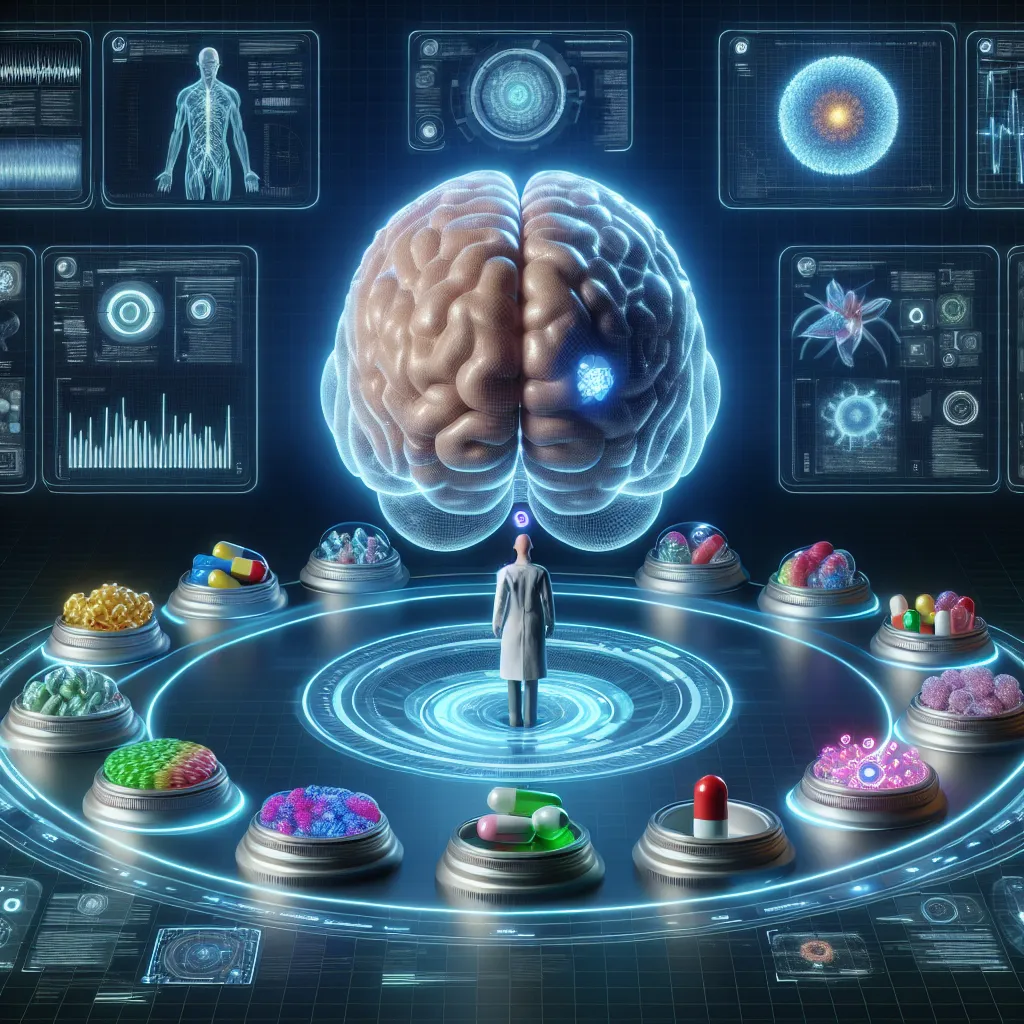
Medicine is still mostly guesswork. You try a drug, wait, adjust, and repeat. It’s slow, expensive, and often frustrating for patients. But if we can replicate how neurons behave and interact with real cells, you can start building personalized neural simulations—essentially a digital (or physical) model of your brain’s response system. Before taking a treatment, you test it on your model. Does this antidepressant work? Does this stimulation pattern help? You find out before it ever touches your body. It’s the same shift we saw in software with staging environments—test first, deploy second—but applied to human biology.
Description
No additional description provided.
The Pitch
Medicine traditionally operates on a trial-and-error basis, where treatments are applied, monitored, adjusted, and then reassessed. This process can be slow, costly, and often exasperating for patients who await effective solutions. The idea of building personalized neural simulations offers a revolutionary approach to medical treatment, allowing for a more precise and customized way to determine the effectiveness of drugs or therapies before they are administered to a patient. This concept parallels the transformation seen in software development with the introduction of staging environments where testing precedes deployment.
### Backstory
The reliance on generalized treatment protocols stems from the historical inability to capture the unique biological intricacies of individual patients. As neuroscience and bioinformatics have advanced, the possibility of mimicking neuronal behavior in a virtual or controlled physical environment has begun to surface. This advancement paves the way for a profound shift in how medical professionals approach treatment strategies, and offers the potential for tailoring therapies to the individual, rather than the population.
### Problem
Patients often experience a frustrating cycle of attempting different medications or therapies until effective relief is found. This not only delays proper treatment but also exposes patients to unwanted side effects and unnecessary stress. The precision of treatment is further hindered by varying responses among different individuals due to genetic, environmental, and biological factors.
### Solution
Implementing a system for personalized neural simulations could revolutionize how treatments are developed and prescribed. By creating digital or physical models of a patient's brain response system, doctors can simulate the effects of a drug or stimulation pattern before it is ever introduced to the body. This facilitates a deeper understanding of what specific treatments are likely to work, dramatically reducing the guesswork and risk associated with current methods.
### Product Details
1. **Personalized Neural Simulation Platform**: - **Core Functionality**: A software platform that integrates patient-specific biological data to create a digital model of the brain’s response system. - **Data Collection**: Collection of neurological, genetic, and medical history data to construct an accurate simulation. - **Simulation Tools**: Technology to test various drugs, dosages, and stimulation patterns on the digital model. - **Analysis Dashboard**: An interface to visualize potential outcomes and side effects, helping to make informed treatment decisions.
2. **Integration**: - Compatible with existing Electronic Health Record (EHR) systems. - Integrates with laboratory and imaging data for comprehensive modeling.
3. **Security and Compliance**: - End-to-end encryption to ensure patient data privacy. - Adherence to regulatory standards such as GDPR and HIPAA.
### Tools for MVP Launch
- **Development Platforms**: Use platforms like TensorFlow or PyTorch for machine learning algorithms; Unity or Unreal Engine for 3D modeling. - **Data Management**: Implement cloud solutions via AWS, Google Cloud, or Azure for secure and scalable data storage. - **Collaborative Tools**: Utilize platforms like Slack or Microsoft Teams for coordinated efforts among development, medical professionals, and stakeholders.
### Go-To-Market Strategy (GTM)
1. **Target Market**: Initially focus on sectors such as neurology, psychiatry, and personalized medicine. 2. **Partnerships**: Collaborate with hospitals, research institutions, and biotech companies to validate and enhance the platform. 3. **Pilot Programs**: Launch pilot projects within a select group of healthcare providers to demonstrate efficacy. 4. **Educational Efforts**: Conduct webinars, workshops, and training sessions for healthcare professionals to familiarize them with the system’s benefits and usage.
### Business Model
- **Subscription Fee**: Offer a tiered subscription model for medical institutions and practitioners, providing access based on the level of usage and features required. - **Consultation Services**: Provide expert consultation for custom integration and optimization of the system within healthcare facilities. - **Data Licensing**: Enable anonymized data collaboration with research entities for ongoing advancements and innovation.
This framework not only offers a groundbreaking solution to an age-old problem but also sets the stage for a more effective and efficient healthcare system, oriented around individual patient needs and evidence-based treatment plans.