Personalized Daily Supplements with Home Nutri-Printer
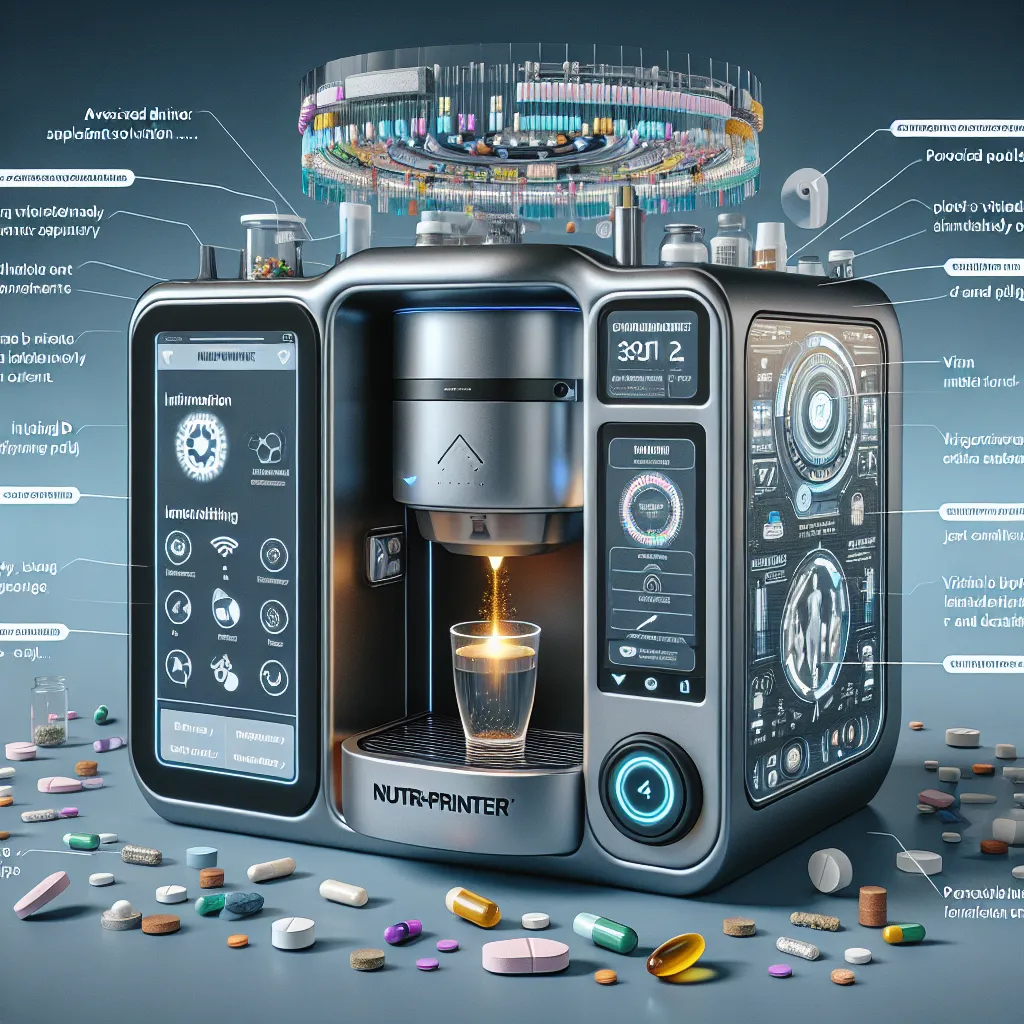
Consumers are drowning in vitamin bottles and contradictory health advice. Personalized nutrition is growing, but fulfillment is still done in bulk—people wait weeks for packets and never adjust in real time. This startup creates a home-based “nutri-printer”—a machine that prints your daily supplement into a single pill each morning based on your biometrics, wearable data, and diet logs. It syncs with your watch, app, or test kit to optimize what you need most that day—vitamin D, zinc, probiotics, electrolytes, etc. Unlike Baze or Rootine, which batch-send packets, this is dynamic, personalized, and printed instantly—think Keurig for supplements. As trends in longevity, biohacking, and AI health coaching explode, this fills a massive infrastructure gap. A user training for a marathon might get increased magnesium and creatine for 10 days, then automatically taper off. Brands could sell ingredient cartridges like Nespresso pods, creating a new health platform for the home.
Description
No additional description provided.
The Pitch
In today's world, consumers face a deluge of vitamin bottles and often contradictory health advice, leading to confusion and inefficiency in personal health management. The rise of personalized nutrition aims to address these challenges, but current solutions often rely on bulk fulfillment models where individuals wait weeks for customized supplement packets that offer little flexibility or real-time adjustments. Moreover, these approaches lack immediate adaptability based on individual daily needs and rely heavily on periodic assessments rather than continuous monitoring.
To bridge this gap, there emerges an innovative solution—a home-based nutri-printer. This cutting-edge machine transforms the process by printing a personally tailored supplement pill every morning. The nutri-printer interfaces seamlessly with wearables, diet logs, and biometrics to deliver precisely what the user needs each day, whether it's vitamin D, zinc, probiotics, electrolytes, or other essential nutrients. By integrating with smart devices such as watches, applications, and test kits, it ensures optimal daily nutrition based on current physical activity, health conditions, and dietary inputs.
In contrast to existing services like Baze or Rootine, which distribute pre-packed supplements in bulk, this solution offers immediate, personalized, and on-demand supplementation. Imagine a Keurig-like device for vitamins and supplements, providing an instant and customized health solution. As the markets for longevity, biohacking, and AI-driven health guidance grow rapidly, this nutri-printer presents an unparalleled opportunity to meet personalized nutritional needs dynamically, creating a new home-based health infrastructure.
For instance, a user training for a marathon could automatically receive increased doses of magnesium and creatine during intensive preparation phases, with the machine adjusting the dosages as necessary over time. Similarly, nutrition brands could develop and sell ingredient cartridges akin to Nespresso pods—a model that not only enhances consumer choice but also opens new revenue streams and business opportunities within the health and wellness market.
To develop and launch this product as a Minimum Viable Product, a structured approach can be employed:
1. Research and Development: Use prototyping tools and technologies such as Arduino or Raspberry Pi for the initial hardware design. Collaborate with software developers to create an intuitive user interface and algorithms that analyze biometric data effectively. Machine learning models can be deployed to refine data processing and recommend supplements accurately.
2. Partnerships: Forge alliances with nutritionists, biohackers, and tech developers early on. Engage with supplement companies to produce bespoke ingredient cartridges, ensuring a diverse and high-quality range of nutrients is available for consumers.
3. Testing and Validation: Conduct thorough testing with potential users in order to collect feedback on user experience and product efficacy. Refine the product based on this feedback, focusing on ease of use, reliability, and personalized effectiveness.
4. Go-to-Market Strategy: Utilize digital marketing campaigns to reach tech-savvy, health-conscious consumers. Leverage social media, influencer partnerships, and health and wellness expos to generate buzz and gain early adopters. Implement a subscription model for refill cartridges, adding predictability to revenue and promoting customer retention.
5. Business Model: The business could adopt a hybrid model with an initial purchase price for the nutri-printer and a recurring subscription fee for ingredient cartridges. Additionally, offer premium services like personalized health insights and tailored supplement schedules for an additional fee to increase revenue streams.
In summary, this nutri-printer stands to revolutionize personalized nutrition by offering an instant, dynamic, and user-focused solution. It positions itself not only as a product but as a holistic platform that adapitates to the ever-changing health needs of users, promising a healthier, more informed lifestyle.