Personalized AI Tutors: Revolutionizing Online Learning Courses
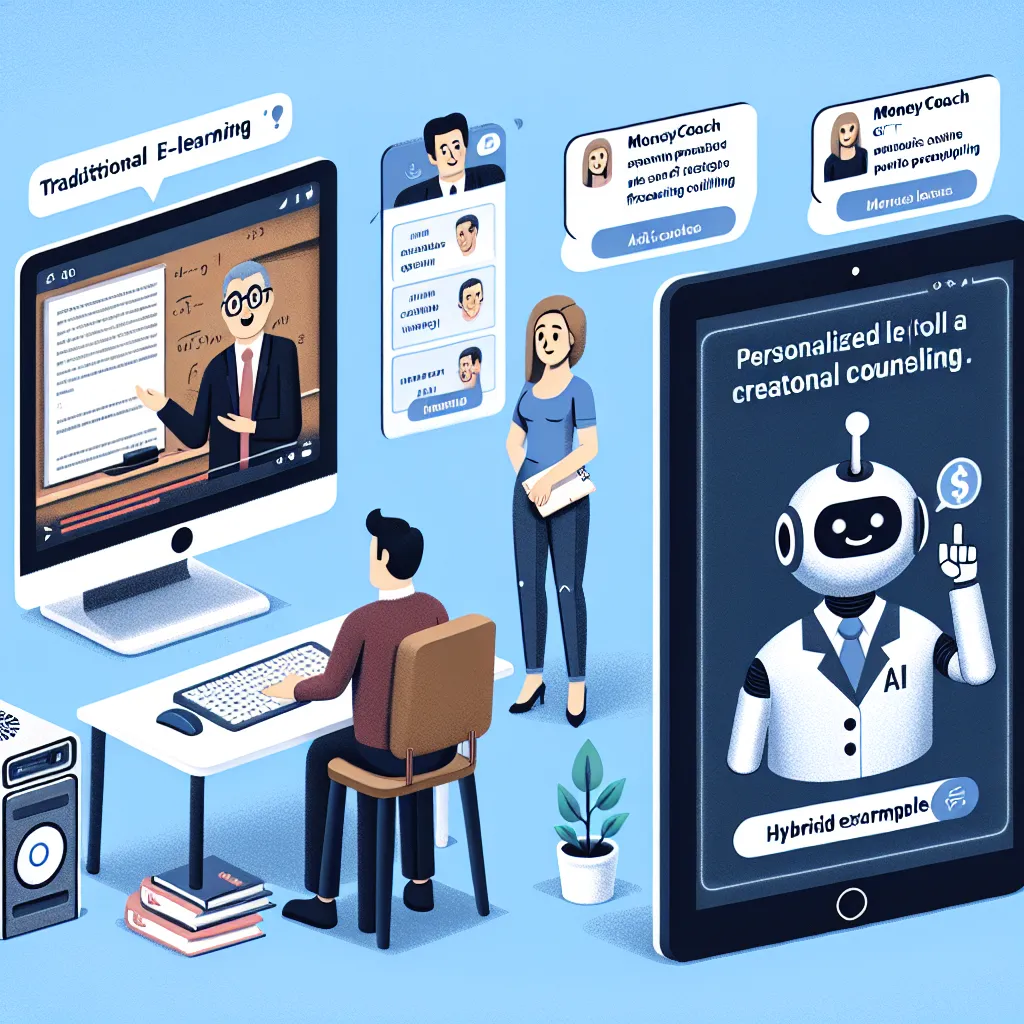
As AI begins to replace static online courses with dynamic, personalized interactions, creators face the risk of being bypassed entirely. Learners are turning to tools like ChatGPT for instant, customized guidance, making traditional video courses feel outdated. A white-labeled custom GPT platform solves this by enabling creators to upload their content and spin up branded AI tutors—like “JGPT” for starting a creator business. These models not only speak in the creator’s voice but also guide learners through personalized prompts, exercises, and feedback loops. This preserves the creator’s authority and brand while adapting to the AI-native learning environment. For example, a personal finance expert could create “MoneyCoachGPT,” which helps users budget, set financial goals, and explains tax concepts based on the creator’s own frameworks.
Description
No additional description provided.
The Pitch
In the rapidly evolving landscape of online education, traditional static courses are increasingly being overshadowed by the dynamic, personalized interactions that artificial intelligence can provide. Creators and educators who have traditionally relied on pre-recorded courses or static content are now facing the challenge of staying relevant as learners gravitate towards more interactive and tailored learning experiences, such as those offered by AI-driven tools like ChatGPT. These AI tools offer instant and customized guidance, making standard video courses and tutorials seem outdated and less engaging.
The challenge for content creators lies in maintaining their influence and authority in this changing environment. Without adapting, there's a risk that AI could entirely bypass the creators’ original content, offering learners a detached but personalized learning experience. This is where a new solution presents a significant opportunity: a white-labeled custom GPT platform. Such a platform would allow creators to integrate their unique knowledge and content into an AI-driven learning tool that mimics their style and approach.
By utilizing a custom GPT platform, creators could upload their content and easily create branded AI tutors. For instance, an expert in starting a creator business might develop CreatorBizGPT, which reflects their personal teaching style and insights. These AI models would not just speak with the creator’s voice but would also actively engage learners through customized prompts, interactive exercises, and responsive feedback loops. This ensures that the essence of the creator’s brand and authority is preserved while adapting to the demands of an AI-centered learning paradigm.
For a practical illustration, imagine a personal finance guru who wants to expand their reach. Using the custom GPT platform, they could develop FinanceGuruGPT. This AI-powered tutor could help users with tasks like budgeting, setting financial goals, and understanding tax concepts, all guided by the expert's methodologies and frameworks.
To build and launch this as a Minimum Viable Product (MVP), creators would benefit from using a combination of essential tools and strategies. The platform itself would need to be user-friendly, ideally supported by backend infrastructure such as cloud-based storage and machine learning integration to handle content processing and AI training. Creators could further employ web development tools to create an intuitive interface and analytics tools to refine and optimize the user experience based on feedback and data.
The go-to-market (GTM) strategy would focus on leveraging the creator's existing audience as early adopters while expanding to new user segments through strategic partnerships and marketing initiatives, such as webinars, online forums, and social media engagement. Building a community of users who are engaged and willing to provide feedback is crucial to iterate and improve the product continuously.
As a business model, creators could adopt a subscription-based approach, offering tiered access levels to cater to different audiences, from casual learners to advanced practitioners. Additionally, offering freemium options or one-time purchase modules could attract a broader audience initially hesitant to commit to a subscription. Collaboration with other educators and content creators could also create a network effect, driving further adoption and scaling the platform's reach.
In conclusion, transitioning to a dynamic, AI-driven education model not only meets the current market demand for personalized learning but also secures the creator's relevance and authority in a rapidly changing digital landscape. By building and launching a custom GPT platform, creators can offer an innovative, interactive learning experience that aligns with the expectations of modern learners.