Personalized AI: Aligning Decisions with Your Values
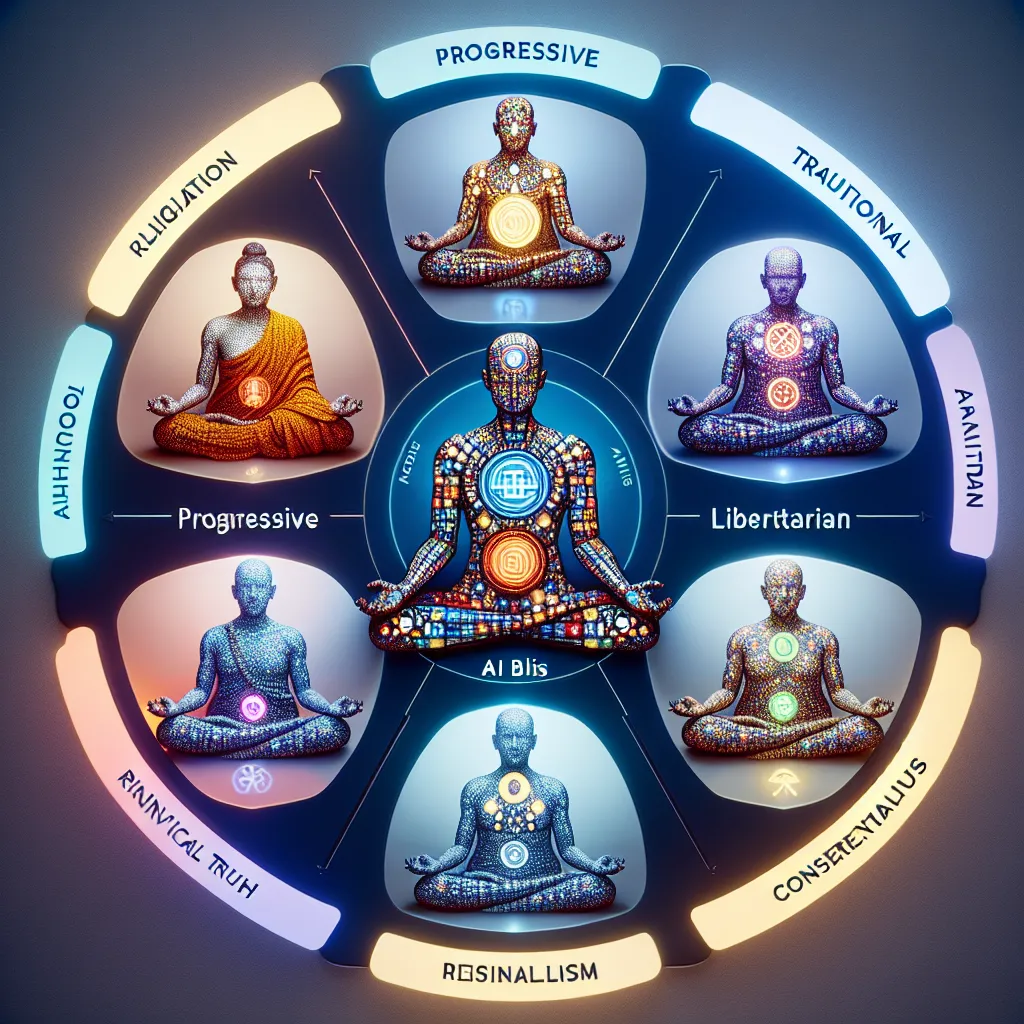
As AI becomes embedded in everyday decisions—from parenting to investing to dating—people will want AI that reflects their values, not just cold logic or tech-optimism. But current tools don’t ask what you believe, only what you want to do. The AI Belief Engine changes that: it’s a layer where you define your worldview (progressive, traditional, libertarian, religious, etc.), and that belief system configures how your agents act and advise you. It solves the growing disconnect between values and automation, letting users align AI behavior with personal ethics, cultural norms, or even spiritual frameworks. As Balaji says, AI will be polytheistic—so let users pick their pantheon. For example, a user might toggle between a Buddhist “compassion-first” AI, a rationalist “truth-maximizing” AI, or a conservative “family-values” AI, each changing how advice is generated and decisions are weighed.
Description
No additional description provided.
The Pitch
In an era where artificial intelligence influences almost every aspect of our lives—from parenting guidance to financial advice to dating decisions—it is becoming increasingly vital for these digital allies to reflect the personal values of their users. Current AI systems largely operate based on logic and predictive algorithms without accounting for individual belief systems or ethical considerations. This gap between automation and personal values can lead to frustrating experiences for users who feel that their AI counterparts do not truly represent their unique perspectives.
Backstory: As AI technologies continue to evolve, they have brought about significant transformations in how we approach various domains such as lifestyle, productivity, and decision-making. Despite these advancements, AI tools are often designed with a one-size-fits-all mindset. This approach neglects the diverse worldviews individuals hold, creating a disconnect between users and the technology meant to assist them. As users become more informed and discerning, they seek systems that not only perform tasks efficiently but also embody their ethical beliefs and cultural norms.
Problem: The primary issue with existing AI systems is their inability to adapt to and reflect the personal belief systems of the users. People do not merely want AI that tells them what to do based on a generalized notion of efficiency or accuracy; they crave a system that understands and respects their ethical principles, cultural norms, and even spiritual inclinations. This limitation leaves users with AI solutions that may inadvertently propose actions or advice that clash with their value systems.
Solution: Enter the AI Belief Engine—a revolutionary platform designed to bridge the gap between technology and personal values. This innovative layer allows users to define their worldviews, whether they are progressive, conservative, libertarian, religious, etc. The Belief Engine configures AI behaviors and decision-making processes to align with these defined belief systems, ensuring advice and actions are consistent with the user's ethical framework. Just as Balaji suggests, AI will be polytheistic, enabling users to select their pantheon of values. Users can seamlessly switch between different AI models, such as a Buddhist compassion-first AI, a rationalist truth-maximizing AI, or a conservative family-values AI, each delivering tailored advice based on the selected ethos.
Product Details and Tools for MVP Launch: The AI Belief Engine is designed to be flexible, user-friendly, and highly customizable. Key features include:
- User Profiling: A comprehensive dashboard where users can define their personal beliefs and values. - Customizable AI Settings: Options to toggle between various pre-defined AI personas, such as religious or philosophical archetypes. - Integration Capabilities: Easy integration with existing AI applications, enhancing them with belief-based configurations. - Feedback Loop: Mechanisms for users to provide feedback and continuously refine their AI's response to align with changing beliefs or nuanced perspectives.
To develop this as a Minimum Viable Product, tools such as TensorFlow for AI development, Docker for application deployment, and user interface frameworks like React can be utilized. Early prototypes might focus on a limited set of belief systems, gradually expanding based on user feedback and demand.
Go-To-Market Strategy: 1. Target Audience: Begin with tech-savvy individuals and communities with strong cultural or ethical inclinations who will appreciate the ability to customize AI behavior based on personal or group values. 2. Partner with Influencers: Engage with thought leaders in ethics, philosophy, technology, and religious communities who can advocate for the importance of value-aligned AI. 3. Beta Testing: Launch a beta version with a selective audience, allowing them to test, provide feedback, and help refine the product. 4. Content Marketing: Educate potential users through blog posts, webinars, and case studies highlighting scenarios where value-aligned AI provides superior outcomes.
Business Model: - Freemium: Offer a basic version of the Belief Engine for free, with limited persona options and customization features. - Subscription: Provide a premium tier with advanced features, including extensive persona libraries, more nuanced settings for belief configurations, and priority customer support. - Enterprise Solutions: Develop bespoke solutions for organizations requiring AI systems aligned with corporate values or specific ethical standards.
Conclusion: The AI Belief Engine stands at the forefront of a new wave in technology, one that prioritizes human values as much as technological precision. By empowering users to shape the AI that helps govern their decisions, this platform not only solves a crucial issue in the AI domain but also redefines the relationship between humans and machines. It's not just about smarter AI—it's about smarter, more aligned AI that respects and reflects what truly matters to each user.