Personal Health AI with Agent Memory
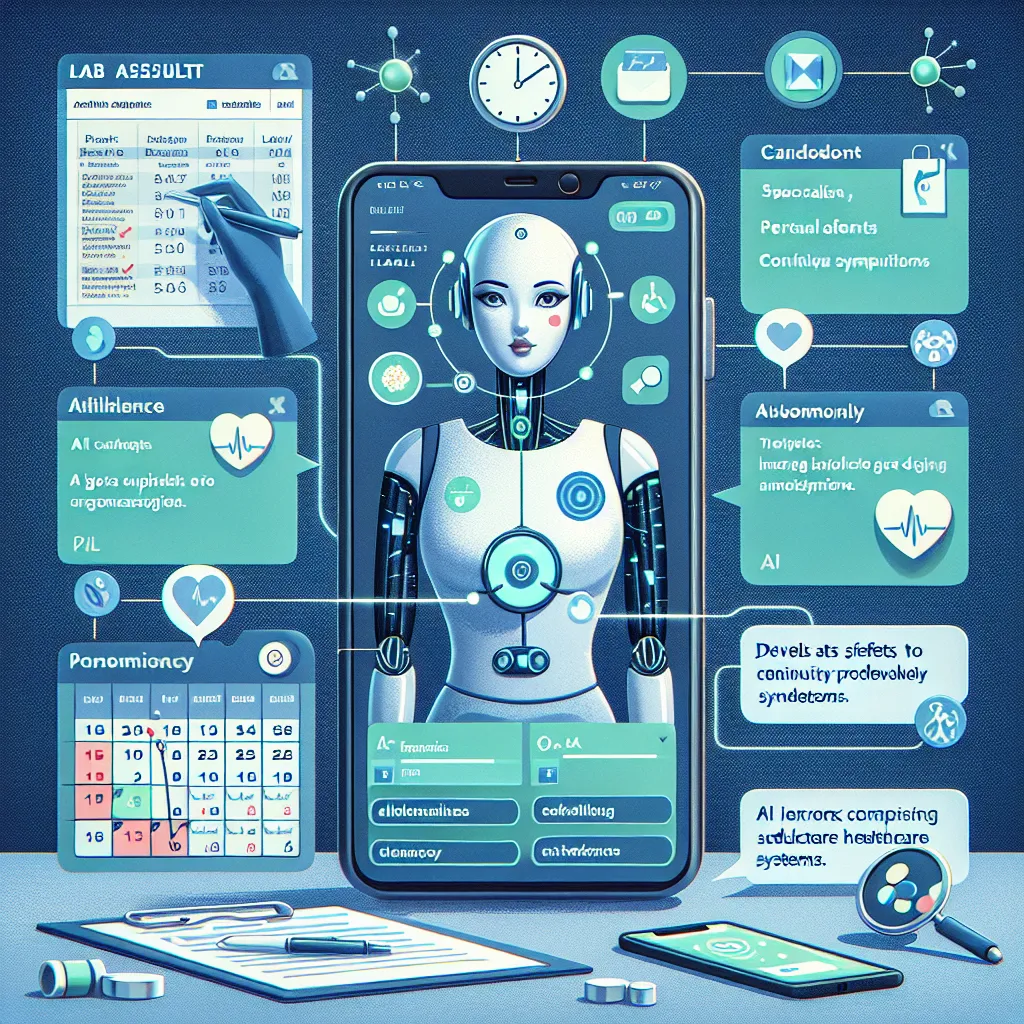
Healthcare is fragmented — patients juggle portals, appointments, prescriptions, and insurance with no persistent help. The problem isn’t data access; it’s guidance and continuity. The solution is a memory-driven AI health agent that autonomously helps users navigate care: scheduling visits, translating records, managing meds, and tracking goals. Unlike symptom checkers, this agent remembers context and adapts across time. Why now? Agentic AI systems, LLM memory, and health APIs (Redox, Particle Health) are finally mature. Example: Mira, your AI health agent, notices your recent lab results are abnormal, schedules a specialist, pre-authorizes insurance, and texts a question to clarify symptoms — all without you asking.
Description
No additional description provided.
The Pitch
Navigating the healthcare landscape is increasingly complex for patients, who often struggle to manage multiple aspects of their health care. From coordinating appointments and accessing medical records to handling prescriptions and understanding insurance policies, the current system lacks the seamless integration and personalized support that patients need. While access to data has improved, the challenge remains in providing continuous guidance tailored to individual needs.
The proposed solution is an AI-driven health agent designed to alleviate these pain points. This intelligent assistant will autonomously assist users in managing their healthcare journeys by scheduling doctor visits, interpreting medical records, organizing medications, and monitoring health-related goals. Unlike existing symptom-checking tools, this agent will have the capability to retain context and adapt its assistance over time to better align with each user's unique health journey.
The timing is ripe for this innovation due to the advancements in agentic AI systems, long-term memory capabilities of large language models, and the availability of health APIs such as Redox and Particle Health. These technological developments enable the creation of a robust AI health agent platform that can efficiently integrate with existing healthcare systems and provide a seamless user experience.
To illustrate, consider the example of an AI health agent named Mira. Mira can identify when a user's lab results are outside the normal range, proactively schedule an appointment with a specialist, handle the pre-authorization process with the insurance provider, and communicate with the user via text to gather additional information about their symptoms—all autonomously.
The journey to building this platform can be simplified using the following components:
1. **Development Tools**: Utilize platforms like TensorFlow or PyTorch for building the AI model, which will be designed to understand and interact with user data. Integrate with API services such as Redox and Particle Health for accessing healthcare data and services seamlessly.
2. **Memory and Context Retention**: Implement memory-focused AI algorithms that leverage frameworks such as LangChain to ensure the agent can recall previous interactions, providing users with consistent and evolving support.
3. **User Interface and Experience**: Develop a user-friendly interface using React Native or Flutter, ensuring the application is accessible on both Android and iOS devices, thus maximizing reach and ease of use.
4. **Security and Compliance**: Ensure the platform adheres to HIPAA and GDPR regulations for healthcare data privacy and security, employing tools like Vanta for compliance monitoring and maintenance.
5. **Growth and Market Strategy**: Initial market entry can target tech-savvy individuals and early adopters who are frustrated with the current healthcare management process. A strong emphasis on partnerships with healthcare providers and insurance companies will be crucial for gaining credibility and user trust. Marketing efforts can capitalize on digital channels, leveraging content marketing, and influencer collaborations in the health and wellness sector to increase visibility.
6. **Business Model**: The platform can adopt a subscription-based model, offering tiered pricing for different levels of service customization and access. A freemium version could provide basic functionalities, with premium features available in paid plans. Additional revenue streams can be explored through B2B partnerships with healthcare institutions and insurance companies offering the service to their patients or members as a value-added benefit.
By harnessing cutting-edge AI technology and integrating it within the existing healthcare framework, this AI health agent can transform the way patients interact with and manage their health care, ultimately leading to better health outcomes and improved user satisfaction.