Peer-to-Peer Returns for E-Commerce Sustainability
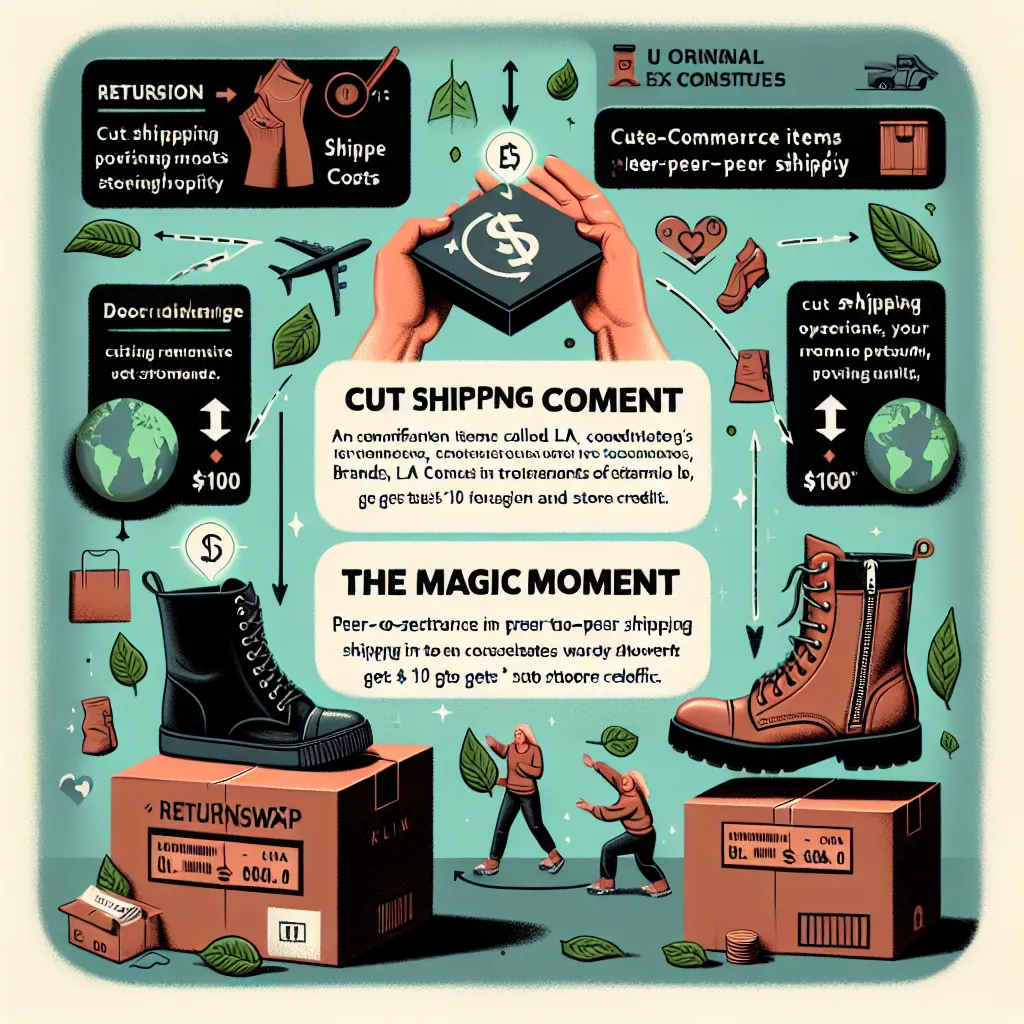
Returns crush margins for e-commerce brands, especially when items are perfectly good but get shipped cross-country. ReturnSwap turns that cost center into a win: when a return is initiated, it checks for another customer in the same area who wants that item. If matched, it coordinates peer-to-peer shipping or pickup — rewarding the returner with store credit and saving the brand restocking costs. Why now? The logistics stack (APIs, warehousing) is modular, and consumers are sustainability-conscious. Example: A shopper in LA returns size 9 boots. Instead of sending them to a warehouse, ReturnSwap finds another LA customer who just joined the waitlist for that item. The system offers the original buyer $10 credit to ship directly, and both parties benefit. Brands cut shipping costs and boost CSAT, all with a “magic moment” experience.
Description
No additional description provided.
The Pitch
In the evolving landscape of e-commerce, managing returns has become an increasingly complex and costly endeavor for brands. The rise of fast fashion, combined with the convenience of online shopping, has led to higher return rates, often straining logistics and customer satisfaction metrics. Many items that are returned are in perfect condition but require shipping back to central warehouses, incurring expenses in transportation and restocking while also influencing the sustainability concerns of modern consumers.
**Problem:** Returns are a significant cost center for e-commerce brands. The traditional return process involves shipping items back across the country to warehouses, which not only incurs shipping and handling costs but also results in negative environmental impacts. This process affects customer satisfaction and erodes brand loyalty, as delays and return-related issues tarnish the shopping experience. Additionally, increasing consumer consciousness around sustainability and environmental impact has put pressure on brands to find greener solutions to returns.
**Solution:** ReturnSwap offers an innovative solution to this problem by transforming the returns process into an opportunity for customer satisfaction and cost efficiency. The service promotes a peer-to-peer model where returned items are matched with new customers in the same geographical area. This approach reduces unnecessary shipping, enhancing sustainability, and improves the overall customer experience.
**Product Details:** When a customer initiates a return, ReturnSwap identifies another customer nearby who is interested in that item. The system then facilitates local peer-to-peer exchanges, either through direct shipping or local pickup points. This model benefits the original buyer by offering store credit as an incentive for participating in the program, while the receiving customer enjoys faster access to products. By leveraging existing logistics and warehousing APIs, ReturnSwap seamlessly integrates with brands’ existing infrastructure, ensuring smooth operations without additional burdens.
**Tools for MVP Launch:** - **API Integration:** Utilize logistics and warehousing APIs to enable smooth coordination of inventory and shipping. - **Location-Based Matching Algorithm:** Develop a robust algorithm to match customers effectively based on location and product interest. - **Mobile and Web Apps:** Create user-friendly platforms for both returners and receivers to manage transactions and communications. - **Incentive Management System:** Build a system to handle the issuance and tracking of store credits and other customer rewards.
**Go-To-Market Strategy (GTM):** - **Partnerships with E-commerce Platforms:** Forge alliances with major e-commerce platforms to offer seamless ReturnSwap integration as part of their offerings. - **Brand Collaborations:** Launch pilot programs with select fashion and retail brands to demonstrate value and collect data-driven case studies. - **Sustainability Campaigns:** Utilize marketing to highlight the environmental benefits of using ReturnSwap, aligning with customer values around sustainability. - **Influencer and Social Media Marketing:** Engage with sustainability influencers and spread awareness through digital platforms.
**Business Model:** ReturnSwap operates on a SaaS model, charging e-commerce brands a subscription fee. The fee structure may be tiered based on the volume of transactions processed. Additionally, brands can opt for premium packages that include customized features or enhanced service levels. A transaction fee could also be applied for each successful peer-to-peer swap, providing another revenue channel.
By turning a traditional cost center into an opportunity for profit and customer satisfaction, ReturnSwap empowers brands to address financial and environmental challenges associated with product returns.