Peer-to-Peer Platform for Trading Travel Perks
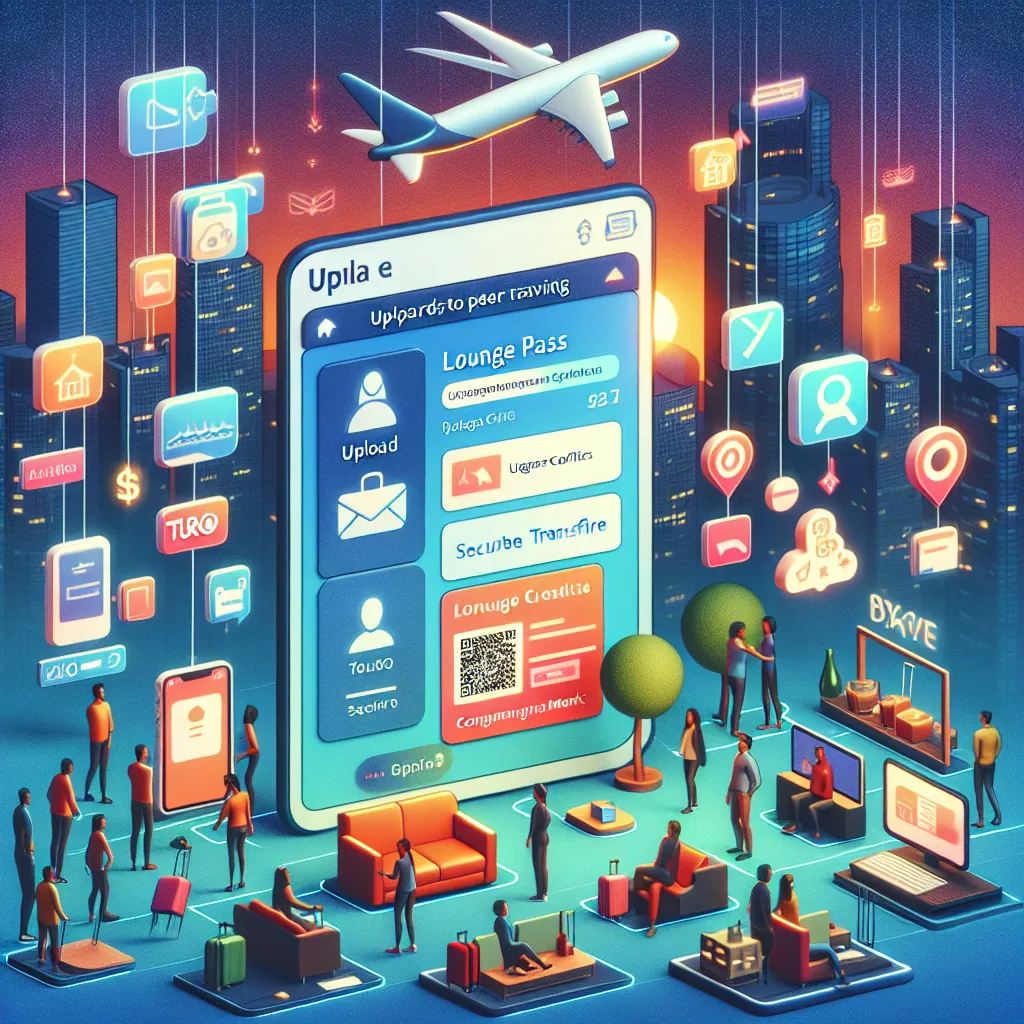
Tons of loyalty perks—like lounge passes, upgrade certificates, or hotel credits—go unused simply because people don’t travel at the right time. But there’s no easy way to give these perks to someone else. This startup creates a peer-to-peer platform where travelers can gift, swap, or sell unused perks within brand rules. Think Venmo meets SeatGeek for loyalty assets. With consumers seeking flexibility and platforms like Turo and Airbnb normalizing peer access to private assets, this fills a huge gap. For example, someone stuck working during spring break could transfer their unused lounge pass to a friend headed to Miami—instantly and securely.
Description
No additional description provided.
The Pitch
In recent years, consumer behavior has increasingly shifted towards a desire for flexibility and maximizing the utility of owned resources. As this shift continues, numerous loyalty program perks — such as lounge passes, upgrade certificates, and hotel credits — often go unused simply because the individual's travel plans do not align with the availability of these perks. This unmet need presents an exciting opportunity for innovation within the travel and hospitality sector.
Identifying the Problem: The core issue lies in the rigid framework of existing loyalty programs. Despite the abundance of perks available to travelers, a significant portion goes to waste due to their non-transferable nature. Traditional loyalty programs are designed to reward individual members, leaving no easy way to gift, swap, or sell these perks to others. Missing out on utilizing these perks can result in a sense of lost value for the traveler.
Proposed Solution: To address this gap, we envision the development of a peer-to-peer platform designed for the exchange of loyalty perks. This solution, akin to combining the functionalities of Venmo and SeatGeek, would allow consumers to flexibly manage and maximize the value of their loyalty assets. Through secure transactions, travelers can transfer, sell, or gift their perks within the bounds of each brand's rules, thus enhancing the overall utility of these assets.
Product Details: The proposed platform would feature an intuitive interface where users could easily list and discover available perks. Key functionalities would include:
Seamless Listing: Allowing users to list unused perks for gifting, swapping, or selling, specifying any terms or conditions.
Search and Discovery: A robust search engine to help users find perks that suit their needs, categorized by type, brand, or geographic location.
Secure Transactions: Implementing secure payment gateways and verification processes to ensure safe and reliable exchanges.
Brand Compliance: Ensuring platform activities align with brand-specific rules and loyalty program policies through API integrations or partnerships.
Rating and Feedback: Enabling users to rate and review transactions, enhancing trust and community engagement.
Tools for MVP Launch: To bring this concept to life swiftly, the following tools and technologies can be employed for developing a minimum viable product:
No-Code Platforms: Utilize tools like Bubble or Adalo for rapid prototyping and development of the application interface.
Payment Integration: Leverage Stripe or PayPal for secure and straightforward payment processing.
User Authentication: Use Auth0 for streamlined user authentication and authorization processes.
API Integrations: Connect with loyalty programs' APIs for real-time validation and compliance with rules.
Feedback and Analytics: Incorporate tools like Mixpanel or Google Analytics to track user behavior and iterate on the platform features.
Go-to-Market Strategy: Developing a comprehensive go-to-market strategy will be key for reaching potential users:
Targeted Marketing: Focus on frequent travelers and tech-savvy individuals who are already familiar with similar concepts in the sharing economy.
Partnerships: Collaborate with airlines, hotels, and travel agencies to promote the platform to their loyalty members.
Influencer Campaigns: Engage travel influencers and bloggers to create awareness and drive user adoption.
Pilot Programs: Launch small-scale pilot programs with select loyalty programs to demonstrate platform effectiveness and gather initial feedback.
Business Model: The platform would operate on a freemium or commission-based model:
Transaction Fees: Charge a small commission on each transaction facilitating the exchange of perks.
Premium Memberships: Offer subscription-based memberships providing enhanced features like priority listings or reduced transaction fees.
Brand Partnerships: Develop partnerships with brands for exclusive access or features, generating additional revenue streams.
Conclusion: By developing a peer-to-peer platform that allows for the flexible management of loyalty perks, the travel industry can significantly enhance the value and satisfaction derived from loyalty programs. This innovative solution addresses a critical pain point and aligns well with current trends towards flexibility and resource optimization, promising to transform how consumers engage with and benefit from loyalty assets.