Pay-to-Message: Monetizing Attention to Reduce Spam
Unsolicited messages waste your time because there’s no cost to send them, flooding inboxes with spam and low-quality outreach. Pay-to-Message fixes this by requiring unknown senders to attach a small payment (e.g., $0.10–$1) to every cold message attempt. If you ignore the message, you keep the money; if you engage, you refund it. This mechanism filters out junk by adding friction, without banning legitimate outreach. Why now? AI tools make it cheaper than ever to mass-blast cold messages, but micropayment systems (crypto, fintech APIs) are mature enough to add low-friction fees. Example: You receive a LinkedIn cold DM request — the sender has staked $0.50. If you ignore it, you’re paid for your attention. If the pitch is good, you open it and refund the money. Attention becomes a scarce resource, and low-effort spammers are priced out.
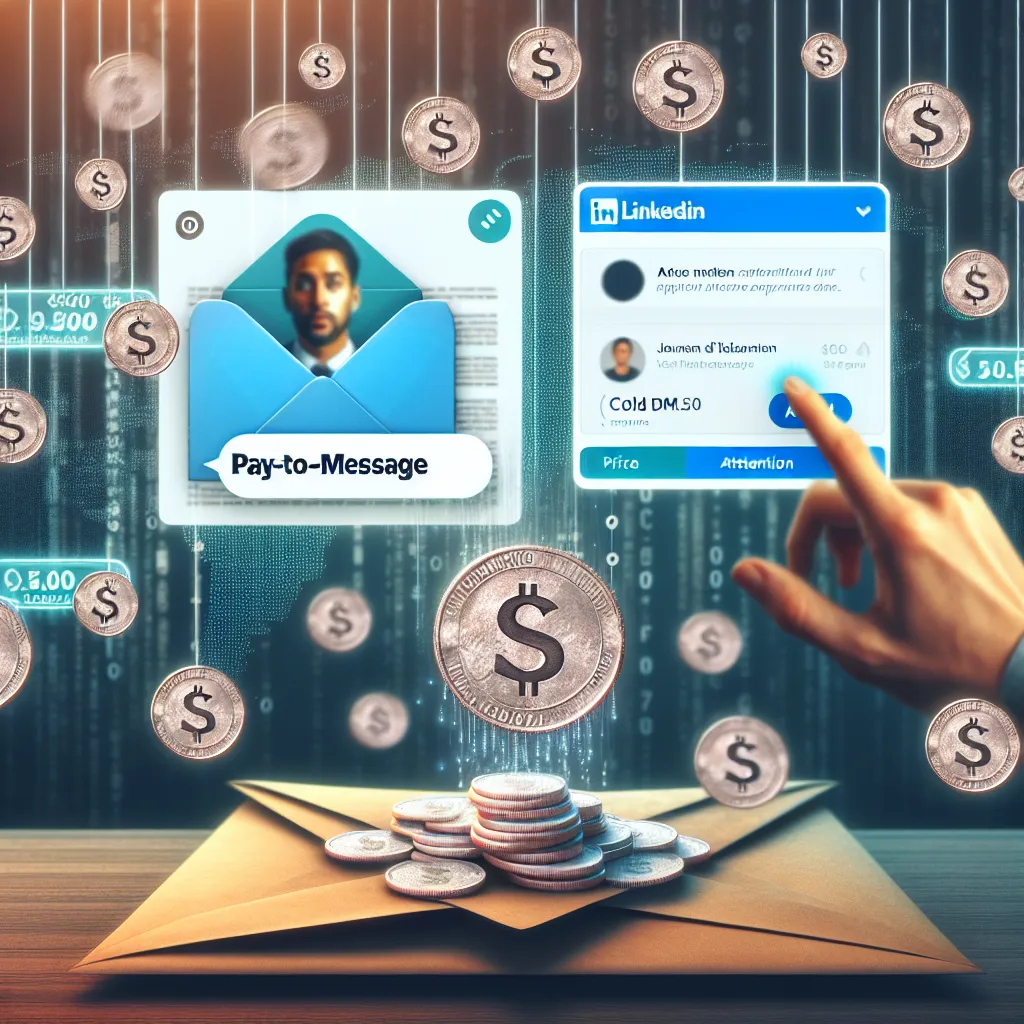
Description
No additional description provided.
The Pitch
In the digital age, communication has become effortless, but this ease has led to a deluge of unsolicited messages. Email, social media, and professional networking platforms are inundated with spam and low-quality outreach. This surplus makes it challenging for individuals to identify and engage with messages that truly matter. The increasing accessibility of AI tools has further exacerbated this problem by enabling the mass production and distribution of cold messages at minimal cost.
---
**Problem**
The core issue stems from the lack of a barrier to sending unsolicited messages. This absence of friction results in crowded inboxes filled with spam, reducing the likelihood that valuable messages are seen and addressed. Recipients often feel overwhelmed and wasting time sifting through unwanted content. The traditional methods to counteract this, such as spam filters and blocking, have not fully solved the problem and can sometimes prevent legitimate outreach.
---
**Solution**
Introducing a Pay-to-Message system that integrates a micropayment requirement for sending cold messages. This system obliges senders to attach a small payment (for example, $0.10 to $1) with their message. If the recipient ignores the message, they keep the money, compensating them for their attention. If they decide the message is worthwhile and engage with the sender, they refund the payment. This method offers a balanced approach, filtering out low-effort spammers while allowing genuine communication to occur.
---
**Product Details**
The Pay-to-Message platform can be seamlessly integrated into existing communication channels like LinkedIn, email, or other networking services through APIs. Users would have a customizable dashboard to set their preferred message price range and manage their message flow. The platform will feature:
- **Payment Gateway Integration**: Utilize secure micropayment systems, including cryptocurrencies and fintech APIs, to process transactions. - **User Dashboard**: Allow users to set message fees, view message history, and handle payment transactions. - **Analytics**: Offer insights into message interaction rates and potential outreach trends. - **Security and Privacy Features**: Ensure the safety and confidentiality of communication and payment details.
---
**Tools for MVP Launch**
To bring the product to market quickly and effectively, use the following stack:
- **Backend Development**: Node.js or Django for creating a robust server-side framework. - **Frontend Development**: React or Angular for a responsive and interactive user interface. - **Payment Integration**: Stripe or PayPal to facilitate easy micropayment processing. - **Database**: Use MongoDB or PostgreSQL for storing user data securely. - **Deployment**: AWS or Heroku for reliable and scalable cloud hosting.
---
**Go-to-Market Strategy**
1. **Target Audience Identification**: Focus on professionals and businesses that regularly engage in networking and outreach, such as sales teams, recruiters, and freelancers.
2. **Partnerships**: Collaborate with platforms like LinkedIn or popular email clients to integrate the Pay-to-Message system directly into their messaging features.
3. **Content Marketing**: Develop informative content highlighting the benefits of Pay-to-Message, using blogs, webinars, and case studies to educate potential users.
4. **Early Adopter Incentives**: Offer discounts or bonus credits to initial users to drive adoption and gather feedback for further feature refinement.
5. **Feedback Loop**: Maintain open communication with users to iterate quickly based on their experiences and needs.
---
**Business Model**
The revenue model centers around transaction fees, taking a small percentage of each payment processed through the platform. Additionally, offer premium offerings such as advanced analytics and higher transaction limits for enterprise clients. Potential upsells could include customization services for businesses wanting to align the tool with their specific needs.
By transforming attention into a valued commodity, Pay-to-Message offers a sustainable solution to the current challenges in digital communication, creating a more focused and productive environment for both senders and recipients.
---