Paleoproteomics Kits to Inspire Student Curiosity
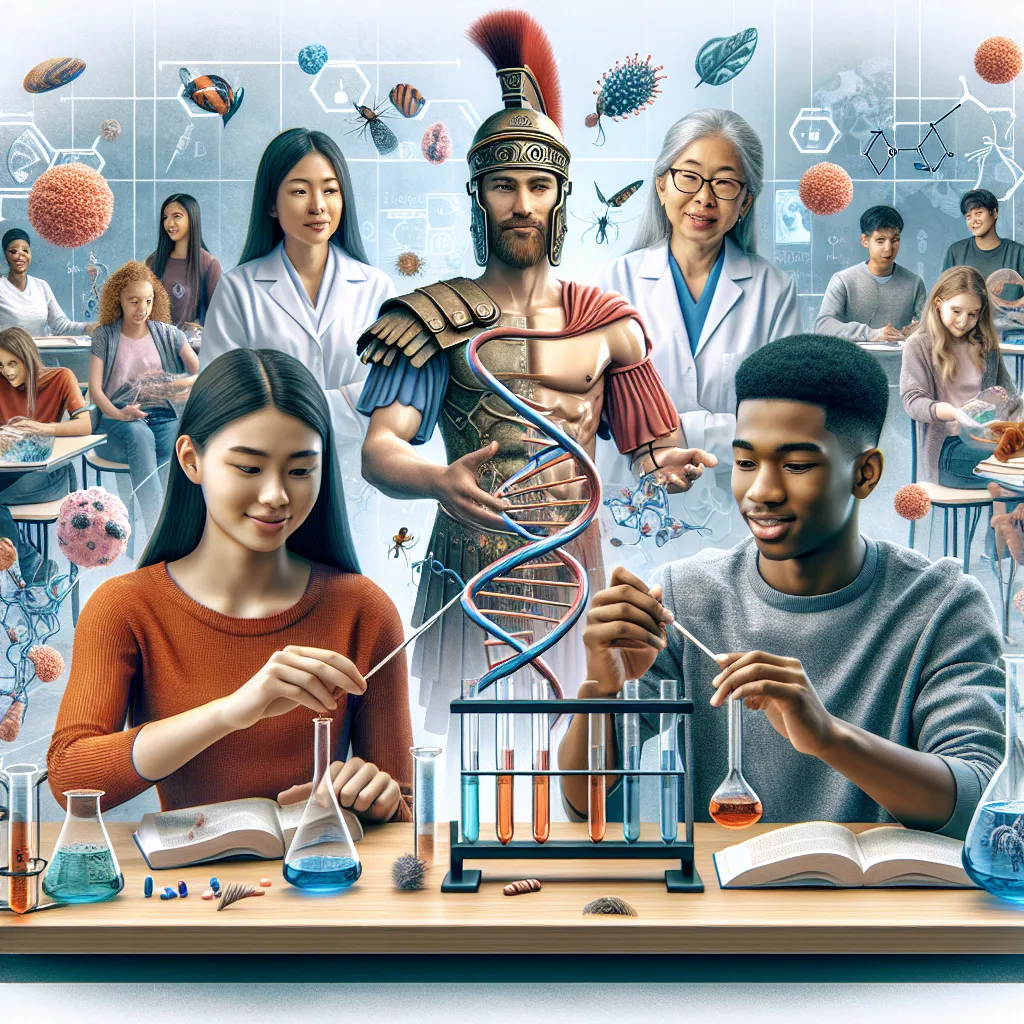
Proteomics is complex, and paleoproteomics even more so—so schools don’t teach it. Yet curiosity about ancient life is high among students. A startup could build at-home or classroom kits that simulate paleoproteomic experiments using safe, modern protein substitutes. These kits would come with hands-on activities, virtual labs, and lesson plans to teach students how proteins can tell us about ancient diets, diseases, and even emotions. The rise of biotech education tools (like CRISPR kits for kids) shows there’s a strong trend toward accessible science education. For instance, a high school biology class could use a kit to “reconstruct” the protein diet of a Roman soldier, sparking interest in science and archaeology.
Description
No additional description provided.
The Pitch
Building an educational toolkit focused on paleoproteomics could address a gap in science education while engaging students with exciting, hands-on learning experiences. This concept taps into the growing trend of making complex scientific fields accessible and intriguing to younger audiences.
**Backstory**
Despite the increasing interest in ancient life and biology, schools often lack the resources or curriculum to delve deeply into specialized fields like paleoproteomics. This field, which studies ancient proteins to gain insights into historical diets, diseases, and emotions, remains largely unexplored in traditional school settings. However, the curiosity among students about these subjects is undeniable. The challenge lies in presenting this complex science in an engaging and understandable way.
**Problem**
The primary issue is the inaccessibility of specialized science education in schools. Topics like paleoproteomics are rarely covered due to the complexity and the lack of age-appropriate materials. Students miss out on the opportunity to explore fascinating concepts that could ignite their passion for biology, history, and archaeology. Traditional educational tools and methods often fail to capture the imagination of students or demonstrate the practical applications of these sciences.
**Solution**
The solution is to develop educational kits that simulate paleoproteomic experiments using safe, modern protein substitutes. These kits would be suitable for home use or classroom settings, breaking down complex experiments into manageable, understandable, and fun activities. The aim is to demystify the science, making it accessible and engaging for students.
**Product Details**
The kits would include:
1. **Protein Substitutes**: Safe materials that mimic real proteins used in paleoproteomics, allowing students to perform experiments without any risk. 2. **Hands-on Activities**: Interactive experiments that guide students through processes like protein reconstruction and analysis. 3. **Virtual Labs**: Augmented reality or online simulations that complement physical activities and provide deeper insights into the science. 4. **Lesson Plans**: Structured guides for teachers to integrate the kits into their curriculum, complete with background information and student assessments. 5. **Story-Driven Scenarios**: Engaging narratives, such as reconstructing the diet of a Roman soldier, to make experiments relatable and exciting.
**Tools for MVP Launch**
1. **Design Software**: Tools like Tinkercad for 3D modeling of kit components. 2. **E-commerce Platforms**: Shopify or Etsy for setting up an online store. 3. **AR/VR Tools**: Platforms such as Unity to develop virtual labs and simulations. 4. **Educational Resources**: Collaborate with educators to refine lesson plans and ensure alignment with curriculum standards.
**Go-to-Market Strategy**
1. **Partnerships with Schools**: Collaborate with educational institutions to pilot the kits and gather feedback. 2. **Online Marketing**: Utilize social media and educational blogs to reach teachers, parents, and students. 3. **Educational Conferences**: Present the product at science and education conferences to gain visibility and credibility. 4. **Influencer Collaborations**: Partner with science communicators and educators to demonstrate the kits and create buzz.
**Business Model**
The proposed business model would focus on a direct-to-consumer and school-based approach:
- **Sales to Schools**: Offer bulk pricing to educational institutions. - **Subscription Model**: Provide monthly or quarterly kit deliveries with new experiments. - **Supplemental Materials**: Sell add-ons such as advanced experiments, virtual reality extensions, and exploration guides.
By addressing the educational gap and thrilling students with an innovative approach to science, this project could foster a new generation of scientists and historians, all while making learning an exciting adventure.