Outcome-Based Health Financing for Chronic Conditions
Chronic health conditions like diabetes, hypertension, or obesity are tied directly to financial strain—yet traditional insurance or payment models don’t reward positive health outcomes. A health-fintech hybrid could finance treatment based on outcomes, not just procedures. Imagine a diabetic patient getting access to a CGM (continuous glucose monitor) and coaching platform—financed with a plan that forgives part of the cost if they hit a daily target over 90 days. The system would verify results via device integration or biometrics and settle payments based on adherence, not just enrollment. Providers get paid more when patients succeed. It flips financing into a “pay for progress” model—turning health improvements into creditworthy behavior.
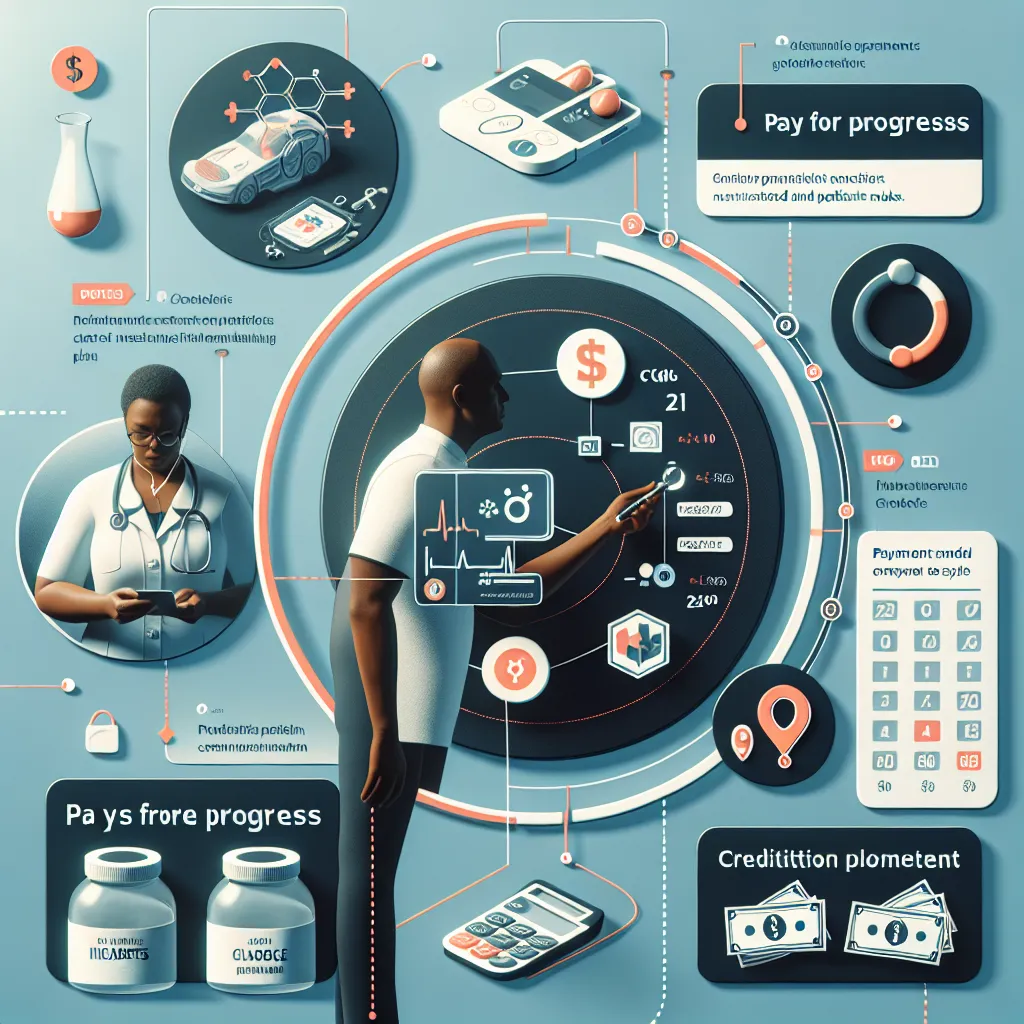
Description
No additional description provided.
The Pitch
Building a health-fintech hybrid solution that addresses the financial strain of chronic health conditions can significantly transform healthcare outcomes. Here is how you can conceptualize and execute this idea:
Background: Chronic health conditions such as diabetes, hypertension, and obesity are pervasive and often come with a high financial burden for both patients and the healthcare system. Traditional insurance and payment models mainly focus on reimbursing for procedures, rather than rewarding positive health outcomes. This often leads to situations where patients can incur escalating costs without seeing improvements in their health.
Problem: The core issue is that there is no direct correlation between financial expenditure and health improvement under the current models. Patients have limited incentives to adhere to challenging health regimens, and healthcare providers are not financially motivated to ensure patient success. This results in a vicious cycle where chronic conditions are poorly managed, costs continue to rise, and patients experience deteriorating health outcomes.
Solution: The solution lies in creating a health-fintech hybrid model that finances treatment based on outcomes rather than just procedures. This model would involve providing patients with necessary healthcare tools and technologies, such as continuous glucose monitors (CGMs), complemented by a coaching platform. The financing structure would be innovative: part of the costs incurred by the patient could be forgiven contingent on meeting specific health targets. For example, if a diabetic patient maintains their glucose levels within a target range over a 90-day period, a portion of their financial obligation could be waived.
Product Details: The product would include the following components: - A mobile or web-based platform that integrates with medical devices like CGMs to track patient health data in real-time. - A coaching element, offering personalized health guidance and motivation to encourage adherence to health regimens. - An intelligent verification system using device integration or biometrics to authenticate adherence to treatment plans and achievement of health targets. - A dynamic payment model that adjusts based on the patient's progress and success in achieving health goals.
Tools for MVP Launch: 1. Utilize existing wearable technology APIs to integrate health data tracking. 2. Deploy a user-friendly interface using platforms like React or Angular for the web and React Native for mobile applications. 3. Use cloud services like AWS or Firebase for secure data storage and processing. 4. Implement AI algorithms for personalized coaching and predictive analytics on patient data. 5. Partner with healthcare providers for medical device procurement and patient onboarding.
GTM Strategy: 1. Partner with healthcare providers and insurance companies to gain access to potential users. 2. Initiate pilot programs to showcase efficacy and gather data for continuous improvement. 3. Develop marketing campaigns highlighting the patient success stories and financial incentives. 4. Use a targeted approach to reach patients with specific chronic conditions, leveraging social media and digital platforms to spread awareness.
Business Model: - Subscription-based model: Offer tiered subscription plans where patients can choose their level of service and coaching frequency. - Outcome-based pricing: Implement a shared savings model with healthcare providers, where savings from reduced medical interventions due to improved patient outcomes are shared. - Partnership agreements with device manufacturers and insurers for broader distribution and financing solutions.
By flipping the traditional healthcare payment model into a pay for progress framework, this health-fintech hybrid promotes healthier lifestyles and makes healthcare more affordable and effective, benefiting patients, providers, and payers alike.