Optimizing Retail Layouts with Digital Twin Technology
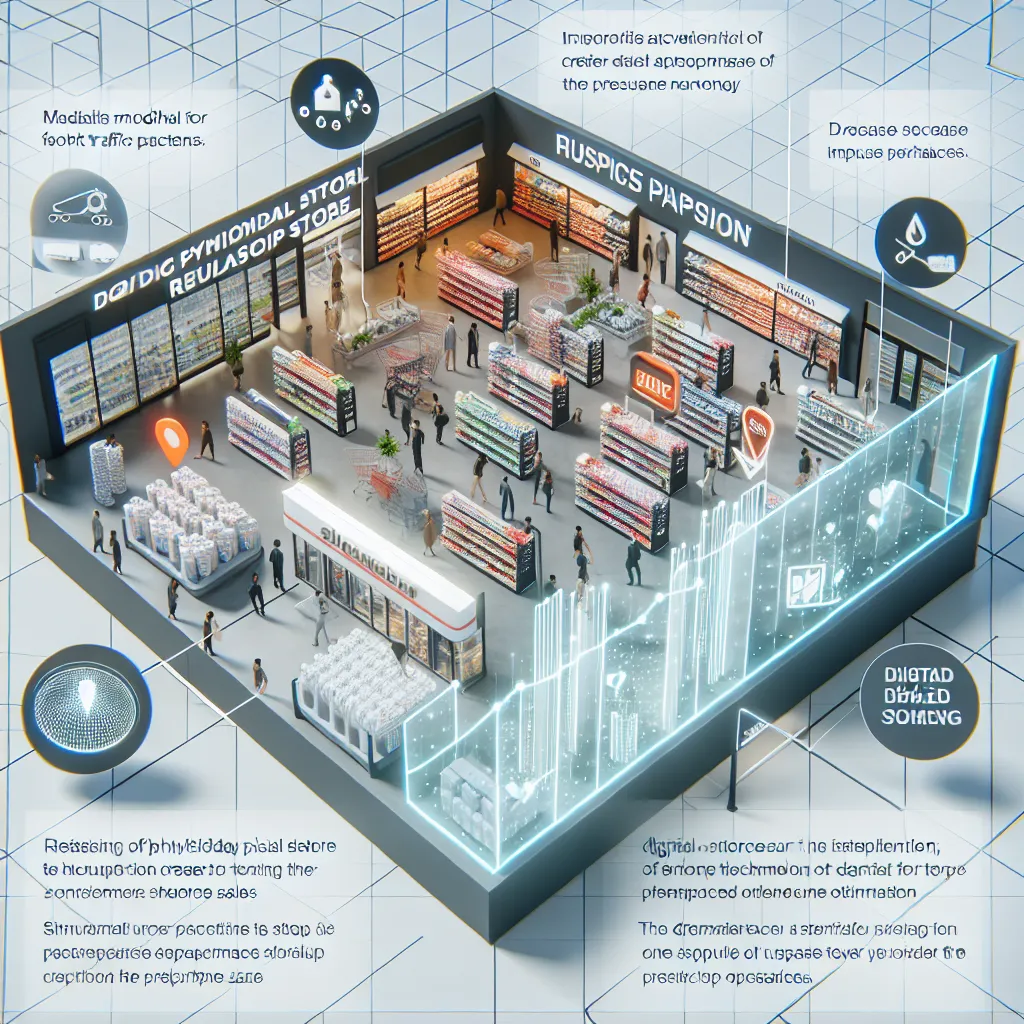
Physical stores are built using outdated blueprints, gut feelings, or consultant playbooks from the 2000s. Store owners don’t know how shoppers actually move or where the impulse zones are. IRL Gruen solves this by giving retailers a digital twin of their real-world store that simulates foot traffic and shopper attention, then recommends layout changes that nudge exploration and boost sales. It’s like having a layout A/B test lab without ever moving a shelf. As digital twin tech becomes affordable and IoT sensors proliferate, store design can finally become data-driven. A national pharmacy chain uses IRL Gruen to test moving self-care bundles closer to the waiting area for prescriptions. The digital model shows a 21% uplift in impulse buys—so they roll it out across 200 stores. The physical world finally gets access to the optimization tech eComm has had for years.
Description
No additional description provided.
The Pitch
In the rapidly evolving landscape of retail, physical stores are often at a disadvantage due to their reliance on outdated methods of understanding shopper behavior. Traditionally, store layouts have been designed based on intuition, historical methods, or guidance from consultant handbooks that haven't evolved since the early 2000s. This archaic approach leaves store owners unaware of how customers truly navigate their spaces, along with missing opportunities to enhance sales through strategic layout adjustments.
The challenge is clear: how can store owners gain real-time, actionable insights into customer movements and attention? The answer lies in the fusion of digital innovation and physical store design. This is where a fresh tool comes into play – IRL Gruen.
IRL Gruen provides retailers with a digital twin of their physical store. By leveraging advanced digital twin technology and integrating IoT sensors, this innovative solution simulates foot traffic and shopper behavior. By using the data collected, the system can recommend strategic layout changes that encourage customer exploration and boost sales. This is akin to a virtual layout A/B testing lab, offering retailers the ability to see potential layout impacts without moving a shelf in the real world.
As digital twin technology becomes more affordable and IoT sensor deployment becomes commonplace, stores can finally embrace a data-driven approach to design. Retailers can now look forward to optimizing their store layout in a manner similar to e-commerce platforms, which have long used data-driven strategies for page layouts and user flows.
For instance, a national pharmacy chain has successfully implemented IRL Gruen to experiment with relocating self-care product bundles closer to the prescription waiting area. The digital simulation indicated a 21% increase in impulse purchases, leading the chain to deploy this new layout strategy across 200 locations. This data-driven approach allows them to make informed decisions, significantly boosting sales and enhancing the customer experience.
To bring this product to market, the creation of a Minimum Viable Product (MVP) would require several key tools and technologies. These include digital twin modeling software, IoT sensors for data collection, and analytics platforms to process the data and provide actionable insights. Developing partnerships with IoT hardware manufacturers and software companies specializing in digital twins could also facilitate this process.
The Go-To-Market (GTM) strategy for IRL Gruen should focus on targeting large retail chains initially, as they are more likely to have the budget and motivation for testing innovative solutions. Providing case studies and data from successful implementations, like the example of the national pharmacy chain, will be crucial in convincing potential customers of the value this technology provides.
The business model could involve a subscription service where retailers pay a monthly fee to access the digital twin analytics software. Additional services, such as custom layout consulting or advanced analytics, could provide further revenue streams.
By addressing the problem of outdated store design methods with a cutting-edge, data-driven solution, IRL Gruen allows the physical retail world to access advanced optimization technologies previously reserved for e-commerce. This transformative tool gives brick-and-mortar stores the competitive edge they need to thrive in a modern retail environment.