Optimizing Hydrogen and AI Compute with Green Power
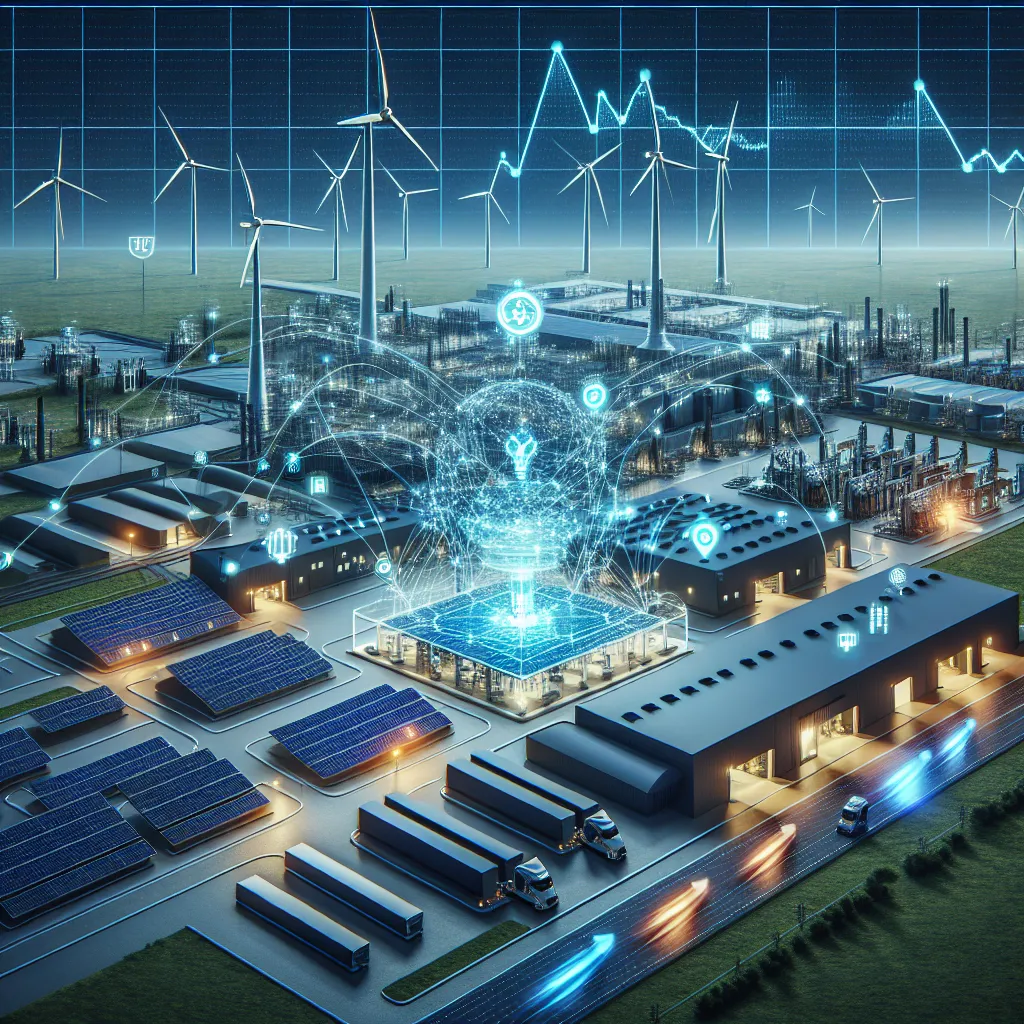
Most green hydrogen systems today are built to run on fixed schedules, even if energy prices spike or carbon intensity is high. That’s a problem: hydrogen production should flex to when surplus clean power is available. Meanwhile, AI compute often runs rigidly, missing cheaper and greener power windows. This startup creates a unified system to schedule both hydrogen electrolysis and AI compute—balancing the two based on energy prices, carbon intensity, and operational needs. It’s built for industrial campuses, ports, or clean-tech parks. The trend? Surging AI energy demand and $9B in U.S. hydrogen subsidies. For example, a logistics company with onsite solar and an electrolyzer could pause hydrogen production when prices spike and instead train models for fleet optimization. This co-optimization doesn’t exist yet—and it could dramatically improve ROI for hybrid energy+compute deployments.
Description
No additional description provided.
The Pitch
At the intersection of energy management and technology optimization lies an innovative opportunity designed to address the inefficiencies prevalent in hydrogen systems and AI computing. In a world rapidly transitioning to cleaner energies and advanced computing capabilities, there is a pronounced need for smarter resource utilization. This opportunity outlines a system that dynamically schedules hydrogen electrolysis and AI compute workloads based on real-time energy prices and carbon intensity, maximizing both economic and environmental benefits.
### Problem Statement
Current hydrogen production systems and AI compute operations operate on inflexible schedules. Most hydrogen systems do not adapt to fluctuating energy costs or carbon intensity, often missing opportunities to operate during periods of surplus clean energy. Similarly, AI computing systems often run continuously without regard to optimal energy windows, potentially increasing operational costs and carbon footprints due to reliance on grid power with higher rates or carbon intensity. This inflexibility leads to increased operational costs and lost opportunities for carbon reduction.
### Innovative Solution
This venture introduces a unified system capable of co-optimizing the schedules of hydrogen electrolysis and AI compute tasks. By leveraging real-time data on energy prices, carbon intensity, and operational requirements, the system dynamically adjusts operations, ensuring that hydrogen production and AI computing are executed during windows of surplus clean energy availability or when energy prices are most favorable.
### Product Details
- **Real-Time Data Integration**: The system incorporates live data feeds for energy prices and carbon intensity, enabling real-time decision-making.
- **Adaptive Scheduling Algorithms**: Employ advanced algorithms that schedule tasks based on energy economics and emission profiles, achieving lower operational costs and reduced carbon emissions.
- **User Interface**: An intuitive dashboard for operators to monitor system performance, adjust parameters, and review historical data.
- **Scalability and Flexibility**: Designed to adapt and scale across varied environments—from industrial campuses and ports to tech parks, accommodating both small and extensive operations.
### Tools for Launching an MVP
1. **Cloud-based Data Platforms**: Utilize services like AWS or Google Cloud for scalable data storage and processing.
2. **AI and Machine Learning Frameworks**: Implement using TensorFlow or PyTorch for developing adaptive scheduling algorithms.
3. **Energy Management APIs**: Integrate with energy market APIs for updated price and carbon intensity data.
4. **Prototype Management Tools**: Use platforms like Figma for UI design and easy product iteration.
5. **IoT Integration**: Employ IoT devices to connect physical infrastructure with real-time data analytics platforms.
### Go-to-Market Strategy
- **Identify Early Adopters**: Target logistics companies, industrial parks, and ports with existing infrastructure for solar power and hydrogen electrolysis.
- **Partnerships**: Develop strategic partnerships with renewable energy providers, AI compute facilities, and industrial equipment manufacturers.
- **Educational Campaigns**: Conduct webinars and workshops to educate potential clients about the financial and environmental benefits of co-optimization.
- **Pilot Programs**: Offer trial runs for key industry players to demonstrate ROI and ease of integration.
### Business Model
- **Subscription-Based Licensing**: Charge a recurring fee for access to the software and updates, scaled based on the size of the operation.
- **Consultancy Services**: Provide consultancy for custom integrations, training, and system optimizations.
- **Performance-Based Models**: Offer pricing tiers with incentives tied to demonstrated savings in energy costs or carbon reduction.
This venture not only aims to spearhead advancements in sustainable hydrogen and compute operations but also taps into the momentum created by significant legislative incentives, such as the nine billion dollars in U.S. hydrogen subsidies. In leveraging technology to align with this market opportunity, the project stands to redefine the operational efficiency of industrial and tech infrastructure.