Optimized Fulfillment for Agent-Driven Commerce
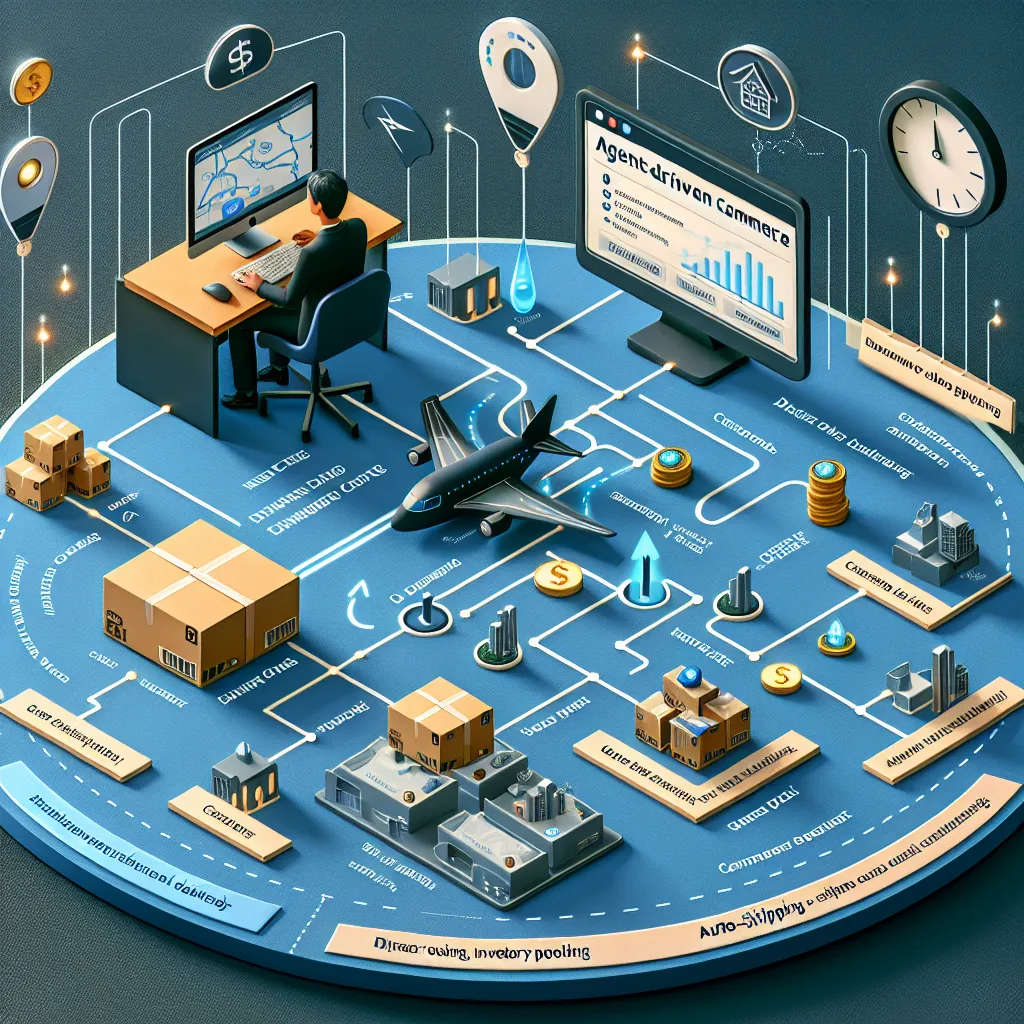
Once an agent buys something, fulfillment still depends on carriers, warehouses, shipping estimates and routing decisions that humans manually choose today. The solution is a logistics layer optimized for agent-driven commerce: dynamic routing, inventory pooling, auto-drop-shipping and carrier switching. Why now: checkout has been innovated to death—the margin war moves to fulfillment. Example: your agent chooses a fulfillment path that is $4 cheaper and 2 days faster by routing through a secondary warehouse instead of the merchant default.
Description
No additional description provided.
The Pitch
In today's fast-paced e-commerce environment, the checkout process has reached its peak efficiency through various innovations. However, fulfillment remains a complex and often inefficient aspect, especially in agent-driven commerce. Here is a strategic outline for building a logistics solution that addresses these challenges, rooted in a detailed backstory, clearly defined problem, innovative solution, product details, available tools for MVP development, a go-to-market strategy, and a viable business model.
Backstory:
The digital shopping landscape has transformed significantly, with agents playing a crucial role in steering purchase decisions and actions. These agents—be they virtual assistants, AI-driven platforms, or traditional sales representatives—have streamlined the frontend experience through personalized discovery and secure transactions. However, after a purchase is made, the fulfillment processes still rely heavily on manual tasks, such as routing choices, inventory management, and shipping decisions, which are often inefficient and outdated.
Problem:
In an agent-driven commerce system, the disconnect arises post-purchase. The tasks of routing shipments, managing inventory across multiple sources, and choosing optimal carriers are manually handled by human operators. This leads to increased costs, longer delivery times, and less flexibility. Such inefficiencies can impact customer satisfaction and loyalty, while businesses struggle with thin profit margins influenced by rising competition.
Solution:
The proposed solution is a logistics layer specifically optimized for agent-driven commerce. This solution leverages advanced technologies and data analytics to address the inefficiencies in the fulfillment process by offering features such as dynamic routing, inventory pooling, auto-drop-shipping, and carrier switching.
- Dynamic Routing: This system automatically determines the most cost-effective and time-efficient routes for shipments, dynamically adjusting to real-time conditions and availability. - Inventory Pooling: A unified view of inventory across multiple warehouses allows agents to utilize the nearest or most appropriate stock location, reducing travel time and costs. - Auto-Drop-Shipping: Automatically selects and executes drop shipping from multiple vendor options, optimizing for speed and cost. - Carrier Switching: Enables seamless switching between carriers based on rates, delivery times, and service quality, ensuring optimal performance.
Why Now:
The fulfillment aspect is the new battleground for improving margins in e-commerce. With checkout processes reaching maturity in terms of innovation, there is a pressing necessity to pivot focus toward optimizing fulfillment to maintain competitiveness and improve profitability.
Product Details:
The logistics platform will integrate with existing e-commerce systems to serve as a back-end powerhouse, enriching any agent-driven transactions with:
- User-friendly dashboards for monitoring logistics operations. - Real-time data analytics to forecast and adjust routes. - API integrations with major carriers and warehouse management systems. - Machine learning algorithms that enhance decision-making and process efficiency over time.
MVP Development Tools:
- Cloud Infrastructure: Platforms like AWS or Google Cloud for scalable and reliable hosting. - Data Analytics: Tools such as Tableau or Power BI for visualization. - API Integration: Use tools like Postman and Swagger for seamless API development and execution. - Machine Learning: Frameworks such as TensorFlow or PyTorch for designing advanced routing and decision-making algorithms.
Go-To-Market Strategy:
1. Target Market: Focus initially on small to medium-sized e-commerce platforms and retailers who can rapidly benefit from improved fulfillment processes. 2. Partnerships: Collaborate with established e-commerce platforms, carrier companies, and logistics providers to ensure seamless integration and widespread adoption. 3. Marketing: Utilize digital marketing strategies, webinars, and case studies to demonstrate the potential cost savings and efficiency gains to prospective clients. 4. Pricing Strategy: Offer subscription-based pricing tiers with the option for a free trial period to encourage platform testing and user acquisition.
Business Model:
The business model will revolve around a SaaS (Software as a Service) approach, with revenue generated through monthly or annual subscriptions. Additional revenue streams could include tiered pricing based on the volume of transactions processed, premium features, or dedicated support packages.
By developing and launching this logistics layer, businesses within the agent-driven commerce space can achieve a competitive edge, gaining both cost efficiency and enhanced delivery performance, ultimately leading to improved customer satisfaction and loyalty.