Optimize Energy Use with Solar-Powered Scheduling
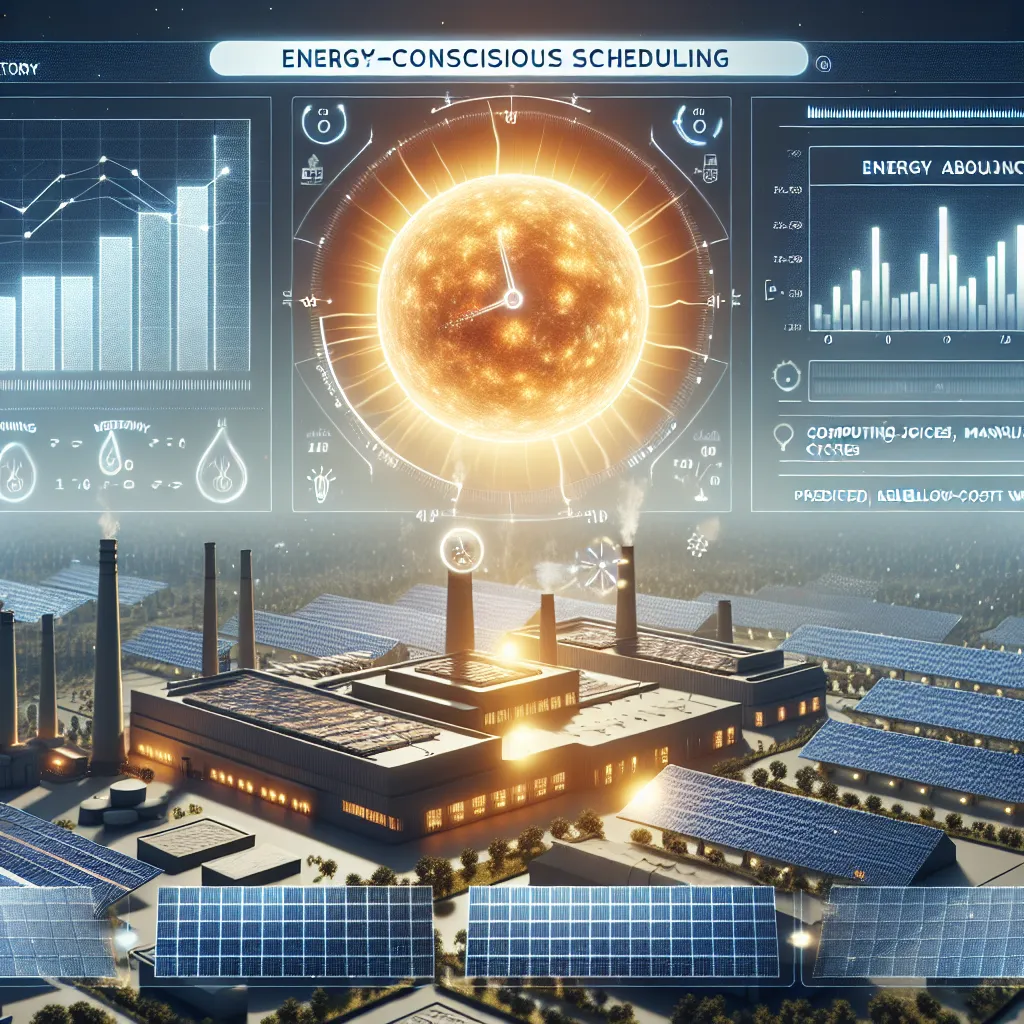
Energy is still priced like a flat utility even as solar creates predictable periods of extreme abundance. An energy-aware scheduling layer can automatically shift compute jobs, manufacturing cycles, or industrial tasks to moments when electricity is cheapest or surplus. This only works now because solar overbuild and forecasting make low-cost windows reliable. A factory could run its most power-intensive processes at midday instead of overnight and materially lower costs without changing output.
Description
No additional description provided.
The Pitch
Addressing the increasing demand for energy efficiency and cost reduction, especially in industries with high energy consumption, presents a significant opportunity for innovation. As renewable energy sources, particularly solar power, become more prevalent, the energy landscape is shifting. Solar power often creates periods of abundant, low-cost electricity. However, many industries still operate on outdated pricing models where energy is perceived as a constant utility. This creates an opportunity for an energy-aware scheduling layer that can strategically optimize energy usage during periods of low-cost electricity availability.
Backstory
With the rise of renewable energy, especially solar, energy markets are experiencing frequent fluctuations in electricity supply and cost. Traditional industrial schedules are not designed to take advantage of this variability. Companies continue to run their most energy-intensive operations regardless of energy supply conditions, missing opportunities to reduce costs and potentially increase their competitive edge. The concept of scheduling industrial and manufacturing processes to coincide with periods of energy abundance could revolutionize cost management in energy-intensive industries.
Problem
1. Energy Cost: The unpredictability and variability in energy costs can impact profit margins, especially in energy-intensive industries. 2. Inflexible Schedules: Traditional operation schedules do not take advantage of energy price fluctuations, leading to inefficiencies. 3. Underutilized Potential: Excess energy production, particularly during peak solar periods, goes underutilized, representing wasted potential savings.
Solution
An energy-aware scheduling platform could integrate with existing industrial operations to dynamically adjust and align manufacturing cycles and compute jobs with periods of excess and lower-cost solar energy. The platform would optimize operations by forecasting energy prices and availability patterns, enabling industries to:
- Predict periods of low-cost energy with high reliability using solar overbuild and advanced forecasting tools. - Adjust operational workflows to utilize low-cost windows without sacrificing productivity. - Reduce overall energy expenditures and lower carbon footprints.
Product Details
1. Predictive Analytics: Utilize machine learning models to predict energy abundance and costs with high accuracy, leveraging past and real-time data. 2. Scheduling Engine: Automatically adjust process schedules in real-time, ensuring alignment with periods of energy surplus. 3. Integration with Industry Systems: Seamlessly connect with existing manufacturing and IT infrastructure for minimal operational disruption. 4. User Interface: Provide a user-friendly interface for managers to oversee and intervene when necessary.
Tools for Easy MVP Launch
- Cloud Platforms: Leverage AWS or Azure to build scalable infrastructure and deploy predictive models. - Machine Learning Frameworks: Use tools like TensorFlow or PyTorch for developing and training energy forecasting models. - API Integration Tools: Implement APIs using tools such as Zapier or MuleSoft to facilitate connectivity with industry systems.
Go-To-Market (GTM) Strategy
1. Target Market: Focus initially on industries with high energy consumption, such as manufacturing, data centers, and logistics. 2. Partnerships: Collaborate with renewable energy providers and technology companies to enhance product features and credibility. 3. Pilot Programs: Launch pilot programs with key industry players to demonstrate cost savings and operational efficiency. 4. Digital Marketing: Use digital channels and targeted content marketing to raise awareness and educate potential customers on benefits. 5. Industry Conferences: Participate in energy and technology conferences to network and showcase the platform’s capabilities.
Business Model
- Subscription: Offer tiered subscription-based services depending on company size and energy usage needs, ensuring flexible pricing. - Consulting Services: Provide integrated consultation for custom setup, tailored to specific energy profiles and operational needs. - Revenue Sharing Models: Implement cost savings sharing agreements to align incentives with client success.
Conclusion
By adopting an energy-aware scheduling platform, industries have the opportunity to reduce costs and improve efficiency through strategic alignment with periods of energy abundance. As solar and renewable energy sources continue to expand, the potential for unlocking significant savings and operational efficiencies becomes increasingly feasible, making this solution a crucial advancement for sustainable industrial growth.
---