Optimize Code for Energy Efficiency
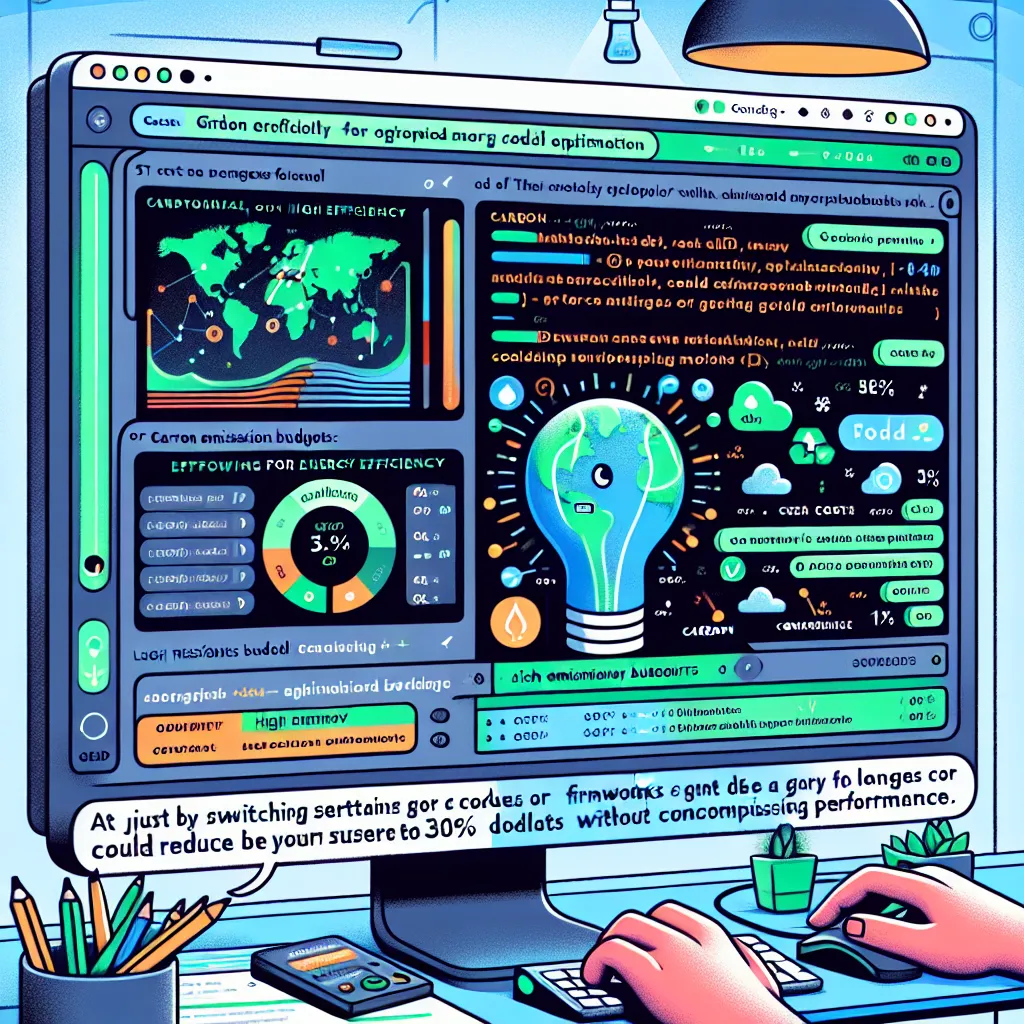
Software developers increasingly care about sustainability, but they have no visibility into how their code choices affect energy consumption—especially for data-heavy tasks like ML training or video processing. GreenCode is a GitHub-native tool that analyzes code for energy efficiency, flags high-impact functions, and suggests greener alternatives (like swapping in faster algorithms or running on lower-carbon cloud regions). It benchmarks projects by estimated carbon footprint and helps teams set emissions budgets alongside cost or performance goals. Tied to Gartner’s Energy-Efficient Computing trend, which urges sustainability in IT, this would become an essential DevOps layer. For example, a team training an LLM model could discover that switching frameworks or cloud zones reduces carbon usage by 30% with no performance hit.
Description
No additional description provided.
The Pitch
In an era where sustainability increasingly shapes business and consumer decision-making, software developers are beginning to consider the environmental impact of their work. The rise of data-heavy computing tasks such as machine learning training, video processing, and extensive cloud services usage poses significant challenges to energy efficiency. Despite the growing concern for sustainability, there currently exists a gap in visibility for developers to understand how their code choices contribute to energy consumption. This is where GreenCode comes into play.
**Problem**
Most developers lack the tools to assess and improve the energy efficiency of their code. In projects involving complex computations and high data throughput, developers often focus on optimizing for performance and cost, inadvertently overlooking carbon emissions. The absence of clear benchmarks and actionable insights results in overlooked opportunities to reduce energy consumption, especially in cloud-heavy environments.
**Solution**
GreenCode addresses this problem by offering a seamless, GitHub-integrated tool that evaluates code for energy efficiency. By analyzing the codebase, it flags functions and operations that are energy-intensive and provides smarter, greener alternatives. These can include algorithm improvements or suggestions for using cloud services running in lower-carbon regions. By quantifying the environmental impact, GreenCode empowers teams to set emissions budgets in tandem with traditional performance and cost benchmarks.
**Product Details**
- **Code Analysis**: Analyzes code to identify functions with high energy consumption. - **Sustainable Recommendations**: Suggests greener alternatives like efficient algorithms or optimized cloud resource allocation. - **Footprint Benchmarking**: Estimates carbon footprint and can benchmark projects to provide visibility into ecological impact. - **Emissions Goals**: Enables teams to set and track emissions goals, aligning them with cost and performance objectives. - **Cloud Optimization**: Offers insights on running processes in geographically greener cloud zones.
**Tools for MVP and Launch**
To swiftly develop and launch GreenCode as a minimum viable product (MVP), the following tools and technologies can be utilized:
- **GitHub APIs**: To seamlessly integrate with developers' existing workflows. - **Code Analytics Tools**: Use of static analysis tools to inspect codebase for energy-heavy code patterns. - **Cloud Platforms**: Partnerships with cloud providers to offer insights on energy-efficient usage. - **DevOps Pipelines**: Integration with existing CI/CD tools to automate energy consumption feedback.
**Go-to-Market Strategy**
1. **Targeted Outreach**: Focus initial efforts on tech companies with sustainability mandates, especially those engaged in data-intensive operations like AI, gaming, and streaming services. 2. **Partnerships and Alliances**: Forge partnerships with cloud service providers and sustainability advocates (e.g., organizations promoting green computing standards). 3. **Community Engagement**: Leverage technology communities, blogs, and forums to raise awareness about code energy efficiency. 4. **Thought Leadership**: Publish whitepapers and case studies demonstrating specific instances where GreenCode provided measurable energy savings.
**Business Model**
GreenCode will primarily operate on a subscription model, targeting both small and large enterprises:
- **Tiered Pricing Plans**: Based on team size and feature access, from basic analytics to comprehensive sustainability insights. - **Enterprise Solutions**: Customizable solutions for larger organizations with specific sustainability requirements and integrations. - **Freemium Model**: Basic energy analysis features offered for free to seed initial adoption, with advanced features behind a paywall.
By setting itself as a critical DevOps layer focusing on sustainability, GreenCode is well-positioned to become an essential tool for environmentally conscious development teams. As organizations increasingly align with sustainability trends like Gartner's Energy-Efficient Computing, GreenCode offers both a timely and impactful solution.