Onchain Treasury Optimization for DAOs and Protocols
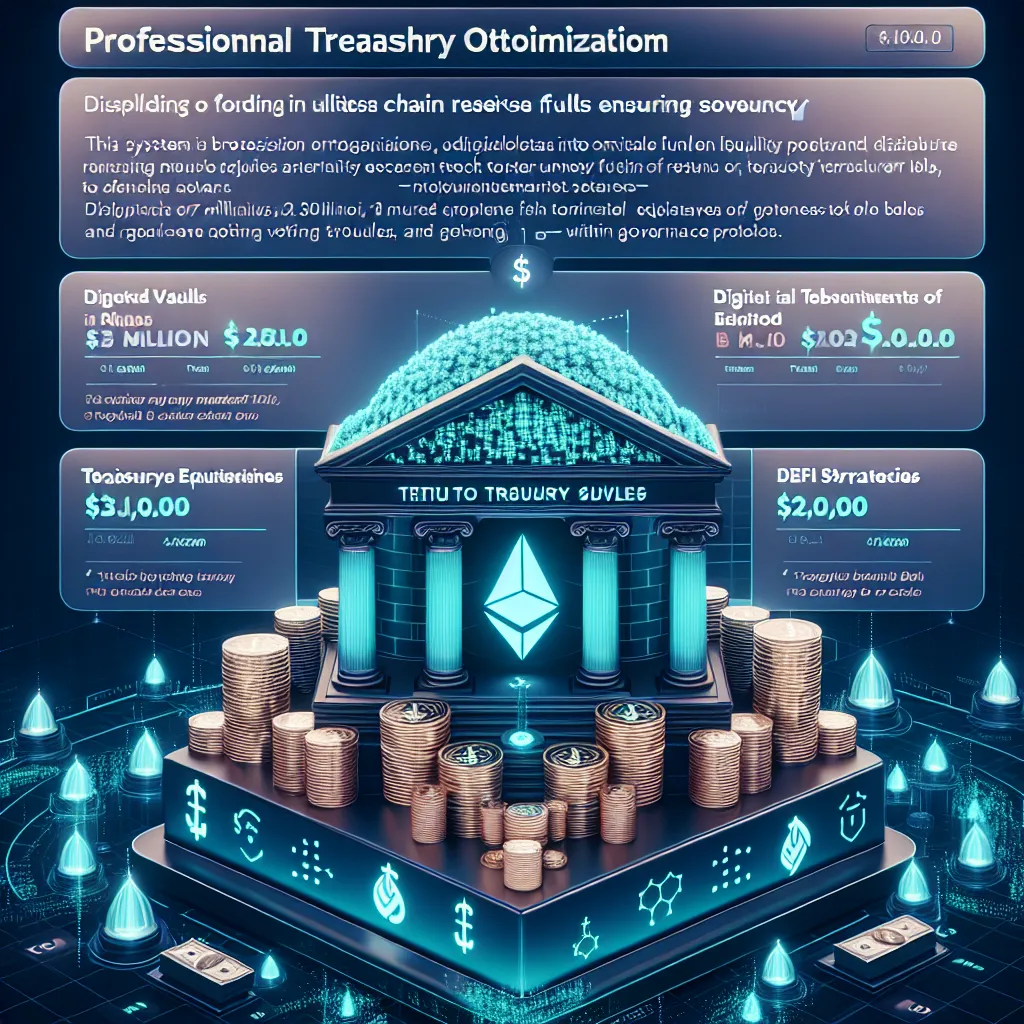
DAOs and protocols hold millions in stablecoins across treasuries, often passively earning 0%. This startup is a treasury optimization engine purpose-built for onchain orgs. It monitors multi-chain reserves, evaluates risk/yield trade-offs, and routes excess funds into short-duration vaults, tokenized T-bills, or DeFi strategies—all with governance guardrails. “maintaining the peg depends on solvency... professional reserve management is the bare minimum.” This tool becomes that professional manager—automated and auditable. For example, a DAO holding $10M in USDC could auto-deploy $3M into short-term ETH/USDC LPs and $2M into tokenized MMFs like BUIDL, based on real-time vote thresholds and safety scores.
Description
No additional description provided.
The Pitch
In recent years, decentralized autonomous organizations (DAOs) and various blockchain protocols have become significant players within the financial landscape. These entities collectively manage millions in stablecoin reserves within their treasuries. However, much of these funds often sit idle, generating little to no returns. As the ecosystem continues to mature, the importance of effective treasury management is becoming increasingly apparent.
Problem
The main issue faced by DAOs and similar entities is the passive nature of their treasury management. Most often, treasuries hold substantial amounts in stablecoins without actively optimizing these reserves for better returns. This stagnation can lead to missed opportunities for maximizing the potential of their assets. Given the fluctuating nature of the crypto market and the need for maintaining solvency and stability, relying on passive strategies is no longer feasible. Efficient management is crucial to safeguarding and growing these funds responsibly.
Solution
The proposed solution is a treasury optimization engine explicitly designed for on-chain organizations. This tool actively monitors reserves spread across multiple chains and dynamically evaluates risk and yield trade-offs. It allows DAOs and protocols to enhance the value of their excess funds by routing them into short-duration vaults, tokenized treasury bills, or decentralized finance (DeFi) strategies. The entire process is governed by strict governance guardrails, ensuring transparency and compliance with organizational guidelines.
Product Details
The treasury optimization engine operates as an automated and auditable manager for these digital reserves. It enables organizations to preset governance parameters, such as real-time voting thresholds and safety scores, thereby allowing the tool to make informed decisions on deploying funds. For instance, a DAO with $10 million in USDC might opt to allocate $3 million into short-term Ethereum/USDC liquidity pools and $2 million into tokenized money market funds like BUIDL. This strategy aligns with their risk profile and yield expectations.
Tools for Launching MVP
To build a minimum viable product (MVP), several tools and technologies can facilitate the development process:
1. Blockchain Platforms: Utilize Ethereum or Binance Smart Chain for smart contract deployment. 2. Smart Contract Languages: Leverage Solidity or Vyper to code the treasury management protocols. 3. Oracle Services: Integrate Chainlink or Band Protocol to ensure accurate and real-time data feeds. 4. Frontend Frameworks: Employ React or Angular for a user-friendly interface. 5. Back-end Infrastructure: Use AWS or Google Cloud for scalable data processing and storage.
Go-To-Market Strategy
1. Target Audience: Focus on DAOs and blockchain protocols with substantial treasury reserves and an interest in optimizing asset value. 2. Partnerships: Collaborate with established blockchain platforms and DeFi projects to increase credibility and broaden reach. 3. Educational Content: Create webinars, guides, and case studies demonstrating the benefits and efficiency of the optimization engine. 4. Community Engagement: Leverage platforms like Discord and Telegram to engage with potential users and gather feedback. 5. Pilot Programs: Offer pilot schemes to select organizations to showcase real-world applications and success stories.
Business Model
1. Subscription Fees: Charge a monthly or annual fee based on the size of the treasury being managed. 2. Performance-Based Commissions: Implement a commission structure based on the yield generated from optimized assets. 3. Premium Features: Offer advanced analytics and customized strategies as premium services for additional fees. 4. Open-Source Options: Provide basic functionalities for free as an open-source alternative to attract early-stage projects.
By adopting this systematic approach, the treasury optimization engine could transform how on-chain organizations manage their reserves, leading to more dynamic and profitable treasury management strategies that align with their broader operational goals.