On-Demand Marketplace for Local Live Performers
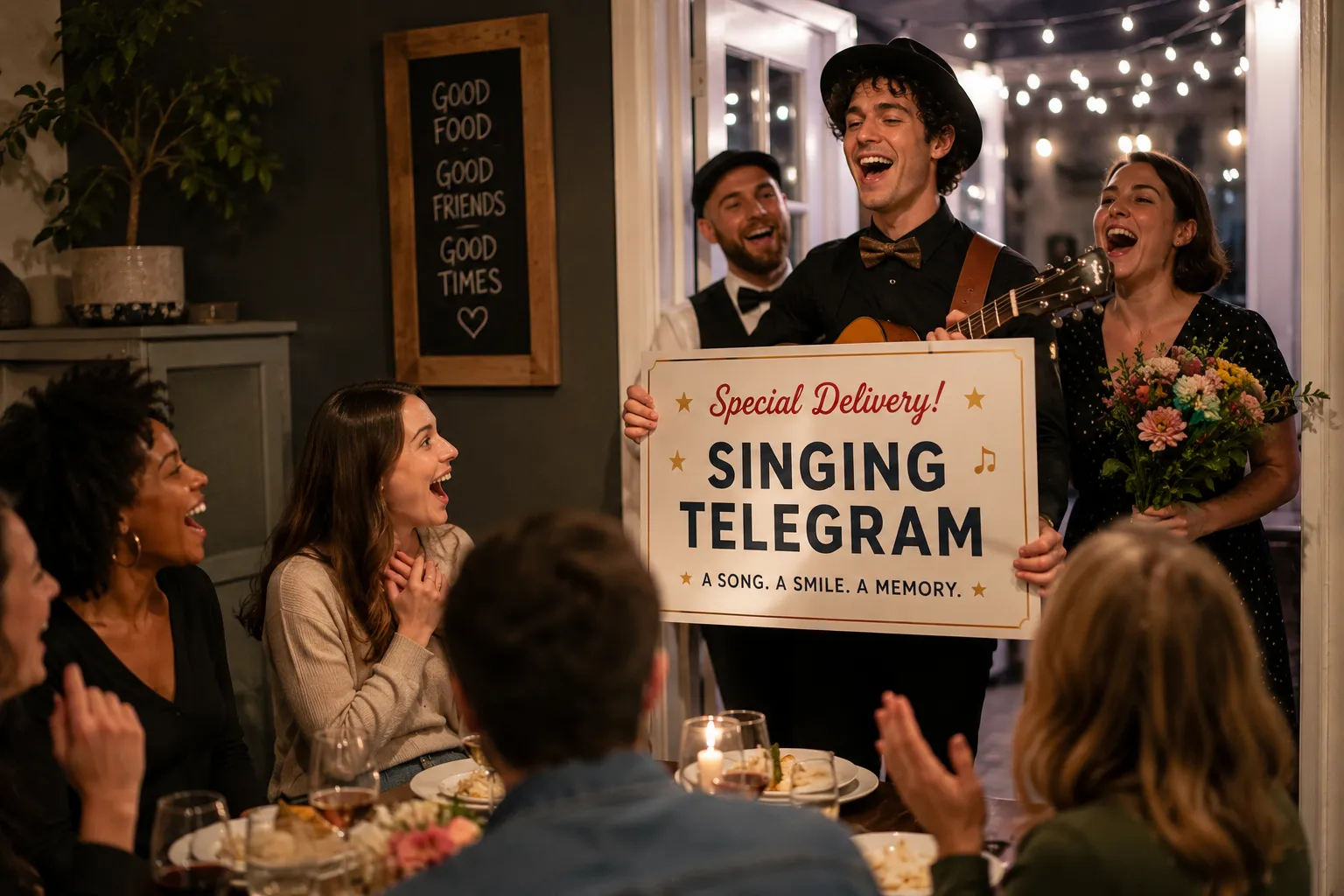
Traditional live entertainment is difficult to book, expensive, and usually requires planning weeks or months in advance. At the same time, thousands of musicians, improv performers, actors, and performers are constantly looking for opportunities to perform in front of real audiences. A marketplace for on-demand live performers connects people hosting parties, weddings, restaurants, birthdays, and corporate events with local entertainers who can show up within hours—or even minutes—to create personalized performances. More premium experiences could include performers blending into an event before surprising guests with a custom song built around stories they gathered throughout the night. As gig marketplaces continue expanding and AI makes scheduling, routing, and performer matching easier than ever, it's becoming possible to treat live entertainment the same way Uber transformed transportation. Imagine hosting a birthday dinner and, thirty minutes later, an improv musician arrives, learns everyone's names, and performs a hilarious song about the group's inside jokes before disappearing into the night.
Description
No additional description provided.
The Pitch
A business like this would be compelling because it turns live performance from a planned luxury into an emotional impulse purchase. Most entertainment spending is trapped inside scheduled occasions, but the desire for surprise, delight, and social texture often appears in the moment. The interesting shift is not simply faster booking; it is moving performance into the same psychological category as ordering flowers, dessert, or a car ride. When the friction collapses, live entertainment stops being an event category and becomes a way to change the energy of a room.
The supply side is unusually well suited to this because performers are not just underutilized workers; they are people whose value increases with repetition, audience feedback, and exposure. A driver’s extra hour is mostly interchangeable, but a comedian, singer, magician, or actor can get better, build a following, and develop repeatable formats that travel across rooms. That means the marketplace is not merely matching labor to demand. It can become a living catalog of small, local, performative products that improve over time.
The most powerful version of the business would not compete with conventional entertainment agencies. It would create a new layer beneath them: brief, intimate, situational performance. A ten-minute custom song at a dinner party is not a replacement for a wedding band; it is closer to a social stunt, a memory machine, and a status signal all at once. People already spend heavily to make gatherings feel less generic, but most options are passive: decorations, catering, venues, playlists. A human performer changes the story of the night.
There is also a subtle advantage in locality. Most digital entertainment scales by becoming the same everywhere, but this would scale by making each city’s weirdness more visible. The better the network becomes, the more it can surface the opera student, drag performer, jazz trio, close-up magician, Shakespeare actor, or musical improviser who would otherwise be invisible to casual buyers. The marketplace’s inventory is not standardized entertainment; it is latent cultural energy.
The durable business insight is that people do not just pay for performance. They pay for moments that feel authored. In an era where so much content is infinite, cheap, and screen-based, a stranger entering a room and making something unrepeatable for the people inside it may become more valuable, not less.