On-Demand Drone Network for Real-Time Services
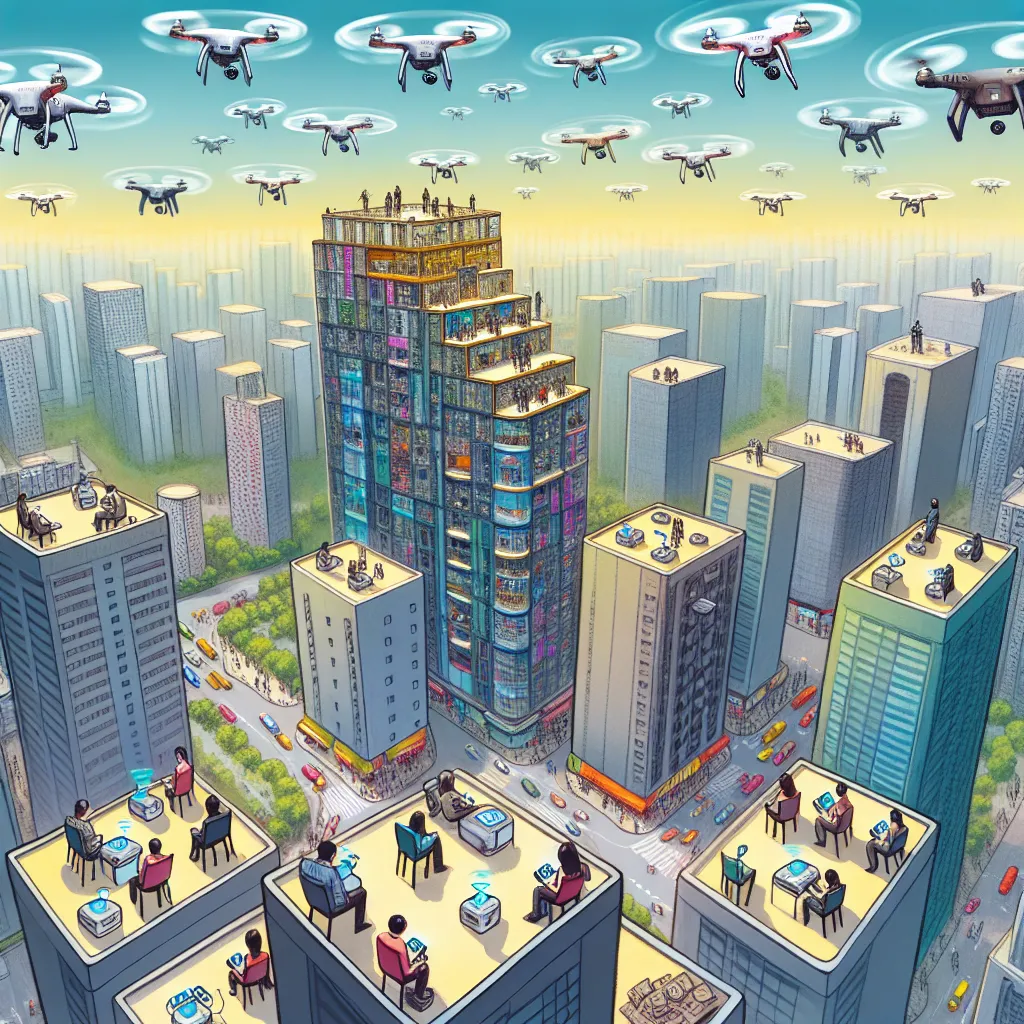
Drones are everywhere—why are they sitting in closets? This platform lets users or cities host “drone-in-a-box” units on rooftops or poles. When someone needs real-time property shots, traffic views, or aerial updates, they summon a drone, and the network delivers. Public responders can use the same drones when idle. You get credits for hosting. Municipalities get better data. The sky gets busy. Uber for drones.
Description
No additional description provided.
The Pitch
The interest in drones has surged in recent years, yet a significant number of these devices are often underutilized, collecting dust in closets rather than capturing valuable data. Recognizing this underutilization, our platform is designed to maximize the productivity of drones by integrating them into a shared network. This initiative not only makes drones more accessible to individuals and businesses but also enhances data availability for municipal purposes. Our goal is to transform how aerial data is accessed and shared through a community-driven platform that benefits all stakeholders.
Backstory
The proliferation of drones in various sectors, from real estate to public safety, hinted at their potential to revolutionize industries. However, the decentralized nature of drone ownership and operation leads to inefficiencies. Drones, capable of collecting real-time data, often sit idle, while potential users face barriers like cost, storage, and technical expertise. This scattered utilization limits the transformational impact drones can have on urban planning, emergency response, and private enterprise.
Problem
1. Idle Assets: A significant number of drones remain inactive, wasting the potential for real-time data collection and operational insights. 2. Accessibility Challenges: Individuals and smaller enterprises face hurdles in owning and operating drones due to high costs and the technical knowledge required. 3. Data Gaps for Municipalities: Cities and towns lack timely and accurate aerial data for effective planning and rapid emergency response. 4. Underutilized Resources: Current setups do not support efficient resource allocation, limiting the potential impact of drone technology on society.
Solution
Our platform introduces a network of drone-in-a-box units strategically stationed on rooftops or utility poles. These units house drones that users can summon in real-time for various applications. Not only does this extend the utility of the devices, but it also creates a dynamic sharing economy that incentivizes participation through credits and data access. By facilitating easy access and operation, the platform aligns with both individual and municipal interests, creating a new ecosystem of aerial data sharing.
Product Details
1. Network of Drone Units: Secure installations at strategic locations, housing drones ready for deployment at a moment's notice. 2. On-Demand Access: Users can request specific services—whether for property imagery, traffic analysis, or emergency updates—through a seamless app interface. 3. Host Incentives: Individuals or businesses hosting drone units earn credits, which can be exchanged for services or further participation. 4. Municipal Benefits: Cities gain access to a robust data stream, enabling more efficient planning and emergency response initiatives. 5. Integrated Ecosystem: Consistently updated platform ensuring smooth operations and ongoing improvements based on user feedback.
Tools for MVP Launch
- Cloud-based Drone Management Software: For scheduling, data collection, and operational oversight. - Mobile Application: User-friendly interface for service requests, payments, and notifications. - Secure Drone Housing Units: Weather-resistant installations with automated drone launching capabilities. - API Integrations: Connecting the platform with existing municipal data systems for seamless collaboration.
GTM Strategy
1. Target Market: Initial focus on metropolitan areas with high demand for real-time aerial data. 2. Partnerships: Collaborate with municipal governments and local businesses for strategic location placement and data sharing agreements. 3. Pilot Programs: Initiate small-scale experiments in key locations to test systems and gather feedback for refinement. 4. Marketing Campaigns: Highlight use cases and success stories to attract new users and hosts, leveraging digital and traditional media. 5. Community Engagement: Foster a community of users and hosts by organizing webinars and workshops on drones' potential benefits.
Business Model
1. Pay-Per-Use: Charge users each time a drone service is requested, with fees based on the nature and scope of the service. 2. Subscription Services: Offer dedicated subscription plans for regular users, providing consistent access to aerial data. 3. Host Incentives: Provide hosts with a share of the revenue generated from their drone units. 4. Municipal Collaboration: Offer tailored data packages for cities and towns, aligning with their specific planning and emergency needs.
Conclusion
Our platform aims to unlock the untapped potential of drones, transforming them from idle gadgets to essential tools for urban development and private enterprise. By creating a shared network of accessible drone units, we are paving the way for an innovative, efficient, and beneficial aerial data ecosystem. In this connected future, everyone's sky is the limit.