On-Demand Co-Manufacturing Platform for Machines
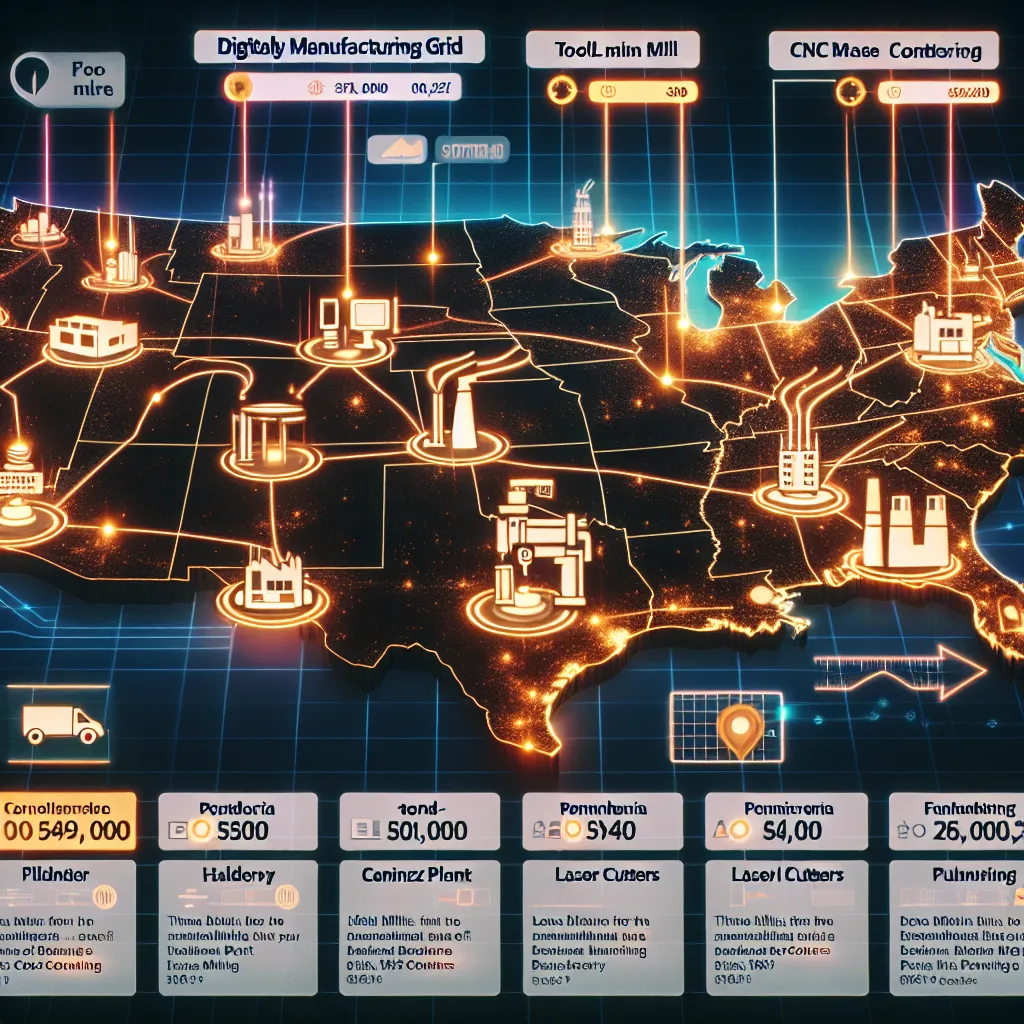
Manufacturers often face unpredictable demand surges but lack the inventory or production bandwidth to respond quickly, leading to lost revenue or expensive delays. Simultaneously, many factories have idle machine capacity during off-peak cycles. This startup enables a “co-manufacturing grid” where regional manufacturers can rent out excess machine time to one another. Think of it as Airbnb for CNC machines or laser cutters — routed via AI to match job specs, materials, and turnaround time. With supply chains under pressure and just-in-time manufacturing models re-emerging, this creates a hyper-flexible alternative to warehousing or outsourcing abroad. A Pennsylvania toolmaker facing a 72-hour deadline could instantly book time on a partner’s idle mill 40 miles away, avoiding overtime costs and preserving client trust. As reshoring gains traction and regional resilience becomes a competitive edge, this platform unlocks local scale on-demand — with no inventory required.
Description
No additional description provided.
The Pitch
Manufacturers today are navigating a landscape characterized by frequent fluctuations in demand. The traditional methods of scaling production up or down can lead to issues such as lost revenue from unmet demand during surges or increased expenses from inefficiencies when demand drops. Moreover, many factories experience periods of downtime where their machinery is underutilized, which represents a missed opportunity for generating revenue.
The industry faces a pressing problem: how to enhance flexibility and responsiveness in production without bearing the costs associated with maintaining excess capacity or inventory. The existing gap presents a significant opportunity for innovation in manufacturing processes and business models.
To address these challenges, a novel approach has been proposed, which involves creating a co-manufacturing grid. This platform allows manufacturers to rent out their idle machine time to others in need, effectively transforming the excess capacity into an asset. Drawing parallels to the Airbnb model but focusing on CNC machines, laser cutters, and similar equipment, the system leverages AI to seamlessly match manufacturing jobs with available resources. This matching takes into account various parameters such as job specifications, required materials, and desired turnaround times.
The proposed platform offers a dynamic solution for manufacturers who need rapid scalability. For instance, a toolmaker in Pennsylvania facing a tight deadline can easily find and book time on a partner's machine located nearby, thereby avoiding the costs associated with overtime or delayed delivery. In addition, this approach fosters local collaboration and resilience, as manufacturers can tap into a network of nearby partners rather than relying on distant suppliers or warehousing.
Key details of the proposed product include: 1. A central online platform where manufacturers can list available machine time. 2. AI algorithms for optimal job-resource matching. 3. Secure payment and contract management for transactions between parties. 4. Data analytics to provide insights and optimize future operations.
For those interested in building this Minimum Viable Product (MVP), several tools can facilitate the development process. These include cloud-based platforms for hosting the application, machine learning frameworks for building the AI matching system, and payment processors for handling transactions. Consider using AWS or Azure for cloud infrastructure, TensorFlow or PyTorch for AI development, and Stripe or PayPal for secure payments.
The Go-To-Market (GTM) strategy should focus on targeting small to medium-sized manufacturers initially, as they often have less capacity to absorb demand fluctuations compared to larger operations. Building partnerships with industry associations and local manufacturing networks can help quickly build a user base. Demonstrations and pilots in key industrial regions will also be integral to showing the tangible benefits of the platform.
The business model will be based on transaction fees extracted from each successful machine time rental. A subscription model could also be introduced for premium features such as enhanced analytics or priority support. Eventually, there is potential for additional revenue streams through partnerships with equipment suppliers or maintenance service providers.
By connecting manufacturers and facilitating the sharing of resources, this platform aims to create a more agile, efficient, and resilient manufacturing ecosystem that is well-equipped to thrive in an era of volatile demand and reconfiguring supply chains.